REVIEW · ST GEORGE
Astronomy and Stargazing Tour in Utah
Book on Viator →Operated by Dark Skies Astronomy Tours · Bookable on Viator
If you like questions, this tour answers them fast. The setup is simple: you head to a chosen dark-sky spot near St George, settle in, and get guided through the sky with powerful telescopes and sky lore that stays understandable. You start with brighter targets you can pick out quickly, then slide into fainter sights like galaxies and nebulae that most people never get to see this clearly.
Two things I really like: the pacing (bright objects first, then you earn the faint stuff) and the way the guide mixes story with practical observing. One thing to keep in mind is weather. The experience depends on a clear night, so cloud cover can be a speed bump.
In This Review
- Stargazing highlights you should expect
- Key things that make this stargazing tour work
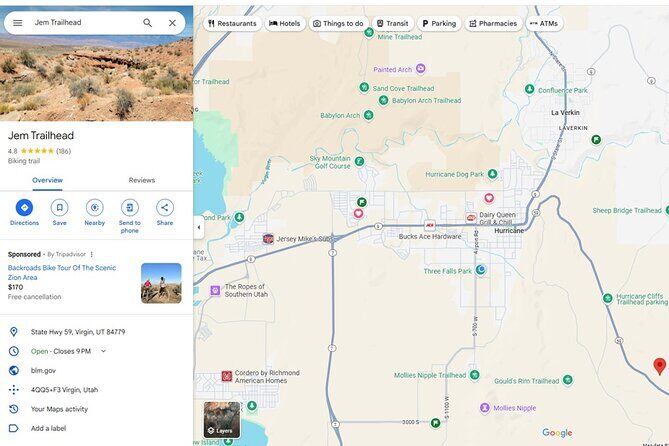
- Getting to the start: Jem Trailhead and why it matters
- The 90-minute plan: how the night unfolds
- First views: Moon, Saturn, and the bright sky you can trust
- Constellations with stories that actually help
- The telescope experience: seeing galaxies and nebulae
- Comfort in the cold: a cozy setup for beginners and repeat skywatchers
- Cloud cover and patience: what to do if the sky looks iffy
- Value check: is $80 for 90 minutes worth it?
- Who should book this stargazing tour (and who might not)
- A note on guides: what makes the coaching feel good
- Should you book Dark Skies Astronomy Tours from St George?
- FAQ
- Where does the astronomy tour start?
- How long is the stargazing experience?
- How much does the tour cost?
- What language is the tour offered in?
- What happens if the weather is poor?
- Is this a private tour, and are service animals allowed?
Stargazing highlights you should expect
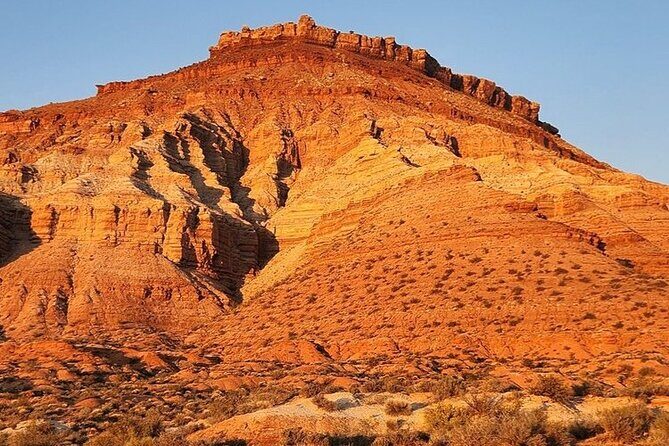
This is a 90-minute stargazing tour run by Dark Skies Astronomy Tours, based in the St George area, starting at Jem Trailhead off State Hwy 59 near Virgin, Utah. It’s offered in English and uses a mobile ticket, so you can show up with minimal fuss. Also, it’s private—only your group goes out—so you can ask more questions without feeling like you’re sharing airtime.
If you’re booking soon, aim for about a month ahead. On average, this one gets reserved 32 days out, and dark-sky tours are popular when people want something different than the usual daylight sightseeing.
Key things that make this stargazing tour work

- A smart 90-minute flow: bright planets and the Moon first, then constellations, then faint deep-sky targets
- Telescopes plus teaching: you’re not just looking; you’re guided on what you’re seeing
- Dark-sky locations near St George: the goal is a sky that actually lets stars and nebulae show up
- Private group format: only your group participates, which makes questions easier
- Weather-dependent observing: cloud cover can affect what you see, but a good night usually pays off
You can also read our reviews of more tours and experiences in St George.



Getting to the start: Jem Trailhead and why it matters
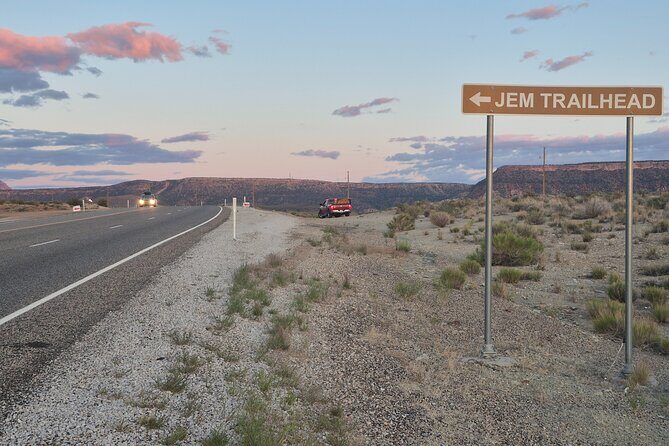
The tour’s meeting point is Jem Trailhead on State Hwy 59 in Virgin, UT 84779. That matters because stargazing isn’t only about the telescope. It’s about getting away from city light spill and into a place where the night sky stays dark enough for faint objects to pop.
In practice, that means you should plan on a short drive with a calm mindset. You don’t need fancy logistics, but you do need to arrive on time so you can start observing while the sky is stable. If you’re staying around St George, give yourself extra buffer—night driving is no one’s favorite hobby, even when the drive is straightforward.
The 90-minute plan: how the night unfolds
This tour runs about 1 hour 30 minutes. That time window is short enough to stay exciting, but long enough for a real arc: you’ll begin with bright and easy wins, then you’ll build confidence and move toward harder targets.
A typical arc goes like this:
1) Bright celestial neighbors (the Moon, Saturn, or a giant star-type target) so you can orient your eyes and the telescope.
2) Constellation tracing with sky stories and practical meaning—ancient navigation meets what the modern sky map tells you.
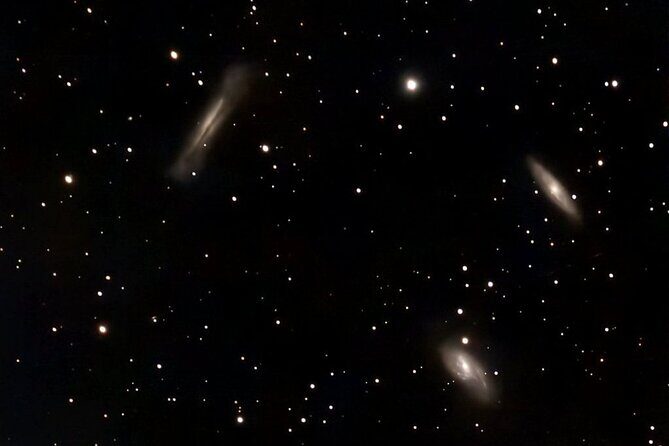
3) A deeper look with telescopes at faint objects such as galaxies and glowing nebulae, the kind you usually only see in long-exposure photos.
You’ll feel the shift as the session goes on. Early on you learn the equipment and the sky logic. Later, you’re doing real observing, not just listening.
First views: Moon, Saturn, and the bright sky you can trust
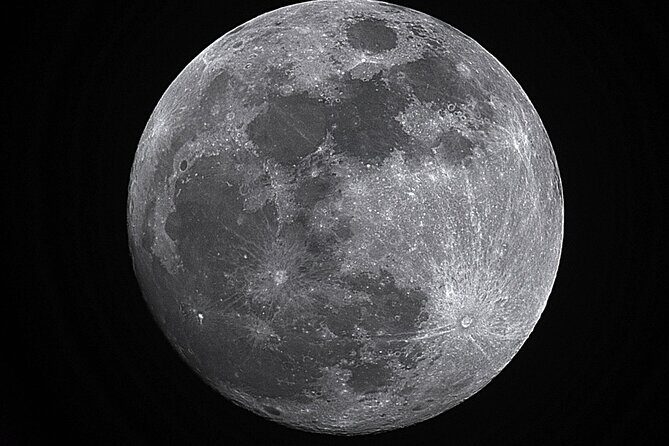
One of the smartest moves on this tour is starting with things you can recognize quickly. They begin with bright targets such as the Moon or Saturn. That early stage helps your eyes adjust, and it gives you a mental map. Once you can find one reliable object, the rest of the sky stops feeling like chaos.
If the session hits a great night, these bright targets are your anchor. You can see structure rather than just points of light. And even if you’ve never used a telescope before, you’ll get a fast win that makes the later faint objects feel more achievable.
This is also where the guide’s teaching style earns points. You’re not left guessing what to do. You’re guided toward seeing specific features, and you learn what to look for instead of just staring until something appears.
Constellations with stories that actually help
After the early look, you’ll move into constellations and sky lore. The guiding approach is part science, part storytelling—and that combo matters. Stories give you a hook, but the practical side helps you keep the sky from turning into one big blur.
The tour connects constellations to how people used the sky to navigate across oceans and deserts. That context helps you understand why these patterns mattered long before apps and GPS. It also turns constellations into something you can remember, which is the difference between seeing a pattern once and recognizing it next time you’re outside.
And because you’re doing this in the dark with guidance, you’ll learn the basics of sky-reading faster than you would from a chart alone. The guide’s job is to help you go from, I see stars, to I see a shape with a purpose.


The telescope experience: seeing galaxies and nebulae
When the tour shifts into deeper sky targets, it’s where the night feels like it changes gear. The description you’ll get is clear: you’ll use powerful telescopes to reveal faint galaxies and glowing nebulae you likely haven’t seen with your own eyes.
Here’s the practical payoff for you: faint objects don’t show up well if you’re rushing or if your expectations are set only by smartphone photos. A telescope session teaches patience. You learn to let your eyes and the optics do their jobs. You also learn the value of small adjustments—moving from a vague smear of light to a specific patch the guide points out.
This part of the tour is also a good reality check. You may have seen dramatic astrophotography online, but this is about what you can actually perceive in real time. That’s often more satisfying than chasing a perfect photo look.
Comfort in the cold: a cozy setup for beginners and repeat skywatchers
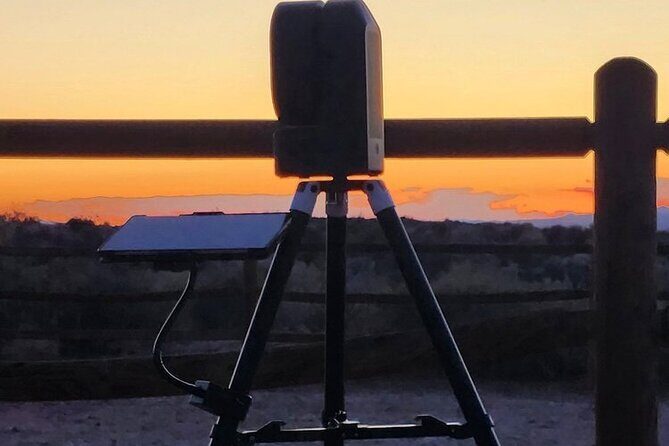
The tour includes seating, with you settling into chairs as the session progresses. That’s a big deal for night observing. Your body can handle a lot during the day, but cold, stiff legs, and short attention spans are what ruin many astronomy outings.
A comfortable setup helps you focus on the sky instead of your gear or your discomfort. It also makes the tour more approachable if this is your first stargazing experience. At the same time, experienced skywatchers can still enjoy it because you’re not being treated like a total beginner. You’re building a guided observing rhythm from bright objects to faint targets.
If you’re the type who asks questions, a private group format helps. Only your group participates, so you’re not competing for the guide’s attention.
Cloud cover and patience: what to do if the sky looks iffy
Weather is the big variable. The experience requires good weather, and if the tour needs to be canceled due to poor weather, you’ll be offered another date or a full refund. That doesn’t mean you should panic if clouds appear. It means you should plan to wait and stay flexible.
One review highlight was exactly this situation: a cloud-cover worry turned into a good outcome after patience. So if the sky starts out gray or hazy, give it time before you conclude the night is lost. In many cases, clouds shift. Also, astronomy guides tend to work around what the sky allows, focusing on what’s visible and saving the deeper targets for when conditions improve.
Your best move? Dress for chilly weather anyway. Bring layers so you can stay comfortable while you wait for the sky to clear.
Value check: is $80 for 90 minutes worth it?
At $80.00 per person for about 1.5 hours, this isn’t a budget activity. But value in stargazing isn’t only price per minute. It’s what you gain: access to dark-sky areas, guided telescope observing, and teaching that helps you understand what you’re seeing instead of just looking at random dots.
Here’s how I judge it:
- If you have never used a telescope, the learning curve is steep. Having a guide helps you see more in a shorter time.
- If you’ve tried stargazing on your own, you know how quickly it turns into guesswork. This removes the guesswork and gives you targets in sequence.
- If you can only spare a short window, a 90-minute guided tour is easier than planning your own night trip, chasing darker skies, and figuring out what to point at first.
For many people, the private-group element boosts the value because you get more personal attention. It’s also offered in English and uses a mobile ticket, which keeps the whole experience straightforward.
If you want a cheap thrill, you’ll probably find alternatives. If you want a real astronomy night with a clear learning payoff, $80 can make sense.
Who should book this stargazing tour (and who might not)
This tour fits best if you fall into one of these groups:
- You want to learn the sky without having to study a sky map for weeks.
- You’re visiting the St George area and want an evening activity that feels different from daytime sightseeing.
- You’re traveling with a group and you like the idea of a private format where your questions get answered.
It may be less satisfying if you’re expecting a guaranteed show no matter what the weather does. Because the tour requires good conditions, you should be comfortable with the idea of rescheduling or shifting expectations on a cloudy night.
Also, if you hate waiting outside in the dark for any reason, you’ll need to be honest with yourself. Astronomy is a “watch, wait, adjust” activity. The tour does a good job with comfort, but it still runs on time outdoors.
A note on guides: what makes the coaching feel good
The experience is powered by the guide’s ability to translate the sky. In the reviews you’ll hear about Jen as an amazing and informative guide. That lines up with what you want in this setting: someone who can explain what you’re seeing, calm your concerns about weather, and keep the group engaged while you observe.
So if you’re booking, here’s my practical advice: come with curiosity. Ask what you’re looking for. If you get a guide like Jen, you’ll likely find the session not only educational but also emotionally rewarding. Seeing the sky clearly with guidance can make the whole night feel bigger than the place you’re standing.
Should you book Dark Skies Astronomy Tours from St George?
I think this is a strong choice if you want a guided, telescope-based dark-sky stargazing experience that teaches you as it goes. The pacing from bright targets to faint galaxies and nebulae is exactly what helps most people see more, understand more, and remember more.
Book it if:
- You’re okay with weather-driven scheduling and you’ll dress for the outdoors.
- You want a simple evening plan with a clear structure.
- You like hands-on learning instead of just watching.
Skip it or reconsider if:
- You need a sure thing on a specific night regardless of clouds.
- You don’t like standing or sitting outside while conditions change.
If the sky cooperates, you’re in for a very satisfying 90 minutes where the universe doesn’t feel like a lecture. It feels like a view.
FAQ
Where does the astronomy tour start?
The tour starts at Jem Trailhead on State Hwy 59, Virgin, UT 84779, USA, and it ends back at the meeting point.
How long is the stargazing experience?
It lasts about 1 hour 30 minutes.
How much does the tour cost?
The price is $80.00 per person.
What language is the tour offered in?
The tour is offered in English.
What happens if the weather is poor?
This experience requires good weather. If it’s canceled due to poor weather, you’ll be offered a different date or a full refund.
Is this a private tour, and are service animals allowed?
Yes, it’s a private tour/activity, so only your group will participate. Service animals are allowed.
If you want, tell me your travel month and whether you’re driving from St George or staying closer to Virgin, and I’ll suggest a sensible arrival window and what to pack for a comfortable night out.