REVIEW · LAS VEGAS
Las Vegas: 18b Arts District Walking Adventure
Book on GetYourGuide →Operated by Very Very Vegas · Bookable on GetYourGuide
Downtown Vegas gets real creative. This 18b Arts District walking adventure takes you away from casinos and into working galleries, public sculptures, and street-art alleyways led by Las Vegas native Brian Paco Alvarez. You’ll meet that arts-community energy up close, starting and ending at the Arts Factory on Charleston Blvd.
I love how Paco connects what you’re seeing to what the neighborhood has been through and how it’s changing now. I also love that you don’t just look at art from the sidewalk—you visit artist studios and you may even get a chance to meet artists in person. The main thing to consider is the tour is on foot and Vegas weather can be intense, so you’ll want water, a hat, and comfy shoes.
In This Review
- Key highlights you’ll actually care about
- Downtown’s Arts Factory: where the tour starts and sets the tone
- Who Brian “Paco” Alvarez is, and why his perspective changes everything
- Sculpture stop: Radial Symmetry and Snowball the Cat
- Alleyways and street art: the part that turns a walk into an experience
- Recycled Propaganda gallery: street art in a more formal setting
- Inside the galleries and artist studios where work is actually happening
- Historic buildings and architecture: how the district keeps its memory
- Shopping stops, bars, and a practical break (food and drinks are up to you)
- Price and time: is $65 worth it for a 2-hour walk?
- What to wear and bring so the walk feels easy
- Who this tour is best for
- Should you book this Arts District walking adventure?
- FAQ
- Where does the tour start and end?
- How long is the tour?
- How much does it cost?
- How far do you walk?
- Who guides the tour?
- What public art pieces are included?
- Do you visit galleries and artist studios?
- Is food included?
- What should I bring?
- Are pets allowed?
Key highlights you’ll actually care about
- Real local guide energy: Brian Paco Alvarez blends street-art insight with neighborhood history.
- Public sculptures with names and meaning: including Radial Symmetry by Luis Varela-Rico and Snowball the Cat by Jesse Carson Smigle.
- Alleyways built for photos: graffiti and street art that turn short walks into mini art shows.
- Recycled Propaganda street-art gallery stop: a dedicated place to see street art in a gallery-style setting.
- Inside the work: galleries and artist studios, plus a possible artist meet-and-greet.
- A simple route: about a mile round trip, with restrooms and refreshment stops along the way.
Downtown’s Arts Factory: where the tour starts and sets the tone
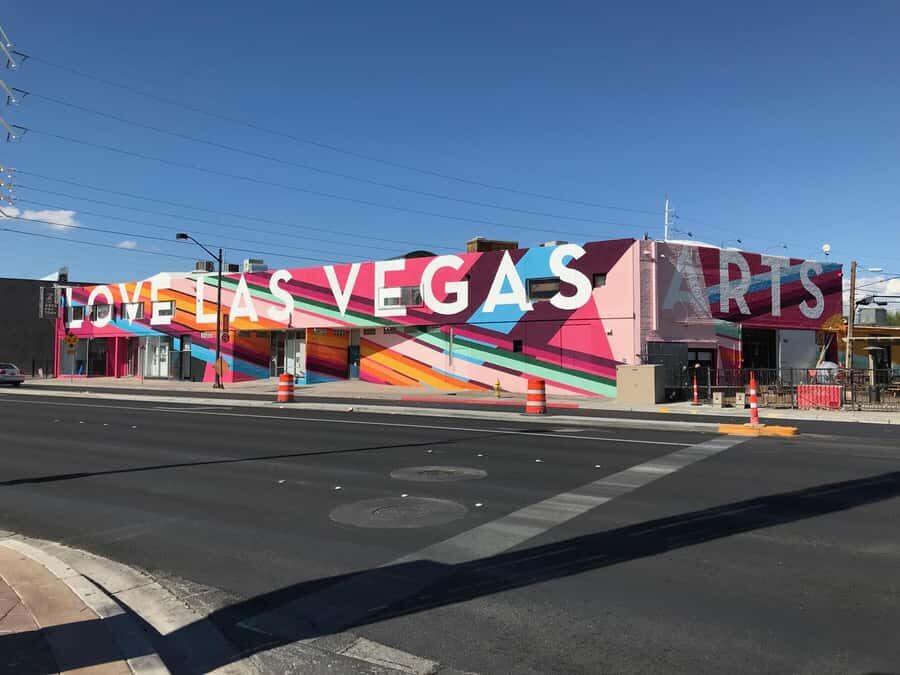
Most Las Vegas sightseeing is loud on purpose. This tour starts somewhere quieter—at the Arts Factory at 107 E Charleston Blvd—and that shift matters.
From the start, you’re in the right frame of mind. You’re not hunting for a single landmark; you’re entering a creative district where people work, build, and display art. The meeting point is behind the Arts Factory on Boulder Ave, and the tour ends back there too, which makes planning easy at the end of a busy day.
You’ll also feel that the tour is built around walking pace and conversation. It’s only 2 hours, and the route is about a mile round trip, so it’s doable even if you’re not a long-distance walker. The flip side is that there’s less time to linger everywhere, so you’ll want to bring your curiosity and choose what to spend extra minutes on when something really pulls you in.
You can also read our reviews of more walking tours in Las Vegas


Who Brian “Paco” Alvarez is, and why his perspective changes everything
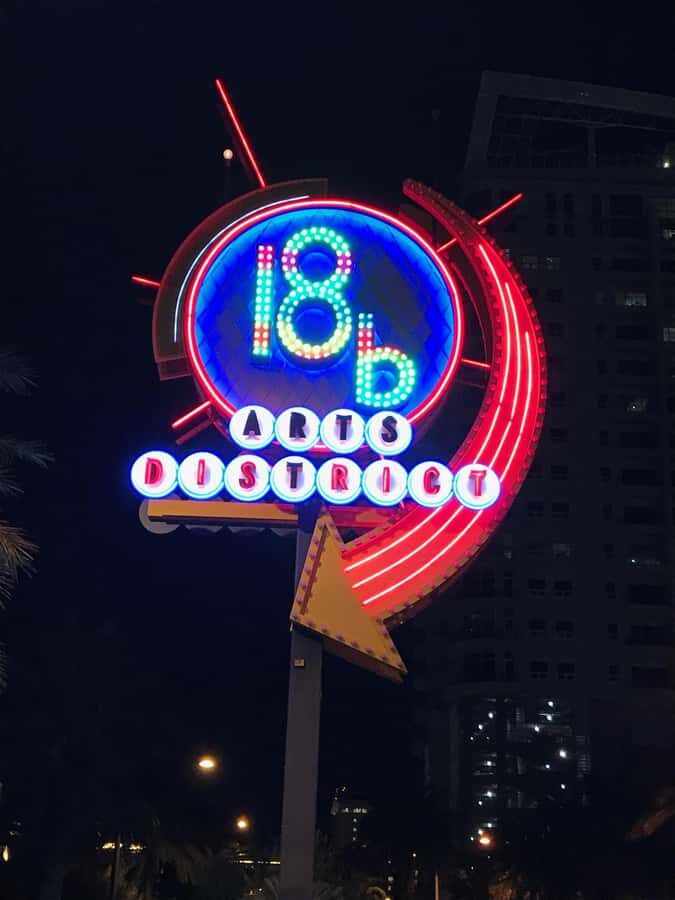
The guide is Brian Paco Alvarez, a Las Vegas native who works as a Cultural Anthropologist and previously served as a City of Las Vegas Arts Commissioner. That combination is a big part of why this tour feels different from a basic photo walk.
Paco’s focus isn’t just on art styles. He talks about how the district formed, how historic buildings and architecture fit into the story, and who is shaping the creative culture today. He also brings real confidence in what you’re looking at—especially when it comes to public art and the meaning behind what shows up in the alleyways.
If you’re the kind of traveler who likes context—why something is here, what it replaced, and who’s connected to it—this guide style will click. In the same way, if you only want a quick checklist of street art spots, you might find yourself wanting a faster pace. But for most people, Paco’s balance of history plus hands-on art access is exactly the point.
Sculpture stop: Radial Symmetry and Snowball the Cat
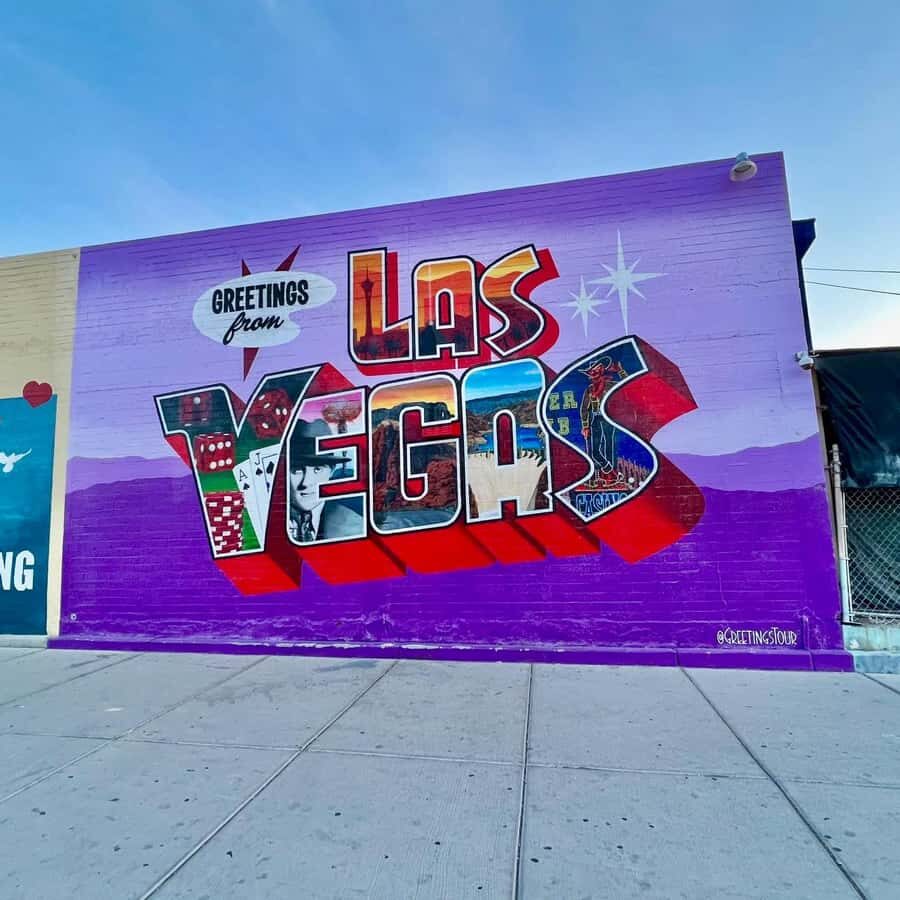
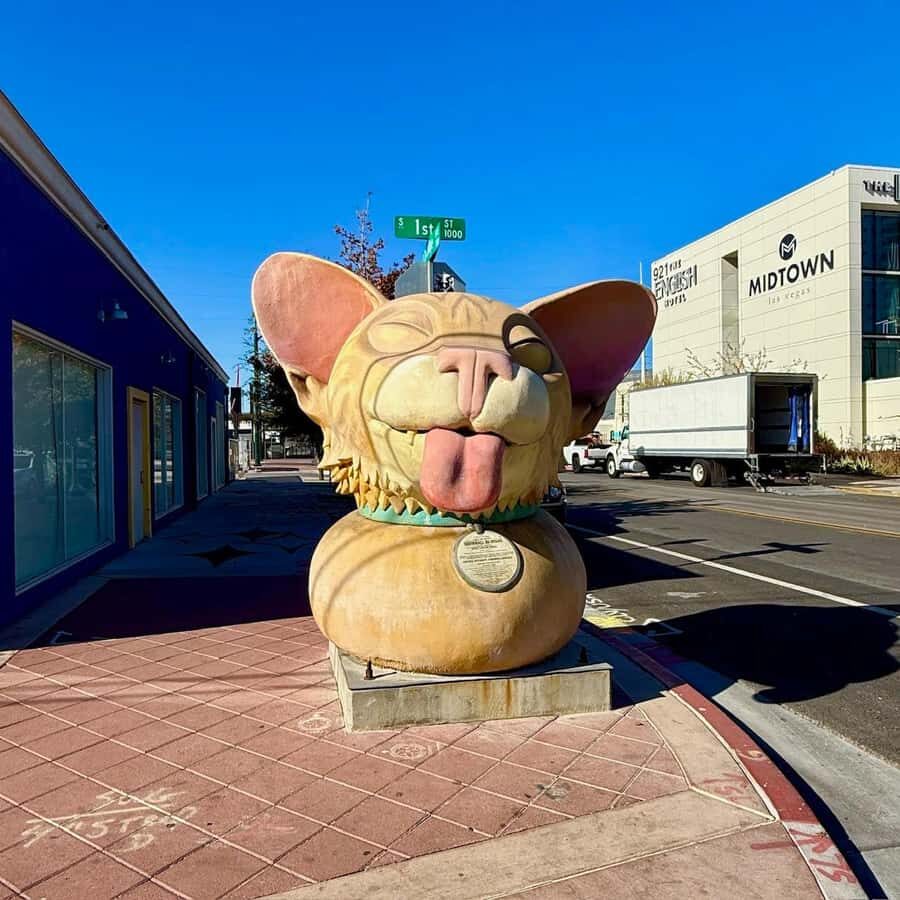
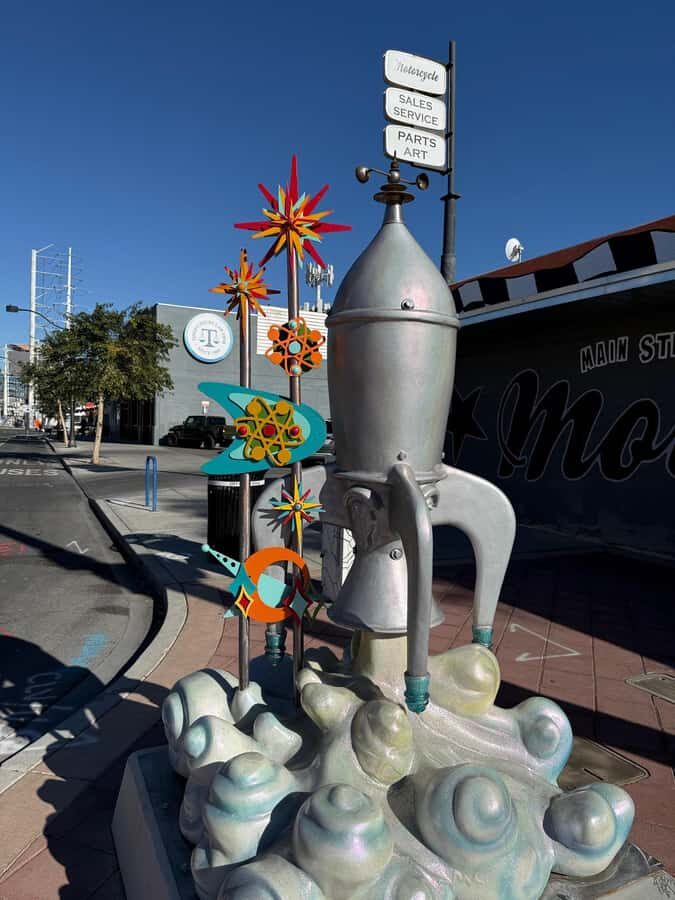
Two of the named public works on this route are Radial Symmetry by Luis Varela-Rico and Snowball the Cat by Jesse Carson Smigle. These stops are more than cute photo moments because they help you notice how the district uses public space.
Here’s the useful way to think about it: public sculpture in an arts district is a kind of street-level billboard. It announces that the neighborhood has a point of view, and it invites you to slow down. When you know the artist names (and the work is identified), you stop treating it like random street decoration and start treating it like part of a conversation.
A practical tip: take a minute to look from different angles. Public art is designed for real-world viewing—people moving around it, light shifting through the day, and the textures of surrounding buildings.
You’ll get that sense throughout the tour: art isn’t separated from daily life here. It sits right inside the district’s pathways and storefront energy.
Alleyways and street art: the part that turns a walk into an experience
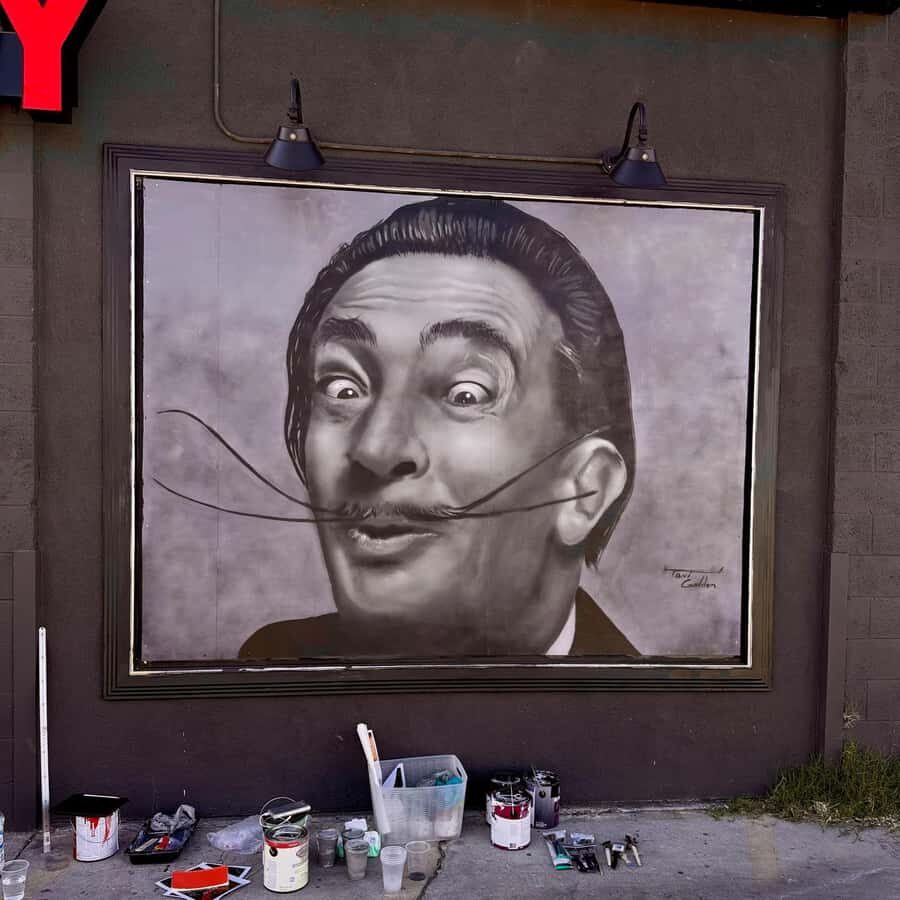
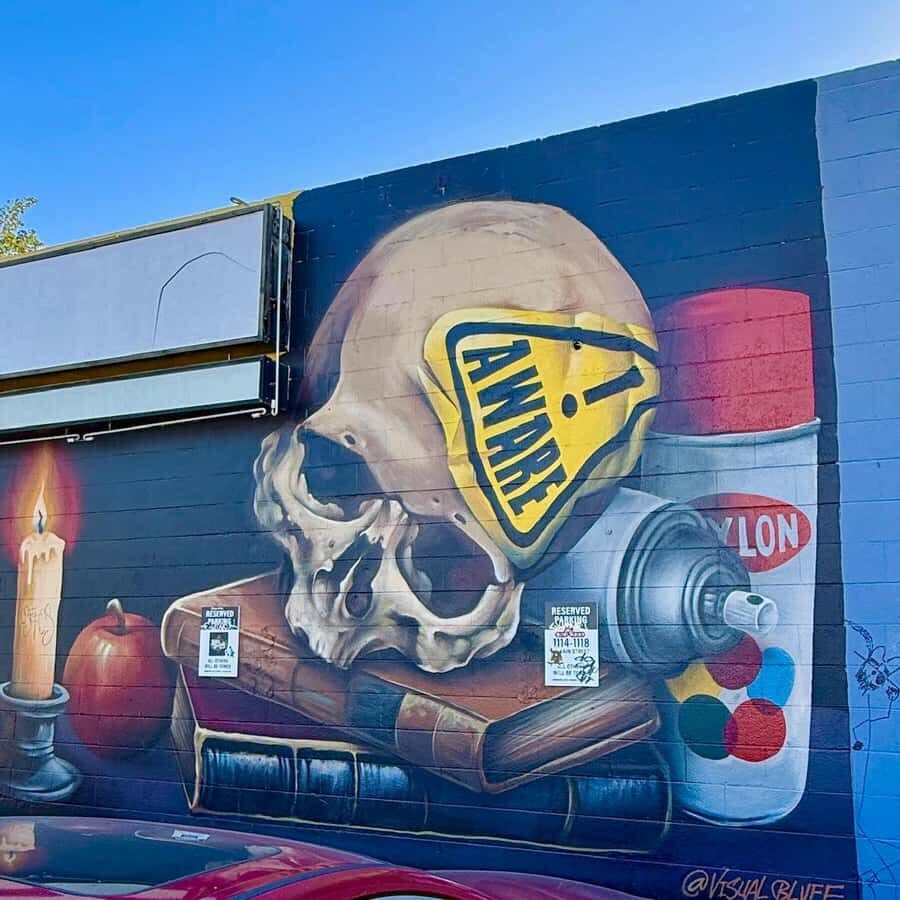
The heart of the 18b Arts District is what you see between the big signs and the main streets—alleyways covered in graffiti and street art. On this tour, you’re guided to those spaces with discussion, not just direction.
That matters because street art often needs a little context to land fully. Paco helps you connect what you’re seeing to local creativity and neighborhood identity—why certain images show up, and how street art shifts from a quick visual message into something that becomes part of community memory.
Expect plenty of opportunities to get photos. This is one of those walking routes where your phone storage might feel like it’s auditioning for a bigger life, especially because you’ll also visit places that are designed for Instagram-style viewing and art-focused browsing.
The tradeoff is also real: alleyways mean you’re out in the open more. If you’re visiting during hot months, the walk can feel longer than the distance suggests. That’s why the guide recommends summer-friendly clothing choices, and you should plan for sun.
Recycled Propaganda gallery: street art in a more formal setting
One of the named stops is Recycled Propaganda, a street art gallery. This is useful because it gives you a contrast.
Street art can be raw, fast, and outdoors. In a gallery setting, you still get the themes and visuals, but the framing changes. You have a chance to see the work with more breathing room—time to read the vibe and notice the details you might miss when you’re just moving through an alley.
If you like street art but sometimes feel like outdoor viewing is too quick, this stop helps you slow down without losing the district’s edge. It also gives you a break from the sidewalk heat, since galleries and indoor spaces are part of the experience.
Even if you don’t buy art, you’ll come away understanding the district’s range: it’s not only murals and tags. It’s also organized presentation, and that’s where many artists build deeper careers.


Inside the galleries and artist studios where work is actually happening
This tour doesn’t treat artists like distant celebrities. You visit art galleries and artist studios, where you can see the creative process vibe rather than only finished pieces.
Studio visits are one of the biggest value-adds on this kind of walking tour. It changes what you think you’re seeing. Instead of art as something placed carefully for customers, you see art as something made—sometimes in the middle of ongoing work, sometimes surrounded by tools and materials that explain the final product’s attitude.
And yes, there’s an artist meet-and-greet possibility. The tour is designed so you might meet an artist or two, even three, depending on what’s happening during the visit.
A smart way to approach these indoor stops:
- Don’t just photograph. Look for what’s being made and how it’s being presented.
- Ask questions if Paco encourages it. Studio conversations can be short, but they often reveal what the art is responding to.
- If you’re shy, still enjoy the space. You can learn a lot just by listening to Paco’s explanations.
Historic buildings and architecture: how the district keeps its memory
Another standout element is the focus on historic buildings and architecture. Paco doesn’t only point to art; he points to structure, too—how the district’s physical buildings hold stories.
This matters because art districts can feel like they appear out of nowhere. In reality, they usually grow through reuse—repurposing buildings, preserving parts of the past, and changing other parts into something new. The tour’s history discussions help you see that the art scene has roots, not just recent momentum.
If you enjoy architectural details—old facades, building layouts, and how neighborhoods evolve—this part will keep you engaged even when street art slows down.
It’s also a good reason to take this tour even if you’ve visited other artsy areas. Vegas has a specific relationship between development and reinvention, and Downtown’s 18b district is where that tension turns into creativity you can walk through.
Shopping stops, bars, and a practical break (food and drinks are up to you)
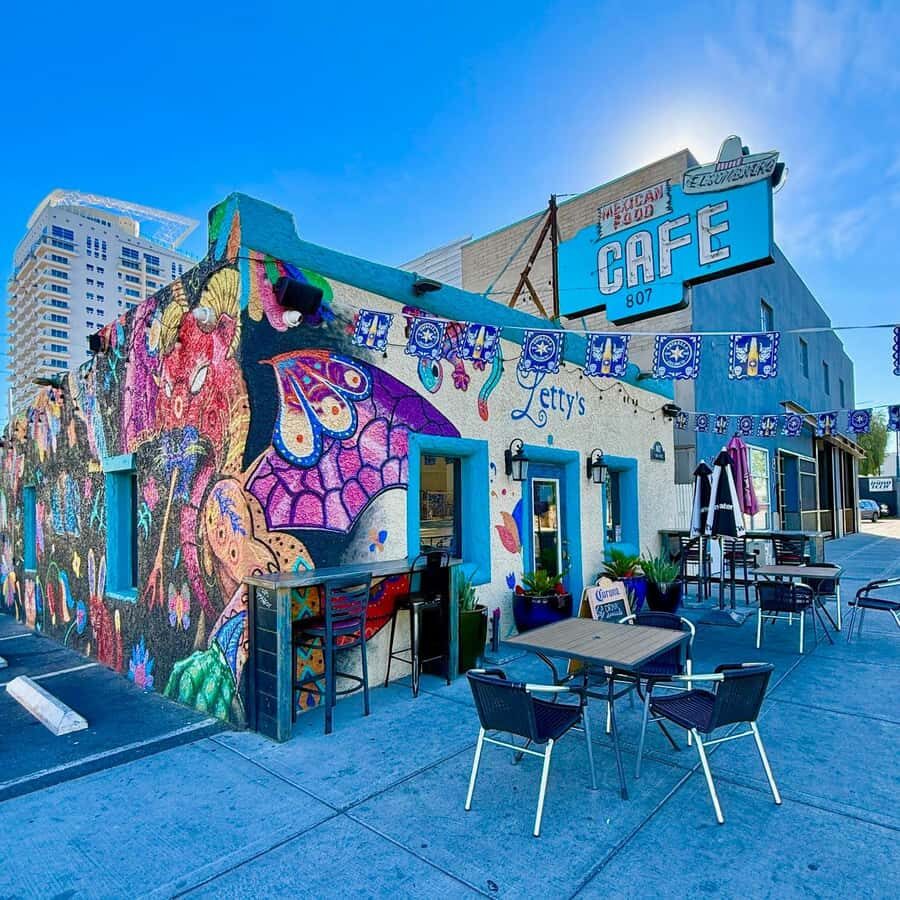
You’ll also pass through time for neighborhood-style browsing: antique shops, other shops, and even local bars and restaurants that fit the art-driven vibe.
Here’s a practical note: the tour includes opportunities to visit these places, but food and beverage isn’t included. That’s not a flaw—it’s a way to keep the tour flexible. You’ll still have the chance to grab water or a snack at spots along the way, and the route includes restrooms and places for refreshments and goodies.
So if you like to plan your day around walking, this tour works. You can eat before or after, and if something looks good mid-tour, you’ll have chances to pick up something simple without it being built into the price.
As for the shopping: antique lovers and vintage-curious visitors will feel at home. If you’re not into browsing, just treat these stops as pace breaks. They also give you a moment of indoor-ish comfort if the weather is harsh.
Price and time: is $65 worth it for a 2-hour walk?
At $65 per person for 2 hours, this isn’t the cheapest thing on your Vegas list. But it can be great value if you’re coming for culture and access—not just sights.
The value comes from three places:
- A specialist guide (Brian Paco Alvarez) who brings arts and neighborhood perspective, not a script.
- Real access: public art plus visits to galleries and artist studios, with an artist meet-and-greet possibility.
- Guided discussion at multiple stops, which makes the art more understandable and memorable.
If you’re the kind of traveler who enjoys street art, public installations, and creative neighborhoods, $65 for a guided, two-hour walk is usually a reasonable trade.
If you’re hoping for a guided tour packed with a full sit-down meal included, or you’re not into walking, then the price may feel high. But for most culture-first visitors, this is the kind of experience you can’t replicate on your own quickly—especially the guide-led context and studio access.
What to wear and bring so the walk feels easy
This is a walking tour. That seems basic, but in Las Vegas it’s the difference between fun and misery.
Bring:
- Comfortable shoes (non-negotiable)
- Sun hat and sunscreen
- Water
- Comfortable clothes suited to heat
The tour runs in a climate where summers are hot and sunny and fall/winter are milder, but you still should dress like the sun is doing the most. Also, the tour is ADA accessible, and pets aren’t allowed (assistance dogs are allowed).
You’ll want to keep your route comfortable, because you may spend a little time in indoor spaces and a little more time outside in the alleyways and around public sculptures. If you take care of the basics—water, hat, shoes—the rest feels manageable.
Who this tour is best for
This experience fits best if you:
- Want to see a quieter, more creative side of Vegas than the Strip
- Like street art but also want the background that makes it make sense
- Enjoy architecture and neighborhood history
- Appreciate direct interaction with local artists, especially during studio stops
It may be less ideal if you:
- Hate walking in heat or sun
- Prefer guided sightseeing that stays mostly indoors
- Want a food-focused outing (this isn’t a meal tour)
That said, the tour is short enough that you can still enjoy the rest of your day afterward—ideal if you’re doing a few different Vegas activities across a weekend.
Should you book this Arts District walking adventure?
If you want a dose of Vegas culture that feels grounded in real neighborhoods, I think you should book it. The mix of public art, alleyway street art, historic building context, and access to galleries and artist studios is the kind of combo that makes a tour feel worth your time.
Book it especially if your trip includes only a couple of days in town and you want one activity that turns on a different “Vegas lens.” And if you’re planning around summer heat, come prepared so the walk stays comfortable.
If you want, tell me your travel month and what you’re most interested in—street art, history, architecture, or artist studio access—and I’ll help you decide if this should be your one Downtown stop or your main event.
FAQ
Where does the tour start and end?
All groups start and end at the Arts Factory. The meeting point is behind the Arts Factory on Boulder Ave (107 E. Charleston Blvd).
How long is the tour?
The tour lasts about 2 hours.
How much does it cost?
It costs $65 per person.
How far do you walk?
You’ll walk about a mile round trip.
Who guides the tour?
The guide is Brian Paco Alvarez, a Las Vegas native and Cultural Anthropologist, and former City of Las Vegas Arts Commissioner.
What public art pieces are included?
You’ll visit public art including Radial Symmetry by Luis Varela-Rico and Snowball the Cat by Jesse Carson Smigle.
Do you visit galleries and artist studios?
Yes. The tour includes visits to galleries and artist studios, plus an artist meet-and-greet possibility.
Is food included?
No. Food and beverage isn’t included, though there are places to refresh and grab goodies along the way.
What should I bring?
Bring comfortable shoes, a sun hat, sunscreen, and water, plus comfortable clothes.
Are pets allowed?
Pets aren’t allowed, but assistance dogs are allowed.