REVIEW · LAS VEGAS
Vegas: Grand Canyon, Antelope Canyon, Horseshoe Bend, & Zion
Book on GetYourGuide →Operated by MaxTour LLC · Bookable on GetYourGuide
48 hours, four canyons, one great reset. This MaxTour road trip strings together Zion’s towering cliffs, Navajo-guided slot canyons at Lower Antelope, the dramatic bend of the Colorado River, and classic Grand Canyon South Rim viewpoints. I love the way the day is timed for big photo moments and how the included snacks keep the long drives from feeling like a punishment. One drawback to plan for: it’s a lot of time on the road, and Horseshoe Bend does include a short hike.
You’ll also get real human help. Guides like Momo and Cash are repeatedly praised for steering the group to great photo angles and stepping in to help with group pictures, without making it feel pushy. With a small group capped at 14 and the tour in English, the pace stays manageable even when the schedule is packed.
Logistics are mostly straightforward. Pickup starts early from many hotels near the Las Vegas Strip, but you might be asked to walk to a nearby pickup point. You’ll sleep in a simple 3-star hotel with two queen beds and then start the Grand Canyon morning fresh after breakfast.
In This Review
- Key things you’ll like
- Zion National Park in Tight Time: Big Views, Simple Stops
- Lower Antelope Canyon: Colorful Slot Canyons and a Navajo Guide
- Horseshoe Bend Overlook: The 1.25-Mile Walk to a 1,000-Foot Drop
- Grand Canyon South Rim: Yavapai, Grandview, and Lipan Viewpoints
- Route 66 on the Way Back: A Williams Lunch Break and Classic Stops
- The Included Hotel Night: What “3-Star” Means Here
- What You’re Really Paying For: $349 Value Plus the Fees You Must Plan
- Guides, Snacks, and Photo Stops: Why This Feels Easy
- Who This Tour Fits Best (And Who Should Skip It)
- Should You Book This Tour?
- FAQ
- What’s included in the tour price?
- What’s not included that I should budget for?
- How long is the experience?
- How big is the group and what language is the tour in?
- Is luggage allowed?
- Is this tour suitable for children?
Key things you’ll like
- Small-group size (up to 14): Easier conversation, easier photo stops, and fewer bottlenecks.
- Navajo-guided Lower Antelope Canyon: You’re not just walking through shapes; you’re learning as you go.
- Horseshoe Bend includes the right kind of effort: A 1.25-mile roundtrip walk for a 1,000-foot drop.
- Photo help from the guide: Multiple guides are highlighted for helping with angles and group shots.
- South Rim viewpoints chosen for variety: Yavapai, Grandview, and Lipan get you different angles in limited time.
- Route 66 stops without the whole day detour: A few classic landmarks plus a lunch break in Williams.
Zion National Park in Tight Time: Big Views, Simple Stops
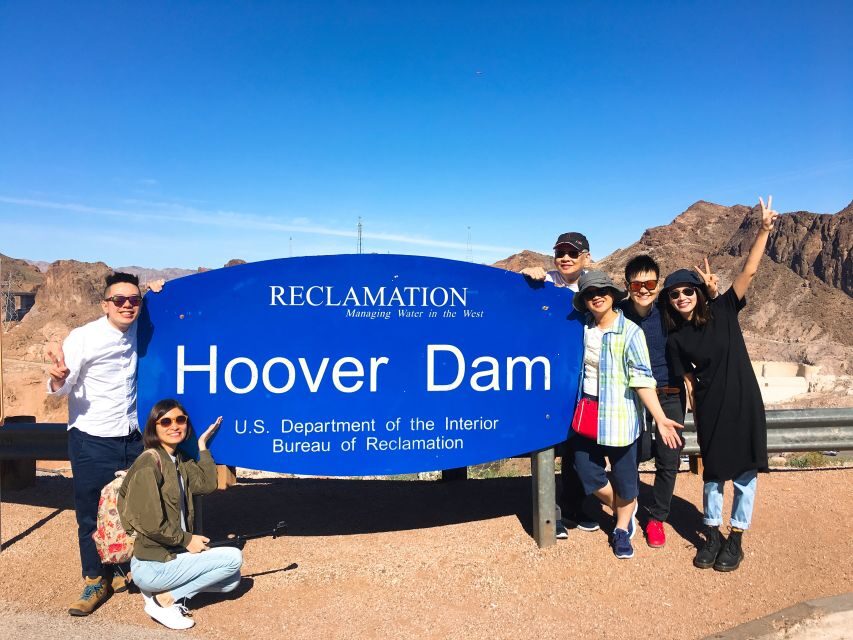
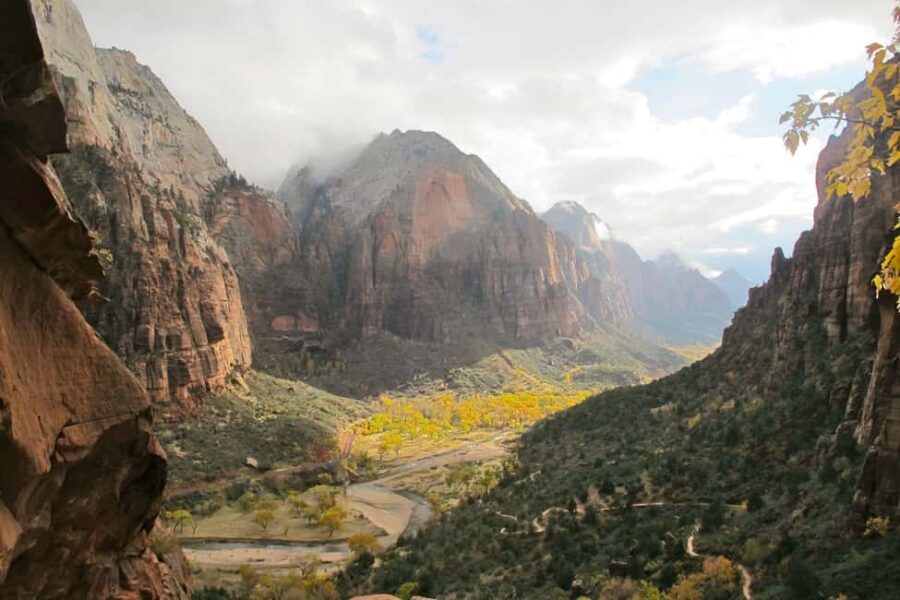
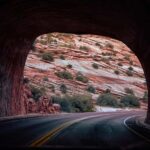
Zion is the first real “wait, wow” moment on this trip. The cliffs are huge and close, and the scenery changes as you move—so even quick stops feel worth it. You’re not doing a marathon hike here; you’re taking in the park with guidance that helps you get your bearings fast.
I like that Zion is treated like a highlight, not a background stop. The guide gives context along the way, and that turns the views into something you can actually explain later. You’ll also get clear expectations about where to stand and where not to fight for position.
If you’re sensitive to crowds, this is still a popular area. That said, the small-group format helps you spread out a bit and keeps the flow moving. Wear comfortable shoes. Zion is one of those places where you’ll end up walking more than you planned, even if the stops are short.
You can also read our reviews of more tours and experiences in Las Vegas.
Lower Antelope Canyon: Colorful Slot Canyons and a Navajo Guide
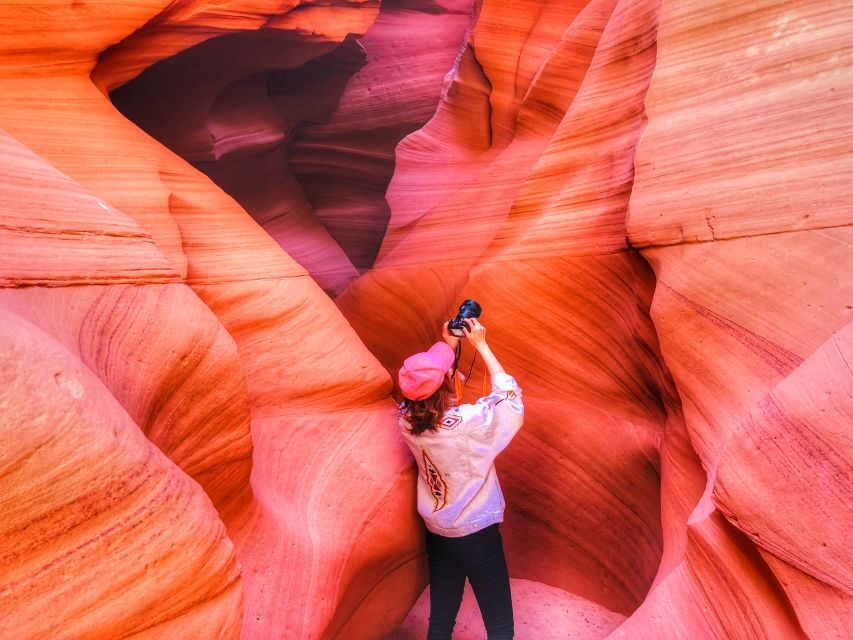
Lower Antelope Canyon is the star for people who like photos that look like they were made, not taken. The canyon walls are narrow and the lighting shifts as you walk, so the timing matters. This is where you’ll see that classic slot-canyon effect—light beams and glowing rock patterns.
What makes it especially good on a tour like this is the guide relationship. You go with a Navajo guide who leads you through the canyon and helps set the pace. That matters because you’re threading through tight spaces, and it’s better when someone knows where to pause for the best shots.
A practical note: the slot canyon schedule can mean you’re moving at a steady pace inside the canyon. If you’re hoping for slow wandering, it’s not that kind of visit. You’ll want your camera settings ready and your hands free, because you’ll likely be taking lots of pictures.
Also, budget for the main ticket here. Lower Antelope Canyon entry is not included, and the cost listed is $87. If you like to travel without surprise expenses, this is the one line item you should plan for up front.
Horseshoe Bend Overlook: The 1.25-Mile Walk to a 1,000-Foot Drop
Horseshoe Bend is iconic for a reason. From the overlook, you see the Colorado River curve in a way that feels almost unreal. The view hits hard, even if you’ve seen pictures before.
The walk is short but real: 1.25 miles roundtrip to reach the overlook. I like that this is “effort with payoff,” not a huge hike. Still, you’ll want decent shoes and an honest level of fitness. If you’ve got knee issues or you tire fast, you’ll feel it.
Where the tour helps is timing and logistics. You’ll drive to the area, then do the hike as a group with guidance on where to stop for photos and how to manage time. Some people make Horseshoe Bend their favorite stop, and it’s easy to see why—especially when you catch it at the right light.
Bring water and don’t rely on a late warning that it’s hot. Even with snacks onboard, the overlook hike doesn’t happen inside a building, and weather can change how you feel by the time you reach the river.
Grand Canyon South Rim: Yavapai, Grandview, and Lipan Viewpoints
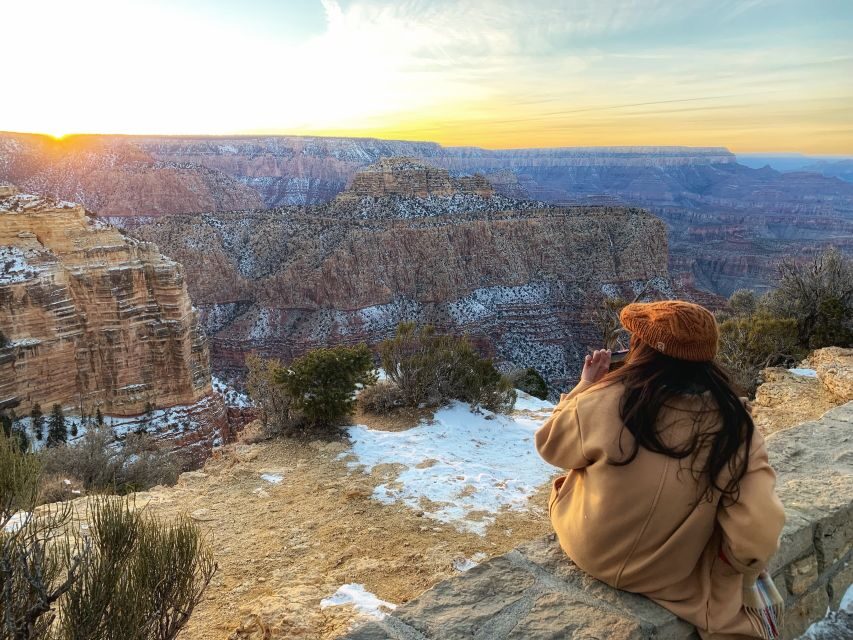
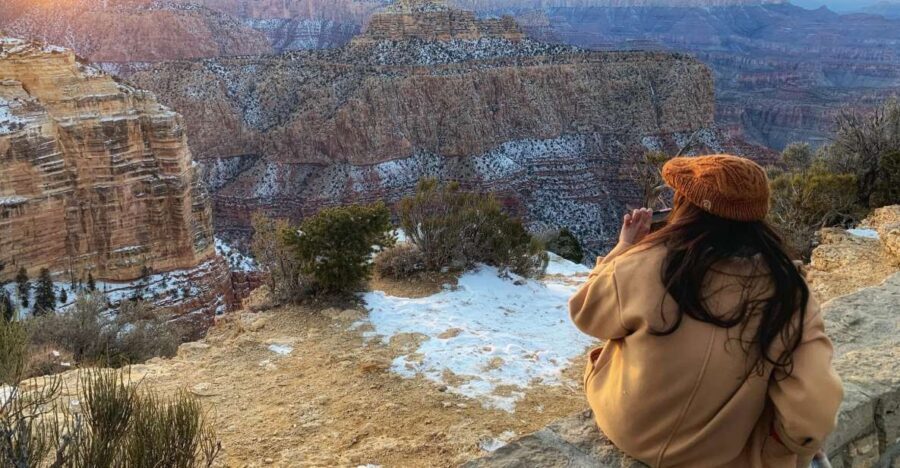
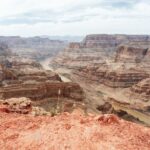
Day two is the Grand Canyon morning you came for. The key here isn’t just seeing the canyon once—it’s seeing it from several South Rim angles. You’ll visit Yavapai Point, Grandview Point, and Lipan Point, with time to explore and take photos.
The South Rim works because it gives you big, clear views with the infrastructure to walk around and swap viewpoints. You’ll feel the scale fast. Even if you’ve read about it, nothing prepares you for the sheer drop and the layered rock colors.
I also like how the viewpoint list is practical. One stop gives you a wide context shot. Another shifts the angle just enough to show a different pattern of the canyon walls. By the time you reach the third viewpoint, it feels like you’re seeing a new view rather than repeating the same photo.
A drawback to be aware of: the Grand Canyon can pull everyone in. Expect busy times at popular edges. The small-group size helps you find space, but you should still plan on slower foot traffic at the overlooks.
If you’re the type who wants one perfect photo, this tour format is good. Guides have helped many people hit good photo angles and take group pictures, and that matters when everyone is standing at slightly different distances.
Route 66 on the Way Back: A Williams Lunch Break and Classic Stops
Not every minute is spent in national parks, and that’s a fair trade. Between canyons, you’ll stop at three classic Route 66 landmarks, including a lunch break in Williams, Arizona.
Route 66 is one of those routes where the nostalgia is half the fun. Williams is a convenient place to reset, eat something local, and stretch your legs before the final leg back toward Las Vegas. On this trip, that break helps keep the second day from feeling like a nonstop grind.
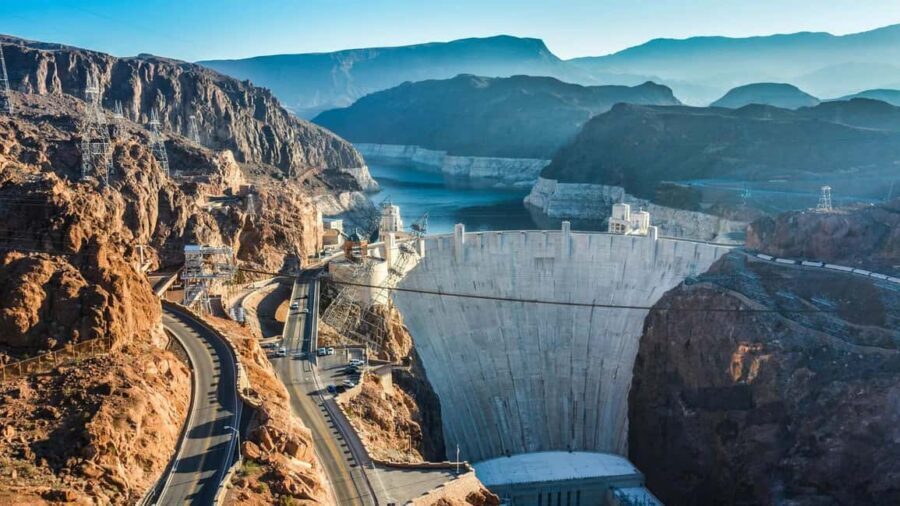
Some guides also build in extra roadside interest when the route allows it. For example, you might notice stops connected to dam viewpoints or Joshua-tree scenery from the road. Even if you’re not obsessed with Route 66 history, it breaks up the drive with variety.
If you don’t care about Route 66 at all, this section can feel like the “time between highlights.” Still, it’s a useful buffer for bathrooms, snacks, and regrouping.
The Included Hotel Night: What “3-Star” Means Here
You get one night in a 3-star hotel and then breakfast before the Grand Canyon morning. The rooms are set up with two queen beds, which is handy for couples or small friend groups. Think simple and clean rather than fancy.
This hotel stop is valuable because it gives you a real reset. After Zion and Antelope Canyon the first day, you want sleep that actually feels like sleep, not a “barely slept but checked in” situation. The next morning starts early again, so you’ll feel the hotel quality more than you might expect.
One thing to plan for: dinner isn’t included, so you’ll either eat in the area where your day ends or follow the guide’s local recommendations. Having snacks and drinks included helps you avoid hangry spirals until you find food.
Also, this tour is built for carry-on style travel. Large bags aren’t allowed, so pack light.
What You’re Really Paying For: $349 Value Plus the Fees You Must Plan
At $349 per person for two days, you’re basically buying three big categories: transportation, expert guiding (including a Navajo guide), and the “time-saving” factor of seeing multiple major sites in one swing.
That value gets better because some key items are included:
- Las Vegas hotel pickup and drop-off
- Transportation in a comfortable van setup
- A live English guide
- Navajo guide at Lower Antelope Canyon
- Horseshoe Bend entrance fee
- 1 night in the hotel
- 2 breakfasts
- Unlimited drinks and snacks
But don’t miss the two main “not included” items:
- Lower Antelope Canyon entry ticket: $87
- Lunches and dinner (so budget for meals outside the included breakfasts)
And if you’re not a U.S. resident, there’s an important line: national park non-resident entry requirements. The data provided notes a $250 non-resident annual pass may be required for non-U.S. residents (for the passholder plus up to 3 additional adults). This fee is government-set and not included, and it’s subject to change. If you’re traveling internationally, you’ll want to confirm your entry coverage before you go so you don’t get surprised at the gate.
The “value math” works best if you like guided stops, don’t want to drive yourself, and want a hotel night without planning everything from scratch. If you already have a rental car and want to go at your own pace, you might compare costs. But the included guiding and ticket-related pieces make the group format feel like a shortcut to the best parts of the region.
Guides, Snacks, and Photo Stops: Why This Feels Easy
The most consistently praised part of this tour is the guide work. People call out guides by name, and the pattern is clear: you get helpful pacing, timely reminders, and real attention to the group. Guides like Momo and Justin are described as cheerful, attentive, and proactive about comfort—things like snacks, drinks, and the little nudges you don’t think about until you need them.
There’s also a strong photo angle here. Several guides are credited with knowing great photo spots and taking lots of pictures for the group. That matters because at places like Antelope Canyon and Horseshoe Bend, you’re often surrounded by strangers, and you’re not always in the best position to frame the shot. When the guide steps in to help, it saves you from awkward self-timer misses.
Unlimited drinks and snacks are another underrated part of the experience. After long drives and early starts, it keeps energy steady without constant stops for convenience purchases. You still want to eat meals when provided or when you reach a lunch spot, but this helps you stay comfortable between the big attractions.
One small note: this isn’t a “leave whenever you want” kind of day. It runs on schedule. The advantage is it stays efficient. The tradeoff is you’re following the plan more than you might on your own.
Who This Tour Fits Best (And Who Should Skip It)
This is a strong fit if you want a high-impact Northern Arizona and Southern Utah highlight reel while staying based in Las Vegas. It works well for couples, solo travelers who want an easy social pace, and anyone who doesn’t want to deal with long-distance driving logistics.
It’s also good for people who like photos and want help getting them. The guide support—especially at Lower Antelope Canyon, Horseshoe Bend, and the Grand Canyon viewpoints—can turn your results from decent to “wow, that’s me in the shot.”
It may not be ideal if you travel with kids under 6. The tour is not suitable for children under 6 years.
And if you’re traveling with lots of luggage, rethink your packing. Large bags aren’t allowed, and you may need to bring a smaller daypack style setup.
Should You Book This Tour?
If your goal is to see Zion, Lower Antelope Canyon, Horseshoe Bend, and the Grand Canyon South Rim in two days without driving yourself, I’d say this is a smart pick. The itinerary is built around the highest payoff stops, and the small group size plus snack support makes it feel smoother than you’d expect for that much road time.
I’d especially consider booking if you want photo help and you don’t want to stress about timing at Antelope Canyon or juggling viewpoint logistics at the Grand Canyon. If you hate long car rides, though, be honest with yourself. This trip includes a lot of driving. You’ll likely love the stops more than you love the time between them.
If you’re the kind of planner who wants to avoid surprise fees, add the $87 Antelope Canyon ticket and double-check any non-U.S. park entry requirements tied to your status. Once those are squared away, the rest reads like a clean, well-run way to tackle big-name sights efficiently.
FAQ
What’s included in the tour price?
The tour includes Las Vegas hotel pickup and drop-off, transportation, a guide, a Navajo guide at Lower Antelope Canyon, the Horseshoe Bend entrance fee, 1 night in a 3-star hotel, 2 breakfasts, and unlimited drinks and snacks.
What’s not included that I should budget for?
Lower Antelope Canyon entry ticket ($87), lunches and dinner, and the national park non-resident entry requirement may apply for non-U.S. residents (a $250 non-resident annual pass is noted, and it is not included).
How long is the experience?
It’s a 2-day tour. Starting times vary by availability.
How big is the group and what language is the tour in?
The group is limited to 14 participants, and the live tour guide speaks English.
Is luggage allowed?
No luggage or large bags are allowed.
Is this tour suitable for children?
It is not suitable for children under 6 years.