REVIEW · LAS VEGAS
From Las Vegas: Death Valley Guided Day Tour
Book on GetYourGuide →Operated by Mojave Wave LLC · Bookable on GetYourGuide
If you love big contrasts, this day fits.
This guided trip turns Las Vegas into a fast route through Death Valley extremes, from early viewpoint stops to the wide-open Mesquite Flat Sand Dunes. You’ll also get real Wild West flavor at ghost towns like Rhyolite, and the day moves with a small group so you don’t feel like you’re parked in a seat while everyone else points.
Two things I like a lot here are the small group size (up to 12) and the way your guide works the stops. I’ve seen names like Brian and Jason mentioned often, and the common thread is how they keep the day flowing without feeling like a factory tour.
One drawback: it’s a long day with serious sun. You’ll want to plan your energy around the early start and the heat, not around a packed night out afterward.
In This Review
- Key highlights worth your attention
- The “12 hours in the desert” reality check
- Getting to the park early: why the timing matters
- The guides: Brian and Jason, and the small-group advantage
- First taste of Wild West history: Rhyolite ghost town
- Entering Death Valley: Furnace Creek and the heat you can feel
- Highest and lowest paved viewpoints: seeing extremes in one day
- Mesquite Flat Sand Dunes: the part you’ll talk about later
- Artist’s Palette and the color stops that make photos look real
- Food, water, and comfort: what the inclusions mean
- How hard is it really?
- Rules and what to bring so you’re not scrambling
- The money question: is $199 good value?
- Should you book this Death Valley day tour?
- FAQ
- How long is the Death Valley guided day tour?
- What is the price per person?
- Is hotel pickup and drop-off included?
- What’s included in the tour price?
- Is food included?
- How big is the group?
- What language is the live tour guide?
- Is the tour wheelchair accessible?
- What’s the cancellation policy?
- What do I need to bring, and what is not allowed?
Key highlights worth your attention
- Small group of up to 12 for more personal pacing and less crowd pressure
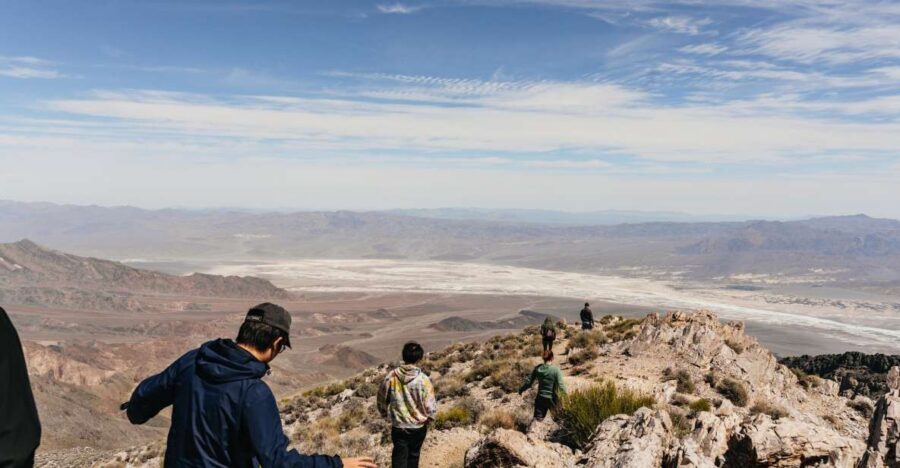
- Highest and lowest paved viewpoints of Death Valley, so you see the extremes in one go
- Rhyolite ghost town tied to the gold rush story behind the place
- Furnace Creek Visitor Center and the record heat location in the heart of the valley
- Mesquite Flat Sand Dunes plus viewpoints like Artist’s Palette for color and texture
- Breakfast buffet included (food can make or break a long desert day)
The “12 hours in the desert” reality check
Let’s call it what it is: this is a full-day outing with an early push. You’re picked up from your Las Vegas hotel, then you’re heading out into the Mojave Desert with enough driving and stop time to feel like you actually covered ground. The total duration is 12 hours, which is long, but it’s also why this format works. If you try to DIY this, you’ll spend more time plotting routes and timing than soaking in the sights.
The payoff is that you’re not just seeing one token viewpoint. This tour is built around big, distinct zones inside Death Valley National Park, including the visitor center area at Furnace Creek, the dunes, and the paved viewpoints that represent the highest and lowest points accessible by road.
Your biggest “consideration” is heat and walking. Even when you’re not hiking far, Death Valley can feel relentless. The tour is not recommended for people who are pregnant, have heart or back problems, or have pre-existing medical conditions or low fitness. If you’re in that group, it’s worth checking with your doctor before you commit.
You can also read our reviews of more guided tours in Las Vegas
Getting to the park early: why the timing matters
This kind of Death Valley day works best when you’re not arriving mid-afternoon. Several guides mention sunrise timing in their approach, and the reviews hint at very early pickups in colder months and summer strategies to beat peak temperatures. Practically, that means you should treat the departure time as part of the experience, not an inconvenience to “get through.”
What you’ll gain from the early start:
- Better light for photos and for seeing the textures in rock and sand
- More comfortable walking windows before the heat ramps
- Less chance of feeling rushed at the first big viewpoints
And yes, the day can be intense. One common theme is that you’ll be happiest if you keep your schedule light afterward. If you plan dinner reservations or shows right after, you might run into timing surprises based on how the day moves and what’s accessible.
The guides: Brian and Jason, and the small-group advantage
The guide is the difference between watching scenery from a bus window and understanding what you’re looking at. In the feedback, the guides most frequently named are Brian and Jason, and the praise centers on how they mix history, geology, and practical pacing. You’ll hear stories that connect locations to the people who lived there, and you’ll also get help with where to stand, when to take photos, and how to make the most of the stop time.
The small group size (limited to 12 participants) matters more than you might think. In a large group, you’re often chasing the schedule. Here, you’re more likely to get the sense that the guide can slow down if the group wants a longer look. That shows up in the way stops are described: you’re not just dropped off for a quick photo; you get time to actually see.
One more practical benefit: bottled water is included, and guides are typically proactive about staying hydrated. In extreme heat, that isn’t just nice. It’s peace of mind.
First taste of Wild West history: Rhyolite ghost town
After pickup, you head toward Death Valley with stops that break up the drive. One standout is Rhyolite, a ghost town tied to the gold-rush boom after gold was found around 1904.
Rhyolite isn’t just a pile of old buildings. It helps you understand why Death Valley towns could rise fast and then fade just as quickly. The tour gives you context, and that makes the abandoned structures feel less like random ruins and more like a snapshot of boom-and-bust America.
What to expect at this stop:
- Time to explore the ghost town area
- A guide-led explanation tying the place to the era
- Photo opportunities, especially for wide shots and old-town textures
A small tip: wear comfortable shoes even if the walking looks light on paper. Ghost towns can be uneven, and you’re on a timeline for the rest of Death Valley.
Entering Death Valley: Furnace Creek and the heat you can feel
Then you’re in the valley itself. The tour highlights Furnace Creek as a core stop, including a visit to the Furnace Creek Visitor Center, where the record high temperature was recorded. This is one of the best “anchors” for a first-time Death Valley visit. You come in with curiosity, and then the place gives you the facts and context you’re actually looking for.
From a practical point of view, Furnace Creek is also where the tour makes the day work. It’s the hub area for services, and it’s a natural time to regroup, use facilities, and reset your expectations. You’ll also likely feel the temperature difference in a way that words can’t explain—until you’re there, it’s hard to grasp how quickly conditions shift in the desert.
The tour also includes time for food. You’ll have either a sit-down lunch or a breakfast buffet depending on availability. Either way, it helps you avoid the classic Death Valley problem: under-eating early, then running on willpower later. Since food is not otherwise included beyond that, breakfast/lunch is an important part of the value.


Highest and lowest paved viewpoints: seeing extremes in one day
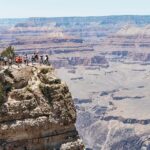
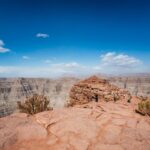
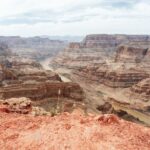
Death Valley’s best trick is that the extremes are close enough to compare in a single outing. This tour is specifically built around that idea: you’ll see the highest and lowest paved viewpoints accessible by road.
In practical terms, that usually means:
- A high viewpoint for broad views and a strong sense of scale
- A low point that feels like you’ve dropped into a different world entirely
A detail worth knowing: the early timing often aims to hit key viewpoints in the best light, with some departures timed for sunrise viewing. Even if you don’t care about the perfect shot, sunrise is usually quieter and cooler, and that makes the viewpoint experience more enjoyable.
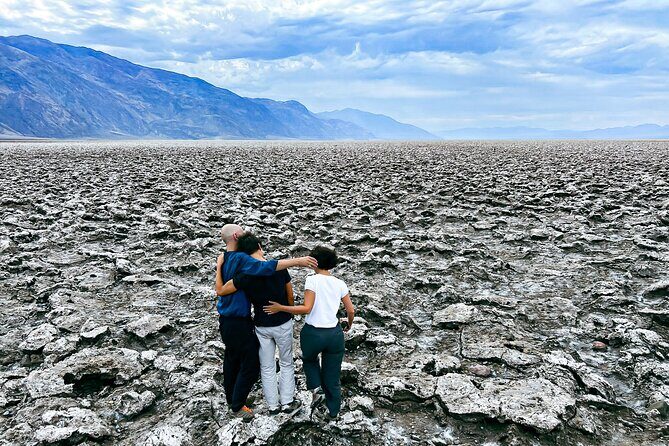
At the low end, your eyes notice how the terrain changes. You get a sense of the valley’s sink-like shape and why it traps heat. It’s a quick lesson in why Death Valley is more than just hot—it’s physically built for extremes.
Wear layers even for winter mornings. Cold can be real at the start of a desert day, and then it warms up fast.
Mesquite Flat Sand Dunes: the part you’ll talk about later
This is the stop most people picture when they think Death Valley, and it’s also the stop that can quietly change how you understand the place. The tour includes a trek through Mesquite Flat Sand Dunes, one of the most iconic dune fields in the park.
What’s special here isn’t just “sand.” It’s how the dunes look and move under changing light. Even with simple walking, you’ll feel like you’re stepping into a different texture universe. And because you’re on a guided format, you’ll know where to go without spending your mental energy on route planning.
A key advantage is that it’s not the only dune moment. The day is arranged so you’re not stuck in one type of view for twelve hours. The dunes get paired with color and rock stops like Artist’s Palette, so your brain keeps refreshing what it’s seeing.
If you’re bringing a camera, this is where it earns its keep. If you’re bringing only your phone, it still works—just keep your lens clean. Sand has a way of sneaking into everything.
Artist’s Palette and the color stops that make photos look real
Along the way, you’ll see Artist’s Palette, a landmark known for striking color bands in the rock. It’s a great example of how Death Valley can be beautiful without being “pretty.” The colors are natural and dramatic, and they help you read the geology behind the visuals.
Why this stop matters: it gives you a break from the extremes and shows you the layered history of the landscape. The guide adds context, so instead of seeing a wall of color, you understand what created it.
This is also a good stretch of the day to slow down. The tour structure helps, but you’ll get the most out of Artist’s Palette if you pause long enough for your eyes to adjust. Desert colors can look muted at first, then suddenly snap into clarity.
Food, water, and comfort: what the inclusions mean
Let’s talk value in plain terms. The tour costs $199 per person, and the included basics are what make the day feel doable:
- Hotel pickup and drop-off
- Death Valley entrance fees
- Breakfast buffet (and a sit-down lunch may be offered depending on timing/availability)
- Bottled water
- A guide
You’re not paying extra for park access. You’re not arranging transport. And you’re getting water in a place where dehydration is a real risk. When people compare this to renting a car, they usually forget how much time and stress goes into planning. Here, the route and stop timing are handled for you.
The one clear thing that is not included is food beyond what’s listed, so don’t assume you can eat whenever you want. If you’re the kind of traveler who likes snacks, consider bringing small personal items you’re allowed to bring, and plan around the included meal.
How hard is it really?
You’ll be fine if you’re comfortable with:
- Long driving time
- Early morning timing
- Heat exposure
- Walking on uneven desert surfaces
But it’s not a gentle stroll. The tour is not recommended for people with certain medical conditions, and it’s also not positioned for very low fitness. That’s not a scare tactic. It’s just the reality of Death Valley: you can get tired fast even if you don’t walk far.
Also, note the rules that shape your comfort. Luggage or large bags are not allowed, and smoking in the vehicle is prohibited. Drones are not allowed either. It’s best to pack light so you’re not stuck managing gear in a small vehicle.
Rules and what to bring so you’re not scrambling
Here’s the practical stuff I’d treat as non-negotiable:
- Comfortable shoes with good grip
- Weather-appropriate clothing, plus layers for early hours
- ID card (a copy is accepted)
And a few “don’t bring this” notes that can save you a headache:
- No drones
- No alcohol and drugs
- No smoking in the vehicle
- No bare feet
- Restrictions also mention non-folding wheelchairs and non-folding strollers, plus electric wheelchairs are not allowed
If you’re thinking about wheelchairs or strollers, confirm your exact type first. The tour is listed as wheelchair accessible, but some equipment formats are explicitly restricted.
The money question: is $199 good value?
For many first-timers, the big question is simple: am I paying for convenience or for quality?
Here’s why this can feel like good value:
- You’re getting guided stops designed around Death Valley’s big targets, including both the highest and lowest paved viewpoints
- Entrance fees and hotel pickup/drop-off are included, so you’re not adding costs
- A guide for a full day in a remote park area is hard to replicate on your own without planning stress
- Breakfast/lunch support plus bottled water reduces the “survive the day” factor
At the same time, you should decide based on your style. If you want total control of every hour, an independent rental might suit you better. If you want the day organized so you can focus on seeing and learning, this format is built for that.
Should you book this Death Valley day tour?
Book it if you want a one-day hit of Death Valley’s core highlights without the planning grind. The combination of ghost town history at Rhyolite, the Furnace Creek heat stop, and a dune trek at Mesquite Flat Sand Dunes is a strong “first time” set. Add the small group size and the consistent praise for guides like Brian and Jason, and you’ve got a format that’s likely to feel personal rather than rushed.
Skip or reconsider if you’re sensitive to heat, need a low-impact day, or fall into the stated groups where the tour is not recommended. Death Valley doesn’t care about good intentions, and this itinerary is designed for people who can handle a long, sun-heavy day.
If you’re the right fit, this tour is an efficient, memorable way to see why Death Valley earns its reputation.
FAQ
How long is the Death Valley guided day tour?
The duration is 12 hours.
What is the price per person?
The price is $199 per person.
Is hotel pickup and drop-off included?
Yes. Pickup and drop-off are included.
What’s included in the tour price?
Entrance fees to Death Valley, a breakfast buffet, bottled water, and a guide are included.
Is food included?
Food is included as a breakfast buffet, and the day may also include a sit-down lunch depending on availability. Food is otherwise not included beyond what’s listed.
How big is the group?
It’s a small group limited to 12 participants.
What language is the live tour guide?
The tour guide speaks English.
Is the tour wheelchair accessible?
Yes, it’s listed as wheelchair accessible.
What’s the cancellation policy?
Free cancellation is available up to 24 hours in advance for a full refund.
What do I need to bring, and what is not allowed?
Bring comfortable shoes, comfortable weather-appropriate clothing, and an ID card (a copy is accepted). Not allowed items include luggage or large bags, drones, and alcohol and drugs. Smoking in the vehicle is also not allowed.