REVIEW · GRAND CANYON VILLAGE
Grand Canyon Dancer Helicopter 25-minute Tour from South Rim
Book on GetYourGuide →Operated by Maverick Airstar - South Rim · Bookable on GetYourGuide
This 25 minutes gives you the canyon’s real scale.
From the South Rim, the Grand Canyon Dancer flight mixes forests-first views with a rare geology angle as you pass over places like the Tower of Ra and Vishnu Schist. Then the route turns into pure canyon drama, sliding through the Dragon Corridor, the widest and deepest stretch, before heading toward the North Rim.
I especially like the way this tour turns the Grand Canyon from a postcard into something you can actually picture—old rock layers, deep cuts, and the river’s line all in one go. The main drawback to think about is the big one: the time in the air is brief, so you’re sightseeing at speed, not lingering.
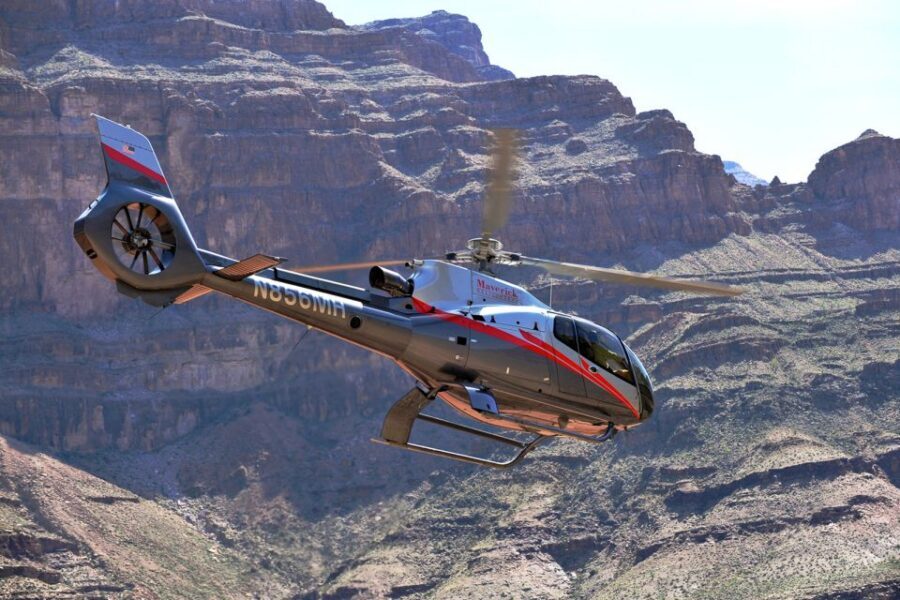
You’ll feel that speed less thanks to the comfort and visibility on Maverick Airstar’s ECO-Star helicopters, with individual leather seats, wraparound glass, and noise-reduction features. And small-group size (limited to 7) keeps the vibe calm, so your seat time feels focused rather than crowded.
In This Review
- Key things I’d watch for before you go
- Entering the canyon from the South Rim, then doing the geology homework
- The 30-minute block: what you’re really buying (and where your time goes)
- Kaibab National Forest to the Dragon Corridor: the moment the canyon changes everything
- Over the Colorado River toward the North Rim: a view you can’t fake from the ground
- ECO-Star helicopter comfort: why the seat and glass matter more than you think
- Group size and the vibe: small numbers, clearer narration
- Who this Grand Canyon Dancer flight is best for
- Price and value: is $309 for a short flight a good deal?
- Weather reality: why you should be ready to adapt
- Rules that affect your comfort (and how to plan around them)
- Should you book the Grand Canyon Dancer 25-minute helicopter tour?
- FAQ
- How long is the helicopter flight?
- Where is the meeting point for the South Rim tour?
- What ID do I need for check-in?
- Is this tour wheelchair accessible?
- What can’t I bring on the helicopter?
- Do I need to reconfirm my flight time?
- Can I cancel for a full refund?
Key things I’d watch for before you go
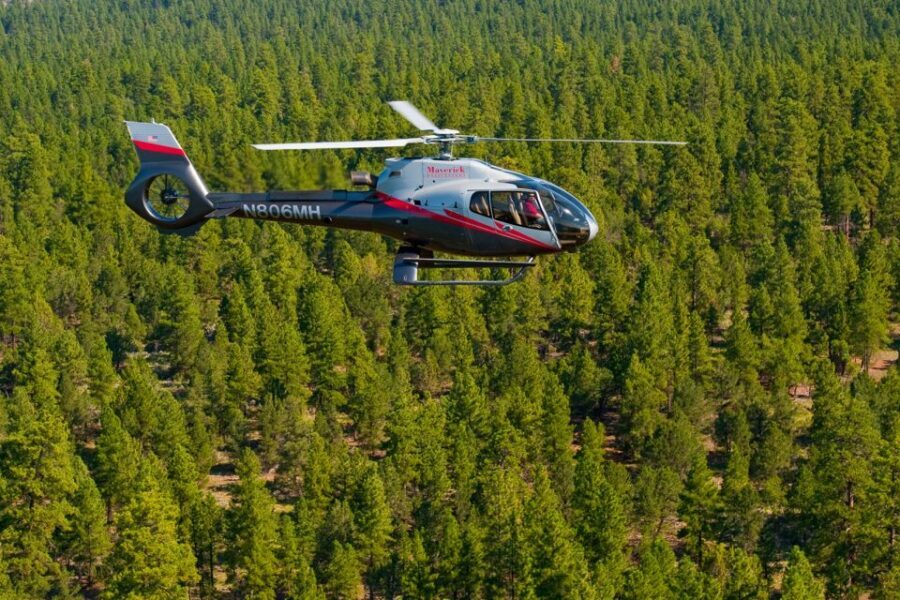
- Kaibab National Forest first: you see the forest world before the canyon opens up.
- Tower of Ra and Vishnu Schist: you’re not just looking down, you’re looking at rock names and ages.
- Dragon Corridor routing: this is the canyon’s widest and deepest section on your flight path.
- Oldest exposed rock layers: you get a clear sense of the canyon’s timeline.
- Colorado River toward the North Rim: you see the river’s role in shaping everything below.
- ECO-Star comfort: leather seats, wraparound glass, and noise reduction make a short flight feel smoother.
Entering the canyon from the South Rim, then doing the geology homework
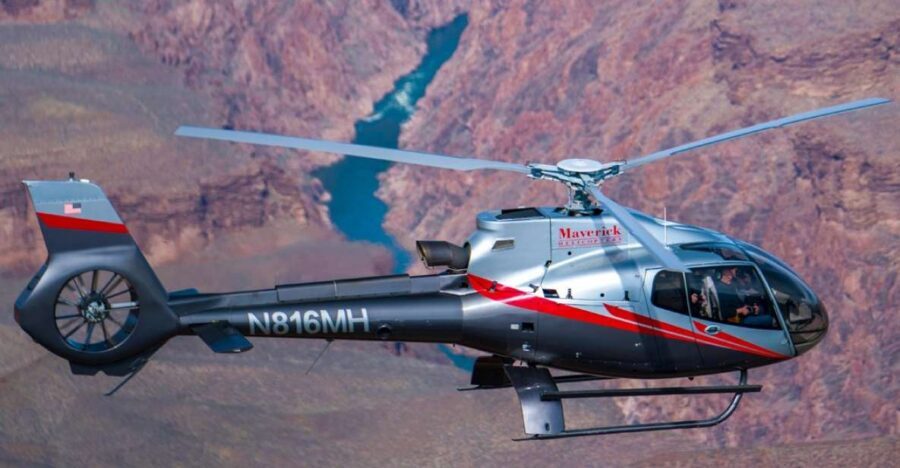
I like that this flight starts with the Kaibab National Forest overhead. It’s a quick but smart warm-up. Instead of dropping straight into canyon views, you get context: the rim country, the forest texture, and the sense that you’re leaving one type of landscape and stepping into another.
Then you transition into the Grand Canyon with specific visual targets. You’ll gaze above the panoramic views of the Tower of Ra and Vishnu Schist as you fly in. That matters, because helicopter views can feel fast and vague if you don’t have names to anchor what you’re seeing. Having those landmarks called out helps you track what’s happening as the terrain changes. You don’t just see layers—you learn what you’re looking at.
And once you reach the Dragon Corridor, the canyon starts to look less like one big hole and more like a massive system of cuts and depths. The Dragon Corridor is described as the canyon’s widest and deepest portion. In practice, that wide-and-deep idea usually lands with a wow-factor because your view expands horizontally (more canyon spread) and vertically (more drop). This is a big reason people choose a short flight here: you’re getting scale fast, with less walking than most classic rim viewpoints.
One more geology angle that stays with you: the tour notes that you’ll witness some of the oldest exposed rock layers in the world. That’s not just trivia. When you understand that the canyon is exposing layers that took ages to build, the flight feels more than scenic. It becomes a moving lesson in time.
You can also read our reviews of more tours and experiences in Grand Canyon Village.
The 30-minute block: what you’re really buying (and where your time goes)
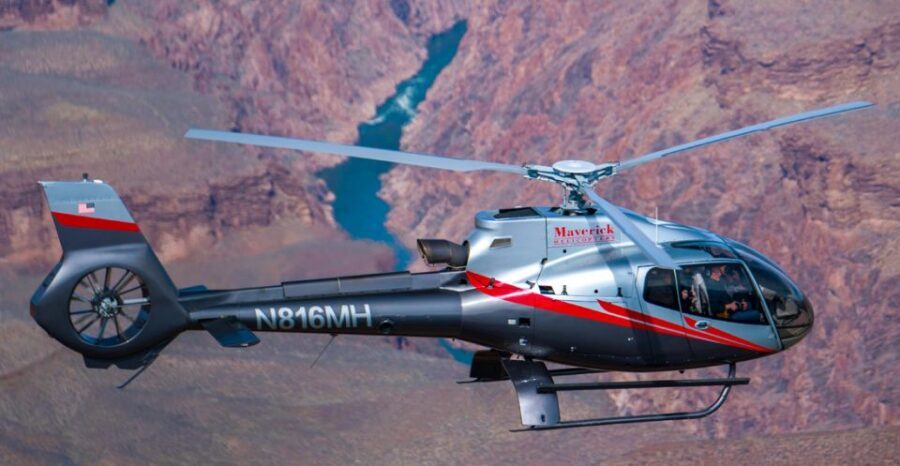
The listing says 30 minutes total, and the flight time is about 25 minutes. That gap sounds small, but it’s real. You’ll spend most of your “time on this experience” in two chunks: getting checked in and settled, then the actual aerial window.
So here’s the practical expectation: if you’re hoping for a long, slow, sit-and-stare canyon moment, this isn’t that. This is a short, focused canyon hit—ideal when you have limited time or you don’t want to hike down to get closer views.
The tour operates in a small group, limited to 7 participants, which helps. Fewer people means you’re more likely to hear your English narration clearly without constant background chaos. Also, the flight is likely to feel more personal because the aircraft isn’t packed.
Kaibab National Forest to the Dragon Corridor: the moment the canyon changes everything
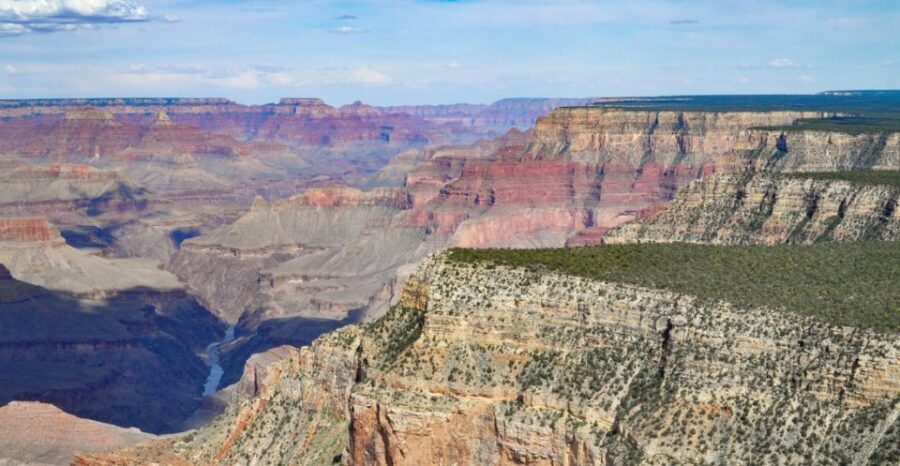
The transition is part of the fun. You start with Kaibab National Forest views—tree patterns, open slopes, and that rim-country feel. Then you move toward the canyon’s main drama: the Dragon Corridor, the widest and deepest part.
As you fly through this section, you get two effects at once:
- You see depth from above, which makes switchbacks and overlook photos look flat.
- You get a wider canyon frame, because this part of the canyon is described as the widest.
This combo can make the canyon feel more dimensional than you expect. From ground level, your brain tries to estimate distance and drop. From the air, your perspective does the math for you. The canyon becomes a physical space rather than just a view.
And the tour includes the geology highlights you want for understanding, not only visuals. Watching for landmarks like Tower of Ra and Vishnu Schist gives you a storyline you can follow while the flight moves. If you’re the kind of person who likes to know why a view looks the way it does, you’ll enjoy the payoff here.
A quick note on narration: the experience includes a live tour guide in English, and the pilot also provides information during the flight. One recent passenger even called out Forrest as an amazing pilot and specifically thanked the team for adjusting plans when weather looked like a problem. That’s a good sign that the human component matters, not just the aircraft.
Over the Colorado River toward the North Rim: a view you can’t fake from the ground
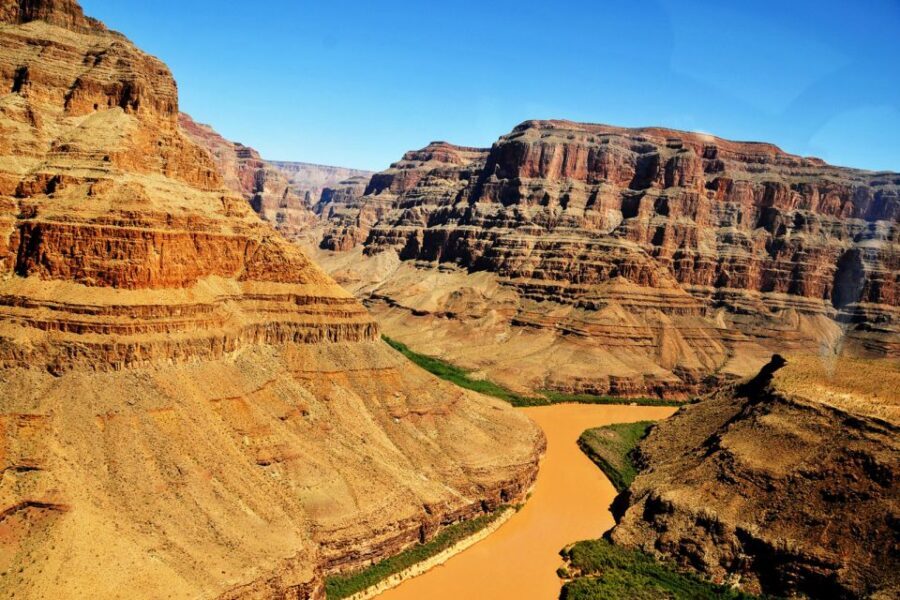
After the canyon’s center section, the route heads over the Colorado River toward the North Rim. This is one of those pieces that feels instantly meaningful the moment you spot the river running through the canyon.
On the ground, you can see river sections, but the full idea of the river cutting the canyon often takes effort. From the air, the river acts like a visual anchor line. You can follow it across the canyon floor area and start to understand how water shapes what you see above it.
The North Rim angle is also valuable because many classic Grand Canyon photos focus more on one rim’s viewpoints. This flight gives you a different kind of framing—another perspective on the same world-famous spot. The North Rim is described as one of the Seven Natural Wonders of the World (as part of the broader Grand Canyon messaging), and seeing it from this direction makes it feel like a separate world within the same canyon system.
And because you’re in the air, you’re not just looking at what’s closest to the helicopter. You’re seeing how the canyon spreads out across distances. That’s why the Colorado River toward the North Rim is such a strong finale: it gives the view a clear through-line.
ECO-Star helicopter comfort: why the seat and glass matter more than you think
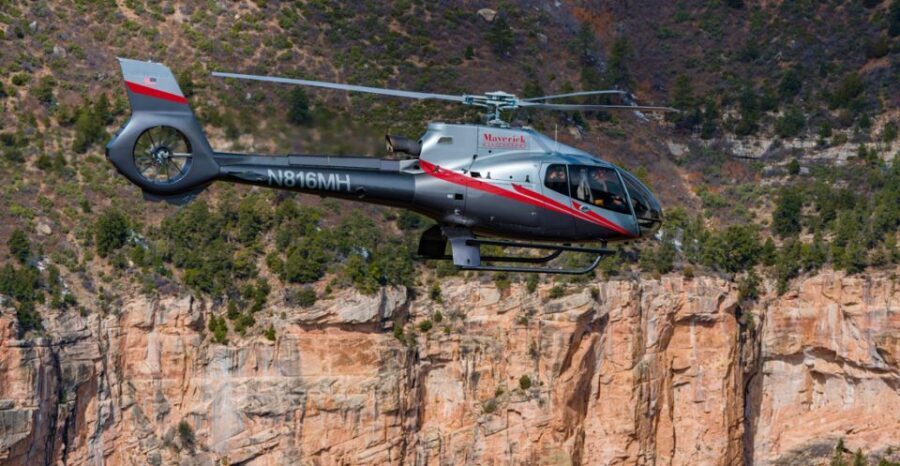
Short flights only feel great if you can actually see well. This tour leans into that with wraparound glass and individual leather seats. It sounds like standard marketing until you’re inside the cabin. When you can see cleanly to multiple sides, the flight stops being one-direction “look out the window” sightseeing. Instead, you’re able to track the canyon’s shape as it changes during the route.
Noise reduction is also part of comfort, and it’s mentioned for both inside and outside. In practical terms, it helps you hear the narration better and keeps the flight from feeling like constant ear struggle. You’ll still want to dress for cooler air up high and be prepared for engine noise, but the overall experience is designed to feel less harsh than older helicopter cabins.
Seats are assigned based on legal weight and balance limits, and they’re not guaranteed together. That detail can affect groups. If you’re traveling with someone you care about sitting side-by-side with, you’ll want to remember that assigned seating is based on safety constraints, not friendship.
Weight also matters for purchasing an extra seat: passengers weighing 275 lbs or more must purchase an additional seat. And the tour isn’t suitable for people over 300 lbs. If either of these apply, plan early so there are no surprises.
Group size and the vibe: small numbers, clearer narration
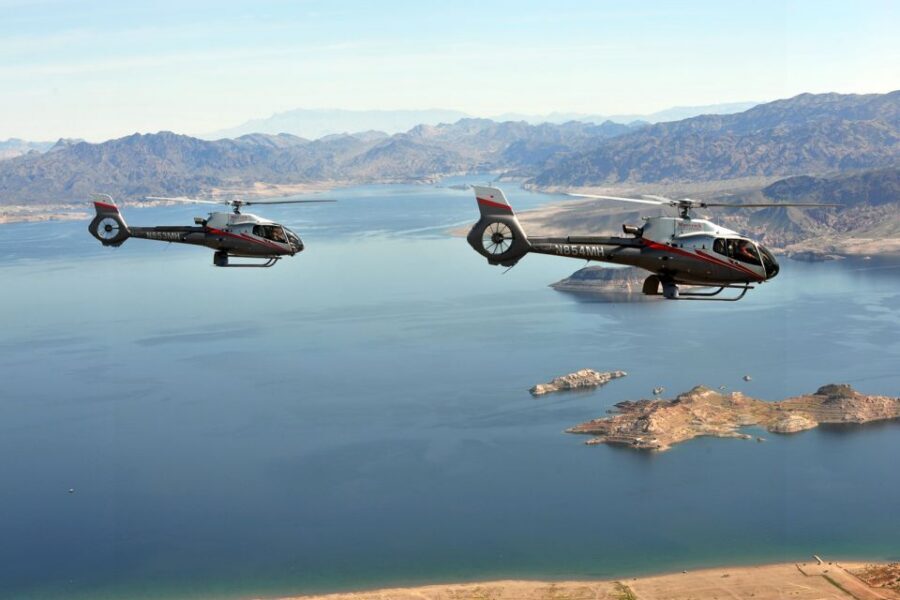
This tour is limited to 7 participants, which is the sweet spot for many people who want a guided experience without feeling trapped in a big crowd. You get the sense that everyone can hear and focus. In a small cabin, your group size directly impacts your ability to pay attention.
The tour guide is English-speaking. The most praised aspect in the feedback you provided is the quality of the pilot and the information offered during the flight. One person specifically mentioned the pilot’s information and called the pilot amazing; another thanked the pilot Forrest for a fabulous tour. That kind of specific praise is usually a sign that the narration isn’t random facts. It’s timed to what you can see.
If you like learning while you see, this format is a good match.
Who this Grand Canyon Dancer flight is best for
This is a top pick for:
- People with limited time who still want major canyon views.
- Visitors who want the canyon’s scale without hiking.
- Anyone who values geology context and appreciates names like Tower of Ra and Vishnu Schist.
- Couples or solo travelers who like a small-group experience.
It’s not a match for:
- Wheelchair users (not suitable).
- Children under 18 (not suitable).
- People over 300 lbs.
Also, don’t plan on bringing much with you. The tour prohibits luggage or large bags, and it bans pets and smoking. It also bans selfie sticks, plus food and drinks.
If you’re the kind of traveler who likes to pack snacks for long days, this is one of those tours where you should plan to eat before or after—because inside the helicopter, the rules are strict.
Price and value: is $309 for a short flight a good deal?
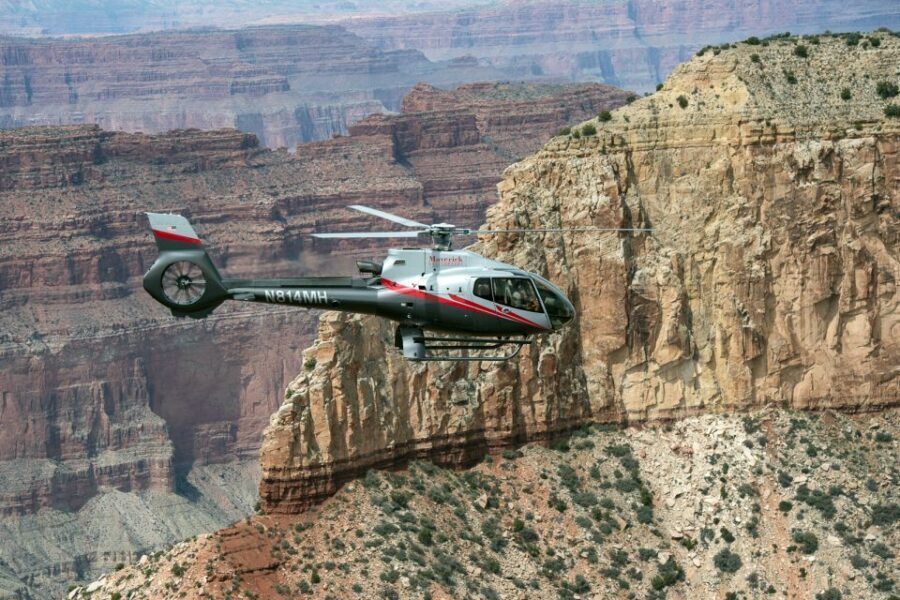
At $309 per person, this isn’t a budget activity. Helicopters cost money. You’re paying for two things: access and perspective. The Grand Canyon is already impressive from the rim, but an aerial route gives you a different kind of understanding—especially with this tour’s specific focus on the Dragon Corridor and the Colorado River toward the North Rim.
Here’s how I think about value:
- If you have only a couple of hours in the Grand Canyon area, $309 can feel reasonable because you’re buying a fast route to “big canyon” views without an all-day plan.
- If you’re the type who will remember the story of what you saw (rock layers, landmark names, the river line), you’re getting more than seat time. You’re getting guided interpretation during the flight.
- If you’re expecting an all-day canyon experience, you’ll feel the price less justified. It’s brief, and you’ll want something else on the ground too.
Small group size (up to 7) also adds value. You’re not paying just for a helicopter; you’re paying for a calmer experience in a cabin where everyone can pay attention.
Weather reality: why you should be ready to adapt
Helicopter flights depend on conditions. That’s not a guess—it’s why the experience includes a rule that flights must be reconfirmed 72 hours prior to departure.
You also have a human factor at play. One passenger shared that when the weather was very poor and rain was in the forecast, they messaged the company to shift the tour by one day, and the request was accepted. That’s encouraging, because it suggests the team isn’t only focused on checklists. They can be flexible when weather makes flying uncertain.
What you can do: be realistic about timing and keep your schedule adjustable if possible. If your trip has only one Grand Canyon window, build in a little cushion. That way, if conditions push things around, you’re not stuck with a broken plan.
Rules that affect your comfort (and how to plan around them)
The smoothest flight day comes from following the rules without stress. Here are the key ones that directly shape your experience:
- Bring the right ID: all passengers 18 and older must bring a government-issued photo ID. The rules are strict: a REAL ID–compliant driver’s license or a valid passport is required. Photocopies or digital images aren’t accepted.
- Arrive early: check-in must be at least 30 minutes prior. Late arrivals can be denied without refund.
- No selfie sticks: the cabin is set up for safety and visibility.
- No food or drinks inside.
- No large bags: keep what you bring small.
If you like taking photos, the selfie-stick ban can feel like an annoyance, but it’s also part of what keeps the aircraft cabin workable for everyone’s visibility.
Should you book the Grand Canyon Dancer 25-minute helicopter tour?
I’d book this if you want a high-impact Grand Canyon view in a short time and you’ll actually use the narration to connect what you see to real features like the Dragon Corridor, the Colorado River route, and named rock formations such as Tower of Ra and Vishnu Schist.
I’d hesitate if you’re chasing a long sightseeing session. This is a quick flight that gives you scale and perspective, not a slow, wandering canyon day. Also, make sure you fit the limits: no wheelchairs, no kids under 18, and weight rules that may require an extra seat.
FAQ
How long is the helicopter flight?
The tour includes a 25-minute helicopter flight, with a total duration listed as 30 minutes.
Where is the meeting point for the South Rim tour?
Meet at 107 Corsair Dr., Grand Canyon, AZ 86023. Arrive at the terminal 30 minutes prior to flight time.
What ID do I need for check-in?
All passengers 18 and older must bring a government-issued photo ID, either a REAL ID–compliant driver’s license or a valid passport. Photocopies or digital images are not accepted.
Is this tour wheelchair accessible?
No. The tour is not suitable for wheelchair users.
What can’t I bring on the helicopter?
Pets, smoking, luggage or large bags, selfie sticks, food, and drinks are not allowed.
Do I need to reconfirm my flight time?
Yes. Flights must be reconfirmed 72 hours prior to departure.
Can I cancel for a full refund?
Yes. You can cancel up to 3 days in advance for a full refund.