REVIEW · GRAND CANYON NATIONAL PARK
Grand Canyon South Kaibab Day Hike
Book on Viator →Operated by The Desert Hiking Company · Bookable on Viator
You can’t fake these canyon views.
This South Kaibab Trail hike starts at Yaki Point and sends you down a ridge for wide-open panoramas that feel different from the usual paths. I especially love how the itinerary hits named viewpoints like Ooh Aah Point and Cedar Ridge without feeling like a cattle chute, and I like that lunch and snacks are built in so you’re not scrambling mid-descent. One possible drawback: it’s only “moderately strenuous” on paper, but the return climb can still feel legit if you’re not used to steep switchbacks.
The best part is the mix of scenery and on-the-ground guidance. You get a licensed, certified guide who adjusts pace for the group, shares geology, botany, and history, and keeps you safe on uneven footing.
With a maximum group size of 7, you also get enough attention to ask questions and stop for photos without derailing the whole day. Just know that bottled water and the park entrance fee aren’t included, so you’ll want to plan for those costs.
In This Review
- Key things that make this hike worth your time
- South Kaibab from Yaki Point: why this route feels special
- The day’s flow: Yaki Point down, viewpoint stops, then the climb back
- What included really buys you: lunch, snacks, poles, and a pack
- Your guide makes the canyon feel understandable
- Pacing, safety, and thunderstorms: the canyon’s real-world rules
- Price check: what $270 covers, and what you still pay for
- Practical tips for your packing and trail comfort
- Who should book this South Kaibab day hike
- Should you book the Grand Canyon South Kaibab Day Hike?
- FAQ
- How long is the Grand Canyon South Kaibab day hike?
- Where do we meet for the tour?
- What time does the tour run?
- What’s included in the price?
- Do I need to bring bottled water?
- Is the park entrance fee included?
- How big is the group?
- What is the cancellation policy?
Key things that make this hike worth your time
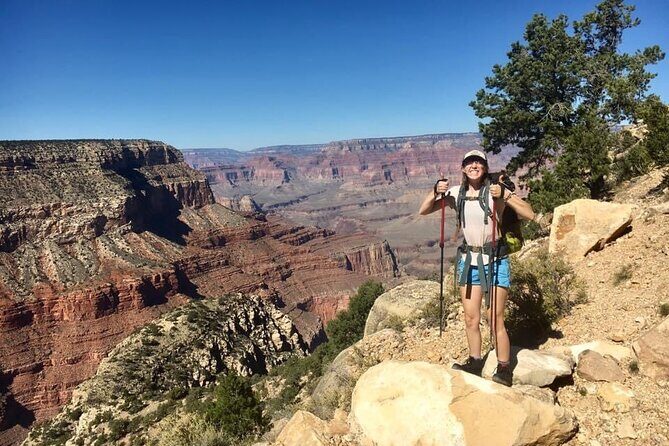
- Start at Yaki Point for big ridge views early in the day
- Iconic stops like Ooh Aah Point, Cedar Ridge, and possibly Skeleton Point (pace permitting)
- Small group size (max 7) so pacing stays human
- Provided trekking poles and backpack to help you move comfortably
- Lunch plus snacks included so you can focus on the canyon, not logistics
- Licensed, certified guides who tailor the day and keep safety front and center
South Kaibab from Yaki Point: why this route feels special
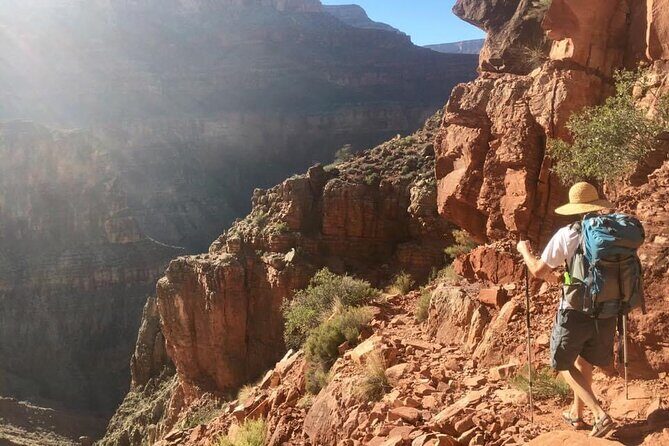
I like this hike because it’s built around one of the canyon’s most satisfying hiking styles: the ridge-to-view rhythm. Starting at Yaki Point means you get the canyon reveal early, and the trail’s ridge line gives you sweeping vistas that don’t require you to wait hours for the good stuff.
The South Kaibab Trail is also a classic for a reason: you see layers of the canyon as you descend, and you keep getting “new angles” as you move. That matters because Grand Canyon views are not one-and-done. The light changes, the distance shifts, and suddenly the same spot looks completely different 20 minutes later.
I also like that the experience isn’t just cardio. Your guide is there to connect the scenery to what’s happening in the rocks and plants around you. On previous outings, guides such as Lewis, Chris, Louis, and Josh have been praised for pointing out fossils and even petroglyphs you’d likely miss on your own.
The tradeoff with this route is honest: it’s not a gentle stroll. If you’re expecting level ground, the canyon will correct your expectations fast.
You can also read our reviews of more tours and experiences in Grand Canyon National Park.

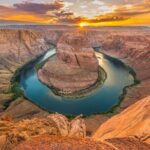
The day’s flow: Yaki Point down, viewpoint stops, then the climb back
Plan on about 6 hours total. That’s long enough to feel like a real hike, but short enough that you can still enjoy your Grand Canyon day without committing to an overnight trip.
Here’s the typical rhythm you’ll follow:
- You start at Grand Canyon National Park with the group, then head out along the ridge trail from Yaki Point.
- As you descend, you’ll make time for key overlooks, including Ooh Aah Point and Cedar Ridge.
- Depending on pace and preferences, you may also reach Skeleton Point.
- Midway through the hike, you’ll stop for lunch or a picnic-style break and then turn back.
One useful way to think about this hike is that the hardest part is often the return. In one recent outing, Chris led a group about 4.5 miles down toward the Havasupai Gardens area, and the uphill return brought around 3,300 feet of elevation gain. Another group reported closer to five miles of hiking. Your exact distance and elevation feel will vary with the group pace and how far you go, but you should mentally prepare for a climbing workout.
You’ll also get moments to linger. More than once, guides have built in enough breathing room that groups had time for photos and a peaceful pause with the canyon around them. In at least one experience, the hike ended with a sunset moment from inside the canyon—exactly the kind of payback that makes the effort feel worth it.
What included really buys you: lunch, snacks, poles, and a pack
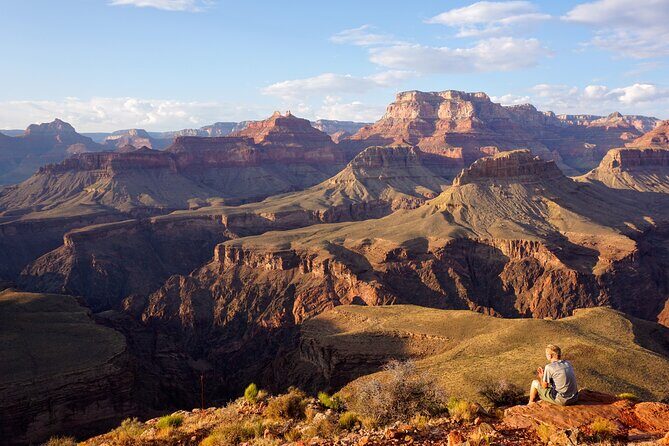
For $270 per person, the value isn’t just the guide. It’s the stuff that keeps you moving comfortably.
Here’s what’s included:
- Lunch
- Snacks
- Backpack and trekking poles
- A licensed and certified guide
In practice, trekking poles are a big deal on steep descents and stubborn footing. They help you control your speed and take pressure off your knees on the downhill. The included pack also saves you from hunting for a daypack at the last minute.
The included food matters too. Grand Canyon hikes can mess with timing because you’re always taking photos or stopping for viewpoints. Having lunch and snacks arranged means you don’t risk hitting the wall and then trying to improvise.
Two things to keep in mind:
- Bottled water isn’t included, so bring or buy water.
- Your park entrance fee isn’t included, so budget that separately.
Also, a small but smart point: because the guide is handling the breaks and pacing, you can focus on enjoying the trail rather than managing every detail yourself.
Your guide makes the canyon feel understandable
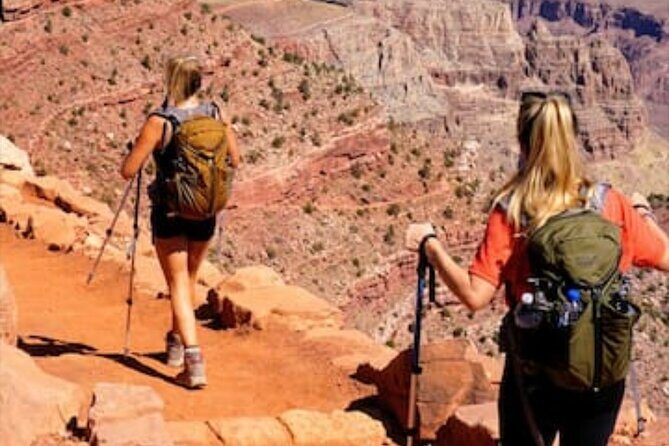
A good guide changes the hike from I’m seeing stuff to I’m understanding stuff. This tour is built around that idea. Guides are licensed and certified, and they’re there to share what you’re looking at—geology, botany, and history—while also keeping the group together safely.
You’ll also see flexibility. In one outing, Chris helped a couple adjust plans after thunderstorm concerns, including suggesting an early start around 6:00 AM to reduce exposure to afternoon weather. On another outing, Lewis was described as working with the group to choose options that matched their preferences and then maintaining a steady, comfortable pace.
Even if you’re a confident hiker, that kind of coordination helps. It means fewer moments of “Are we going the right way?” and more time for “Look at that.” And with a maximum group size of 7, you’re not lost in the shuffle.
If you love learning from the landscape while you hike, this is where you’ll feel the value. If you hate talking and want total silence, you’ll still get control of your pace and photo stops—but it’s not designed as a silent hike.
Pacing, safety, and thunderstorms: the canyon’s real-world rules
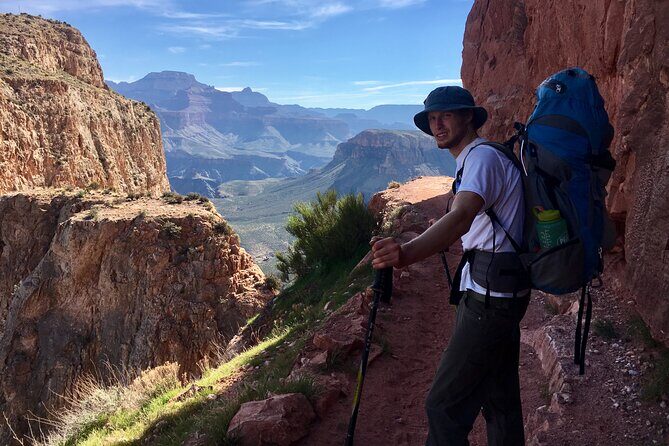
Moderately strenuous sounds calm. The canyon is not calm. The South Kaibab can be steep, exposed in places, and very weather-sensitive.
This is why I like that the tour emphasizes safety and hydration and adjusts pace to the group. A smaller group makes that easier, and the guides have shown they can respond to conditions. The thunderstorm story isn’t just drama. It’s practical: if weather shifts, starting earlier can help you stay ahead of afternoon storms.
Before you go, do the basics:
- Wear good hiking shoes with traction.
- Bring more water than you think you need, since bottled water isn’t included.
- Expect some uphill work that will slow your legs, even if you’re fit.
You should also consider the “moderately strenuous” label as a spectrum. Fitness level matters, but so does your comfort with steep terrain. If you’re new to elevation, go slow on the descent and focus on steady steps.
One more note: this hike can be photo-heavy. That’s good. Just don’t let “quick stops” become a marathon of standing around, because the climb back won’t care about your camera roll.
Price check: what $270 covers, and what you still pay for
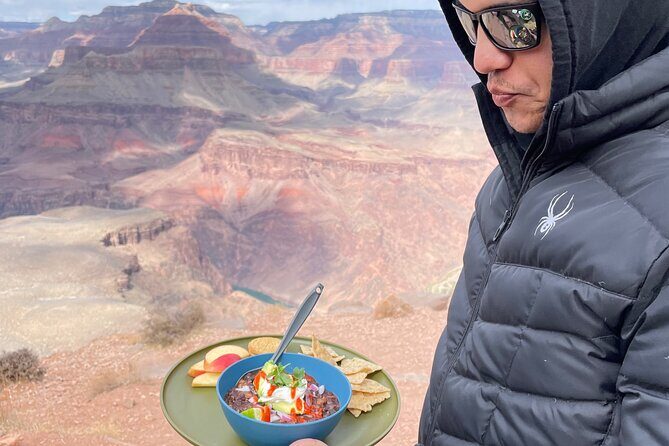
Let’s be honest: $270 is not a budget hike. But this price isn’t just “someone to walk with you.” You’re paying for:
- A licensed, certified guide
- Lunch and snacks
- Backpack and trekking poles
- A small group experience (max 7)
- Mobile ticket convenience
For some people, paying for guided logistics is exactly the point. Grand Canyon hiking can be confusing, and the cost of getting it wrong is time, energy, and sometimes comfort.
Now the tradeoffs you should factor in:
- Park entrance fee isn’t included. You’ll need to handle that separately.
- Bottled water isn’t included. Bring your own plan.
- Gratuity for the guide isn’t included, so you should think about that ahead of time.
If you were planning to DIY, you’d likely still need poles, a daypack, snacks, lunch, and the brainpower to choose the right route and timing. This tour converts all of that into a guided package—at a price.
For me, the value lands best if you want (1) fewer logistics hassles, (2) a guide who explains what you’re seeing, and (3) a pace that fits your group without constant decision-making.
Practical tips for your packing and trail comfort
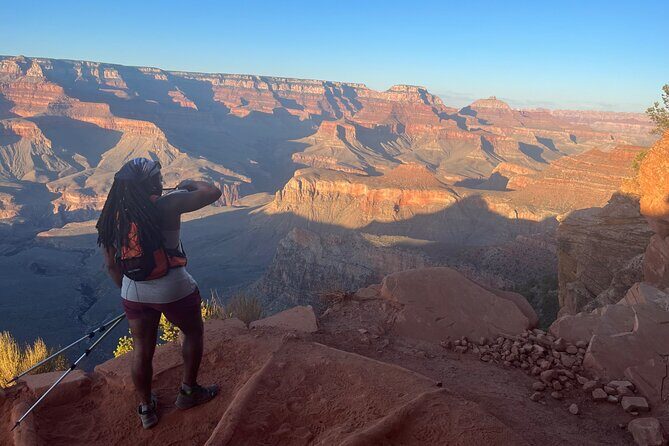
You don’t need to overpack, but you do need to show up ready. Since bottled water isn’t included and the climb back can be tough, I’d plan like this:
Bring:
- A refillable water bottle (and enough capacity for your needs)
- Sun protection (hat, sunscreen, sunglasses)
- Light layers (canyon temperatures can shift)
- A small snack you’re happy with as backup, even though lunch and snacks are included
Wear:
- Shoes with grip for rock and uneven steps
- Comfortable socks you’ve worn before
The poles and backpack are handled for you, which reduces the usual “what if I forget something” stress.
One more practical move: if you’re sensitive to heat or storms, ask your guide about timing preferences when you book. In one recent experience, Chris recommended an early 6:00 AM start to avoid afternoon showers, and that kind of proactive planning can make a huge difference.
Who should book this South Kaibab day hike
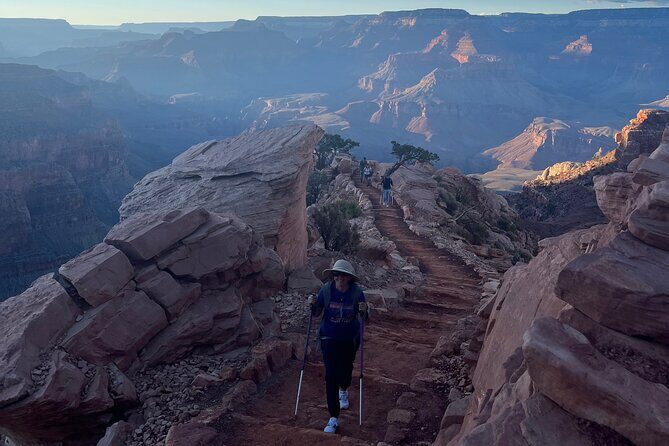
This hike fits best if you want a guided Grand Canyon experience that mixes big views with real interpretation.
You’ll probably love it if:
- You’re excited by ridge-line panoramas and iconic viewpoints like Ooh Aah Point and Cedar Ridge
- You want a small group and a guide who can adjust pace
- You’d rather pay than spend your day managing logistics
- You want explanations of geology, botany, and history while you hike
You should think twice if:
- You’re not comfortable with steep uphill return after a descent
- You want a minimalist, no-chat nature walk
- You don’t want to plan for extra costs like water and entrance fees
Should you book the Grand Canyon South Kaibab Day Hike?
I’d book it if you’re aiming for the classic Grand Canyon highlights with less stress and more context. The best reason is value in the real sense: poles, a pack, lunch, snacks, and a certified guide all reduce the “DIY friction” that can turn a great day into a complicated one.
I’d skip it if you want a low-effort hike or if you’re on a shoestring budget and you don’t want to add entrance fees and water costs. Also, if you know you struggle with elevation, you can still hike—but you’ll want to be honest about your comfort level.
If you book, take it seriously in a good way: wear the right shoes, bring water, and go slow on the way down so you can enjoy the canyon on the way back up.
FAQ
How long is the Grand Canyon South Kaibab day hike?
It runs for about 6 hours on average.
Where do we meet for the tour?
The meeting point is 6 S Entrance Rd, Grand Canyon Village, AZ 86023, USA. The tour ends back at the meeting point.
What time does the tour run?
Tours are listed with opening hours from 8:00 AM to 1:00 PM, Monday through Sunday.
What’s included in the price?
The tour includes lunch, snacks, a backpack and trekking poles, and a licensed and certified guide.
Do I need to bring bottled water?
Yes. Bottled water is not included.
Is the park entrance fee included?
No. The entrance fee is not included.
How big is the group?
The maximum group size is 7 travelers.
What is the cancellation policy?
You can cancel for a full refund up to 24 hours before the experience starts. If you cancel less than 24 hours in advance, the amount paid is not refunded.