REVIEW · LAS VEGAS
Las Vegas: Valley of Fire and Red Rock Canyon Day Trip
Book on GetYourGuide →Operated by JNS Just Never Stop LLC · Bookable on GetYourGuide
Desert dawn makes Vegas feel far away. This day trip uses Sunrise at Valley of Fire as its superpower, when orange sandstone glows and the park feels quiet enough to hear your own footsteps. I also love stopping at Atlatl Rock for 4,000-year-old petroglyphs, because it gives the scenery real meaning. The one drawback is that Red Rock Canyon gets a shorter time window, so plan on photo and viewpoint time rather than a long, hiking-heavy visit.
The guide is a big part of the value. On different days you might ride with a guide like Janos (or others such as Adam or Victor), and the consistent theme is that they talk you through what you’re seeing and help you get the shot. You’re not just dropped off with a map; you get direction, timing, and photography coaching, with English/Hungarian live guiding plus an audio guide option in the same languages.
Hotel logistics are handled in a simple way: hotel pickup and drop-off on the Las Vegas Strip, plus park entry fees, water, and snacks. At $148 per person for an 8-hour outing, it adds up fast if you were to drive yourself, pay entrances, and manage timing on your own.
In This Review
- Key highlights at a glance
- Why Valley of Fire and Red Rock Canyon are a great two-park combo
- The sunrise start: why going early changes everything
- Valley of Fire highlights: Elephant Rock, Cabins, Rainbow Vista, and more
- Atlatl Rock petroglyphs: history you can actually stand next to
- Red Rock Canyon in about 40 minutes: make it a photo mission
- What to pack and how to dress for desert temperatures
- Van ride, group flow, and photo help from your guide
- Price and value: is $148 fair for this day trip?
- Who should book this tour, and who should skip it
- Final verdict: should you book the Valley of Fire and Red Rock Canyon day trip?
- FAQ
- How long is the Las Vegas Valley of Fire and Red Rock Canyon day trip?
- Is hotel pickup and drop-off included?
- What is the main sunrise stop on this tour?
- Do we see petroglyphs during the tour?
- How much time is spent at Red Rock Canyon?
- What’s included for food and drinks?
- Is this tour suitable for everyone?
Key highlights at a glance
- Valley of Fire sunrise: the calm morning light is the whole point of going early
- Atlatl Rock petroglyphs: 4,000-year-old carvings on the orange rock
- Icon stops: Elephant Rock, Cabins, and Rainbow Vista keep the day visually packed
- Two off-the-beaten-path viewpoints: your guide scouts extras beyond the usual pull-offs
- Photo-first guiding: the guide is focused on helping you frame pictures, not just recite facts
- Red Rock Canyon is brief: about 40 minutes for a quick scenic hit after Valley of Fire
Why Valley of Fire and Red Rock Canyon are a great two-park combo
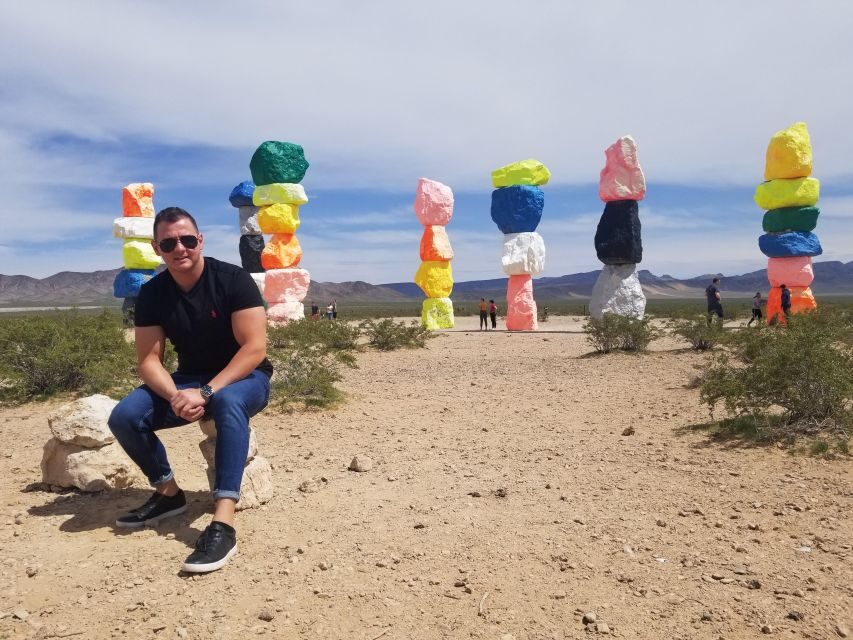
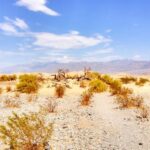
Valley of Fire and Red Rock Canyon feel like they belong to the same desert world, but they don’t give you the same experience. Valley of Fire is raw and otherworldly, with bold orange rock shapes that look like they’ve been carved by time and weather rather than hands. Red Rock Canyon, in contrast, is more about dramatic views and fast, scenic pull-offs that you can enjoy even if you don’t want a long trek.
Putting them together makes sense because you’re already out in the desert for the morning. You get the heavier “wow” moment at Valley of Fire, then you roll into Red Rock for a second dose of scenery before heading back to the Strip. That means you’re not losing your whole day to just one park, and you’re not stuck choosing between history and scenery.
This is also a smart way to avoid the most common Vegas trap: spending more time figuring out driving routes and parking than actually enjoying the parks. With return transfers from the Strip, your day stays focused on viewing and walking when it’s worth it.
You can also read our reviews of more tours and experiences in Las Vegas


The sunrise start: why going early changes everything

The tour is built around an early departure so you reach Valley of Fire before crowds build up. That early timing isn’t just about comfort. It changes the mood of the whole place. When you arrive early, the park feels quieter, and the colors shift fast as the sun rises over those sandstone formations.
You also get the benefit of a guide who can pace the stops. Instead of sprinting from viewpoint to viewpoint, you’re guided to the “best light now” moments—plus you’re given enough time to walk a bit, look closely, and photograph without feeling rushed. In desert parks, a few extra minutes can mean a lot. Shadows lengthen, colors deepen, and details in rock textures show up more clearly.
You should also know that the day is early and you’re in the Mojave desert for a while. That’s great for the sunrise payoff, but it means you’ll want to be prepared for whatever the weather is doing. In summer it can be extreme heat; in winter it can get cold. Dress in layers and bring the basics your guide asks for—comfortable shoes, sunglasses, sunscreen, and camera time.
Valley of Fire highlights: Elephant Rock, Cabins, Rainbow Vista, and more
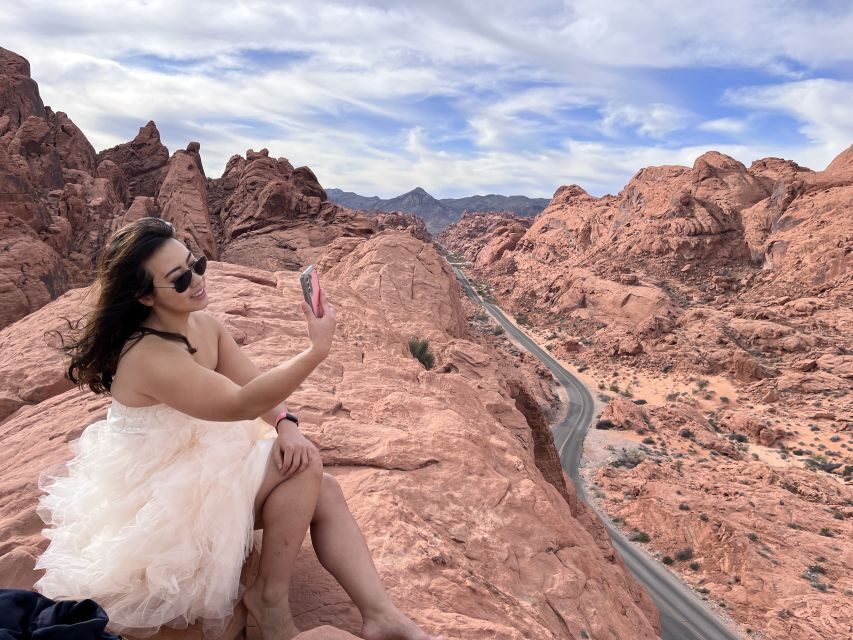
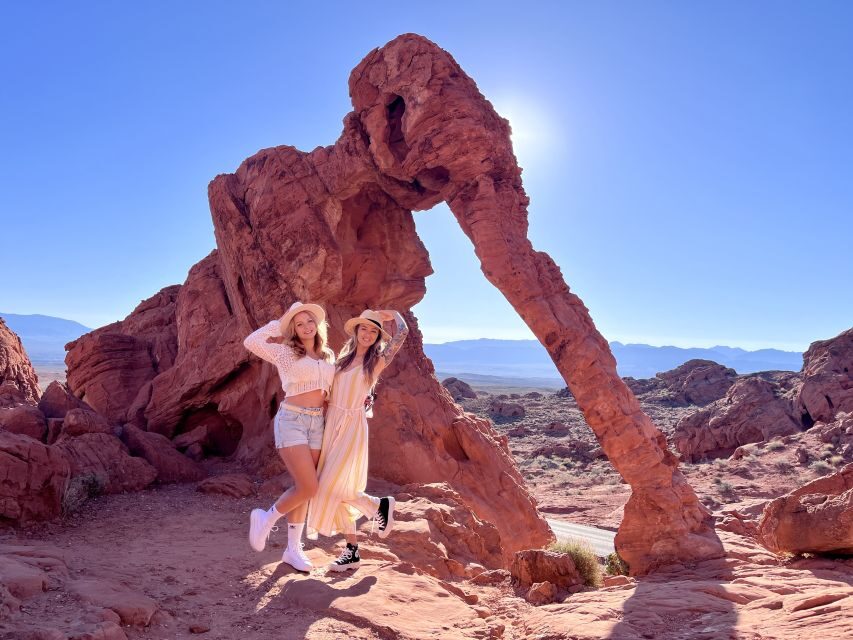
Valley of Fire is the main event, and you hit multiple iconic spots that make sense for a guided day. Elephant Rock is one of those stops where the shape really catches your eye right away. It’s the kind of photo location where you see the formation from different angles, and the best one often depends on the time of day and how the light hits the rock.
Cabins is another memorable viewpoint. The name sounds playful, but in person it feels like the desert is showing off. These types of formations are where you start to see the “why” behind the park’s reputation. The rocks look sculpted, and the textures look ancient rather than just old.
Rainbow Vista adds variety. After bright oranges and reds, you get a different angle and different color tones that help break up the monotone that sometimes happens when you only see one stretch of desert. It’s also a helpful moment for slowing down: you can step back, take in the wider view, and let the guide’s commentary give you context before you move on.
The tour also includes time for photo stops and short walks, plus extra “scout out” stops where the guide takes you off the beaten track. The description specifically calls out two hidden spots beyond the standard pull-offs. That’s a real value-add because it reduces the chance you’ll see only the most obvious locations that everyone else photographs from the same parking-lot perspective.
Atlatl Rock petroglyphs: history you can actually stand next to
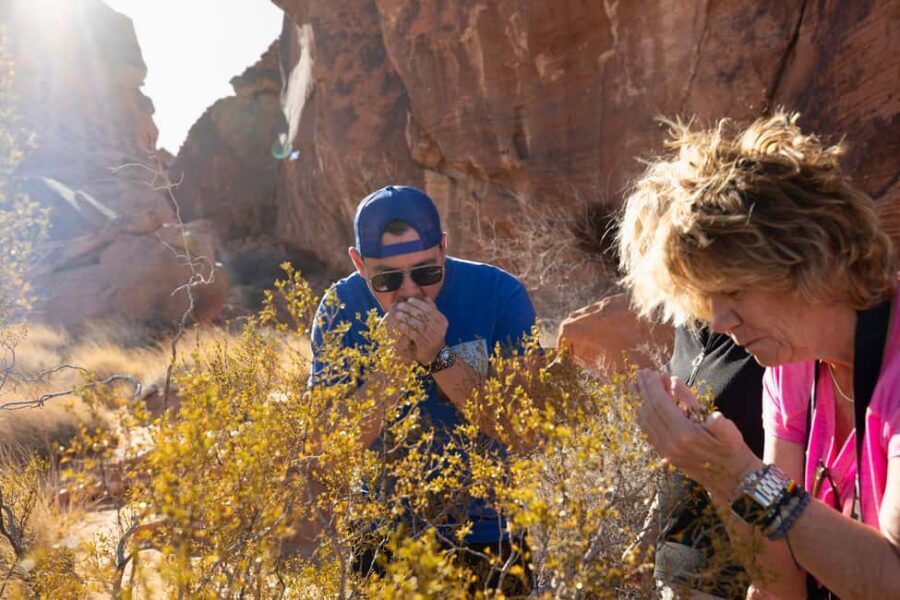
If you like your desert sightseeing with a side of human history, this is the moment. The tour includes a stop to see 4,000-year-old petroglyphs carved into Atlatl Rock. Standing near ancient carvings changes how you look at the land. Suddenly you’re not just admiring rock shapes; you’re seeing evidence of people who were there long before the modern era and left marks that lasted.
This stop works because it doesn’t feel like a lecture. You’re given commentary as you travel, and then you reach the rock itself. You can look up close, take photos, and spend a few minutes just absorbing what’s in front of you. For many visitors, that’s the stop that turns Valley of Fire from pretty scenery into something more memorable.
It’s also one of the best reasons to go with a guide rather than trying to self-drive. A driving-only plan can get you to viewpoints, but you might miss what the guide points out—especially around specific rock features and where to stand for the best visibility.
The guide’s desert stories also include wildlife context. The tour description notes amazing wildlife, and the desert does have a habit of showing you something if you’re patient—like desert bighorn sheep if conditions are right. You shouldn’t count on it every day, but your odds are better when you’re not rushing and you’re paying attention.
Red Rock Canyon in about 40 minutes: make it a photo mission
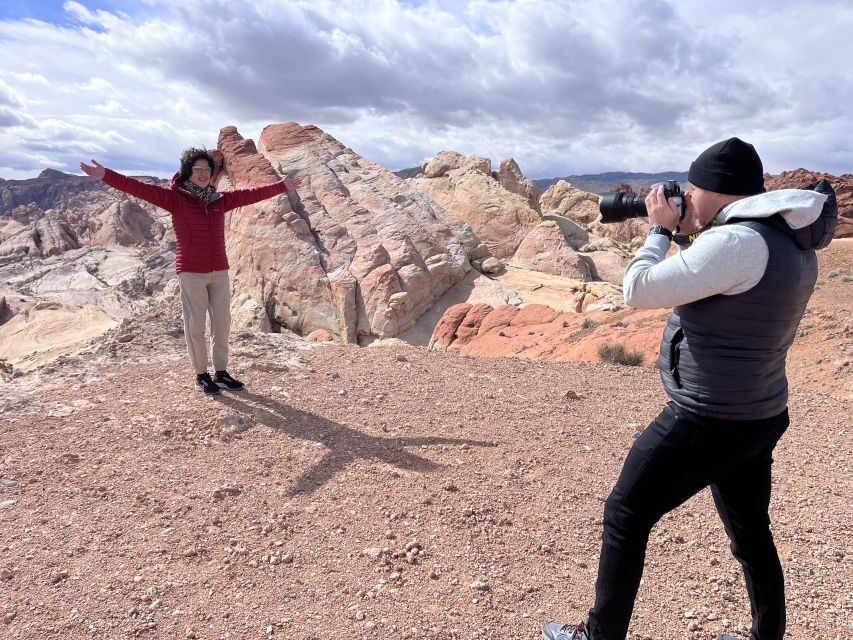
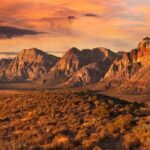
After Valley of Fire, you head to Red Rock Canyon National Conservation Area. The time here is intentionally shorter—about 40 minutes—so I treat this as a quick, scenic reset rather than a full adventure. If you want long hikes, save those for a separate trip. Here, the goal is viewpoints, photos, and a breath of fresh desert air before you roll back toward Las Vegas.
In that limited window, you’ll want to move efficiently when the van stops and listen for what the guide recommends. Some spots will offer immediate, wide-angle views. Others might involve short walks for a slightly better angle. The guide’s job is to decide what’s worth your time, and that’s exactly what you want in a day like this.
Even with a shorter visit, Red Rock Canyon still feels like a real park. The “gem of the Mohave desert” phrasing fits because the views look polished and dramatic, especially when you catch the angle where the rock bands show clearly. It’s one of those places where you can take several photos without feeling like you’re wandering for an hour.


What to pack and how to dress for desert temperatures

This is a desert day, so the right clothing matters. Comfortable shoes are non-negotiable because you’ll do walks and short hikes at the stops. Closed-toe shoes help keep your feet happy if the ground is rough or warm.
Bring sunglasses and sunscreen. The tour includes water and snacks, but you still need sun protection. A camera is a good idea, because the day is built around photo stops and you’ll want to take advantage of sunrise light at Valley of Fire.
Wear weather-appropriate clothing. The tour info warns you can swing from extremely hot in summer to cold in winter. Layers solve a lot of problems: a light jacket for morning chill and then something you can shrug off later.
Also, plan for no alcohol and no drugs. The rules are clear: you shouldn’t bring alcohol or alcoholic drinks into the vehicle, and this is one of those trips where your comfort and safety depend on keeping things straightforward.
Van ride, group flow, and photo help from your guide
The van transfer is part of what makes this feel easy. You’re picked up from the Las Vegas Strip in a set of many possible hotel locations, then dropped back in the same general area. Drivers wait no longer than 10 minutes past the scheduled pickup time, so set yourself up to be ready when they arrive.
Once you’re moving, the group flow is built around stop-and-go viewing. That matters because desert parks punish slow planning. If you want to wander, you can, but the guide keeps you moving at the right pace so you still hit the key points without cutting your time.
Photo help is a big recurring theme in the experience. Guides like Janos/Jonas, Adam, or Victor are described as strong photographers who take care with positioning and patience. If you’re traveling as a couple, solo, or with kids, this kind of photo assistance is a real comfort. You don’t have to hand your camera to strangers and hope for luck. You can focus on being present while the guide handles framing ideas and timing.
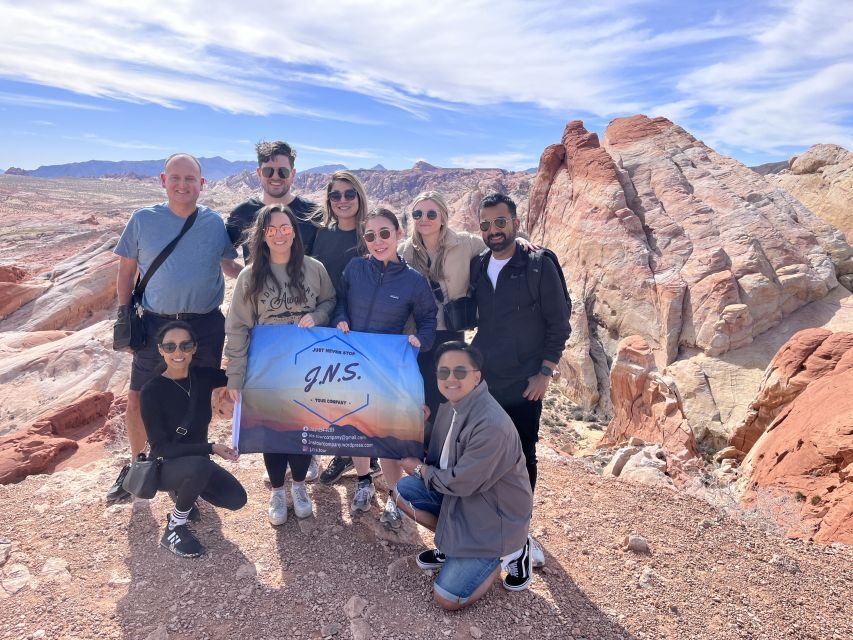
Group size can feel small on some departures. One group report mentions only seven people, and another mentions two couples. Small-group energy often means less waiting and more attention at viewpoints. Even when the group is larger, the guide’s “everyone gets water and snacks” approach keeps it functional.
One practical note: some seats can feel a little cramped if you have long legs, so if you’re tall, try to sit where you’ll be most comfortable for the ride segments.
Price and value: is $148 fair for this day trip?
At $148 per person for an 8-hour outing, you’re paying for more than driving. You’re paying for the guide’s scouting and timing, park entry fees, and the logistics that let you focus on the parks instead of the drive.
Here’s how I judge value for a trip like this:
- Park fees are included, which you’d otherwise pay separately.
- Water and snacks are included, so you’re not spending your time searching for convenience stores once you’re out in the desert.
- The guide’s photography help and the extra “off-the-beaten-path” stops are where self-driving trips often fall short. You can reach famous lookouts on your own, but it’s harder to reach two lesser-known points and time sunrise-light moments without local scouting.
Is it “cheap”? No. But it can still feel like a good deal when you compare it to the real cost of doing the same day yourself: car rental, gas, parking, and the risk of losing daylight because you guessed wrong on timing.
If your goal is to get the best of Valley of Fire plus a taste of Red Rock without renting a car, this price is pretty easy to defend.
Who should book this tour, and who should skip it
This tour fits best if you want guided desert time with photo stops and short walks, and you don’t want the stress of driving and parking. It’s also a good pick if you care about sunrise and want your day planned around light and visibility rather than a loose schedule.
You should also consider your mobility. The tour isn’t suitable for wheelchair users. There’s also a strict note that it’s not for people over 95 years. If you’re unsure, check with the provider before booking.
If you’re a hardcore hiker, you might find the walking portions light rather than long. The Red Rock stop is brief by design, and Valley of Fire includes photo and viewpoint time that isn’t built around marathon trails.
If you’re the type who likes learning while you look—then you’ll probably appreciate the guide commentary tied to specific features like Atlatl Rock petroglyphs.
Final verdict: should you book the Valley of Fire and Red Rock Canyon day trip?

If you want one strong desert day from Las Vegas that prioritizes sunrise and meaningful stops, I think this is a solid booking. Valley of Fire is the main draw, and the petroglyph visit at Atlatl Rock adds depth that turns it from a photo outing into a story you can remember.
Go in with the right expectations: Red Rock Canyon is short. You’re there for viewpoints and photos, not for a big hiking day. If that works for you, you’ll enjoy the pacing and the fact that you’re not driving yourself.
If you hate early starts, this will feel like homework. If you like desert quiet in the morning and want someone else handling the timing and photography angles, this is exactly the kind of day trip you’ll be glad you booked.
FAQ
How long is the Las Vegas Valley of Fire and Red Rock Canyon day trip?
The tour duration is 8 hours.
Is hotel pickup and drop-off included?
Yes. Hotel pickup and drop-off are included from the Las Vegas Strip, with pickup available anywhere on the Strip. The provider contacts you the day before to confirm details.
What is the main sunrise stop on this tour?
You get Sunrise at Valley of Fire State Park.
Do we see petroglyphs during the tour?
Yes. The tour includes petroglyphs at Atlatl Rock, described as 4,000 years old.
How much time is spent at Red Rock Canyon?
The Red Rock Canyon stop is about 40 minutes.
What’s included for food and drinks?
Park entry fees are included, along with water and snacks.
Is this tour suitable for everyone?
No. It is not suitable for wheelchair users and it is not suitable for people over 95 years.