REVIEW · PAGE ARIZONA
Antelope Valley: Upper Antelope Deer Canyon Tour
Book on GetYourGuide →Operated by Ligai Si Anii Tours 2 DBA Antelope Valley Canyon Tours · Bookable on GetYourGuide
Stairs, shadows, and slot-canyon magic. The Antelope Valley Upper Antelope Deer Canyon Tour takes you into Deer Canyon, where narrow passages and rock textures turn sunlight into moving patterns. It’s a guided walk with a real sense of getting away from the crowds.
What I like most is the balance of beauty and storytelling. Guides such as Wally and Julia don’t just point out formations; they share Navajo context and help you slow down long enough to notice how the canyon changes as the light shifts. I also love the photo help—more than one guide focuses on giving you better angles, including guidance for shooting on an iPhone.
One thing to consider before you book: this is not a casual stroll. Expect stairs, uneven ground, and tight spaces, and the tour isn’t suitable for people with claustrophobia (or children under 6).
In This Review
- Key Things to Know Before You Go
- Deer Canyon vs the Famous Antelope Canyon Look
- Meeting at Ligai Si’ Anii and What the Guide Does First
- The 135-Foot Descent: Why Deer Canyon Feels So Close-Up
- Light, Shadows, and Photo Time That Actually Helps
- Stairs, Narrow Spaces, and How to Plan Your Comfort
- Duration and Pacing: Why 2 Hours Can Feel Like Plenty
- Price, Fees, and Whether This Is Good Value
- Who Should Book This Tour (and Who Should Skip It)
- Should You Book the Upper Antelope Deer Canyon Tour?
- FAQ
- How long is the Upper Antelope Deer Canyon tour?
- Where do I meet my guide?
- Is this tour suitable for children?
- Is the tour okay for people with claustrophobia?
- What extra fees should I budget for?
- What should I bring?
Key Things to Know Before You Go
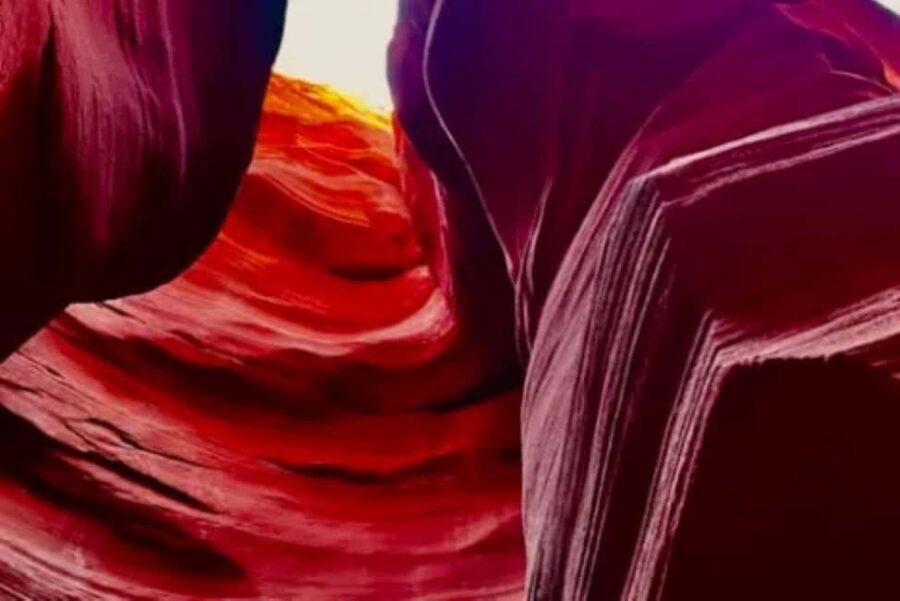
- Deer Canyon focus: this tour is centered on Deer Canyon, not the most famous Antelope Canyon look
- 135-foot stair descent: you’ll go down (and you’ll go back up)
- Small-group feel: the pacing is calmer than the big, fast-moving canyon crowds
- Photo coaching: guides help you frame shots, including smartphone tips
- Navajo cultural stories: expect heritage and land significance woven into the walk
Deer Canyon vs the Famous Antelope Canyon Look
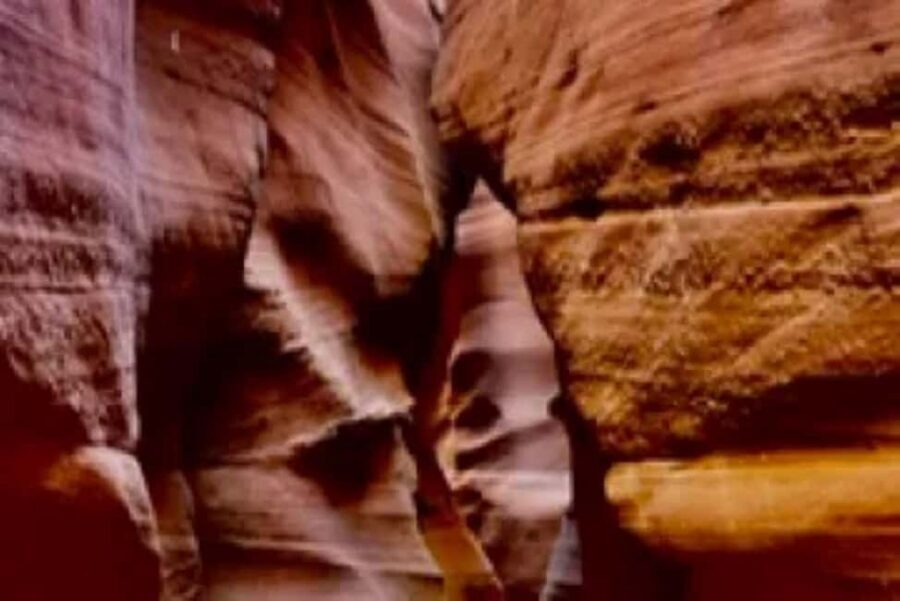
The name of this experience can be a bit confusing at first. Even though it’s marketed as an Antelope Valley tour, the actual canyon you’re going into is Deer Canyon. If you’re hoping for the exact look you’ve seen online from other Antelope Canyon areas, you may find Deer Canyon feels different—often more secluded, with its own pacing and character.
That difference is part of the appeal. Deer Canyon has a “step into another world” feel because you’re moving through tighter passageways and getting time to linger at photo spots. In other words: you’re not just chasing pictures. You’re learning the canyon’s rhythm—how light changes the farther you go.
If you want the quickest, most famous, always-crowded photo circuit, this may not be the right match. But if you want a guided walk that still feels active (stairs included) and more human-paced, Deer Canyon is a strong choice.
You can also read our reviews of more tours and experiences in Page Arizona.



Meeting at Ligai Si’ Anii and What the Guide Does First
You meet your guide at Antelope Valley Canyon Tours – Ligai Si’ Anii, then head out to start the walk. Plan to arrive about 15 minutes early. That small buffer matters because you’ll want to be settled, hydrated, and ready to go before the canyon portion begins.
Once you’re with the guide, the tone is practical and friendly. The tour is English-language, and guides tend to mix navigation with explanations—what you’re seeing and why it matters. Names you might meet include guides such as Mike, Marjorie, John, Ron, Joanne, Amelia, Wally, and Julia, and many of them also bring strong photo instincts.
This early stage is when you’ll figure out the pace. If you’re unsure about your hiking comfort, bring it up at the start. One guest noted that a guide adjusted the tour to better fit a recent knee replacement, so it’s worth letting your guide know where your limits are.
The 135-Foot Descent: Why Deer Canyon Feels So Close-Up
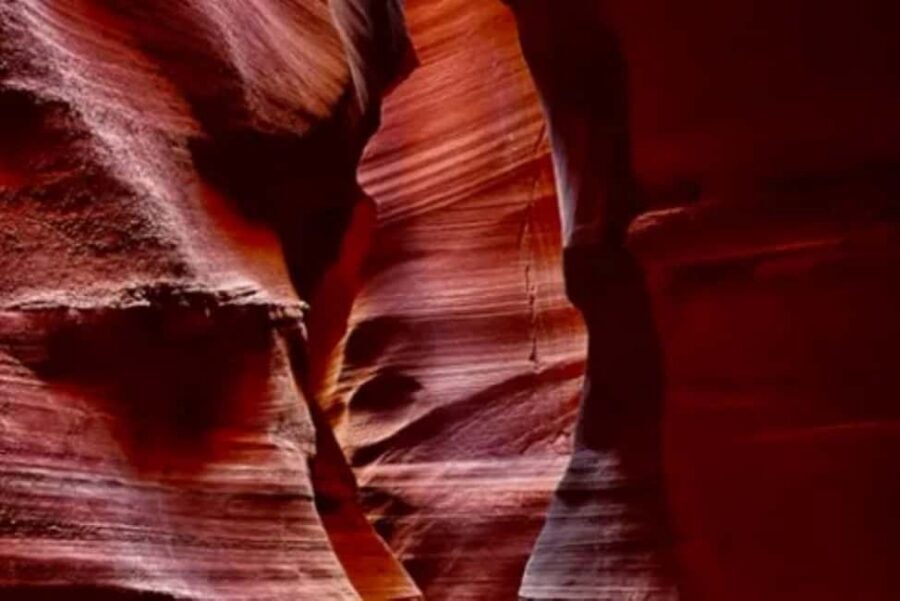
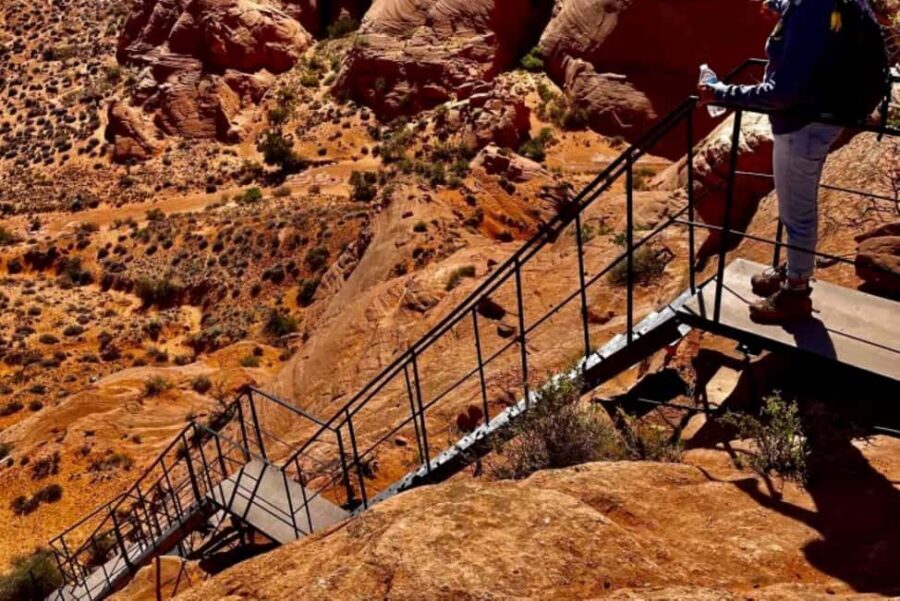
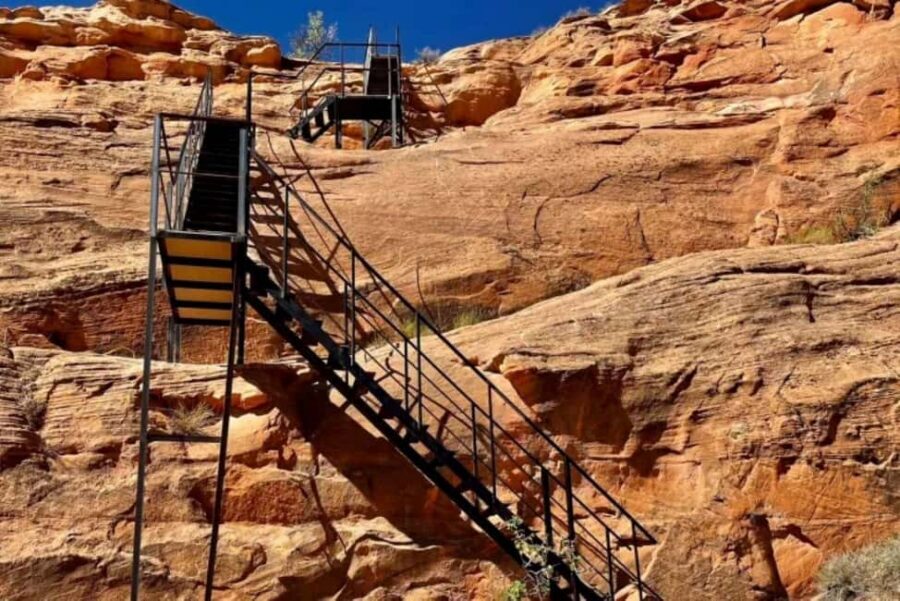
The heart of the experience is the physical wow: you descend a 135-foot stairway into the canyon. That’s a lot of stairs in a short, guided window, so treat it like a workout component, not a scenic stroll.
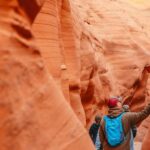
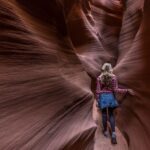
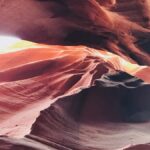
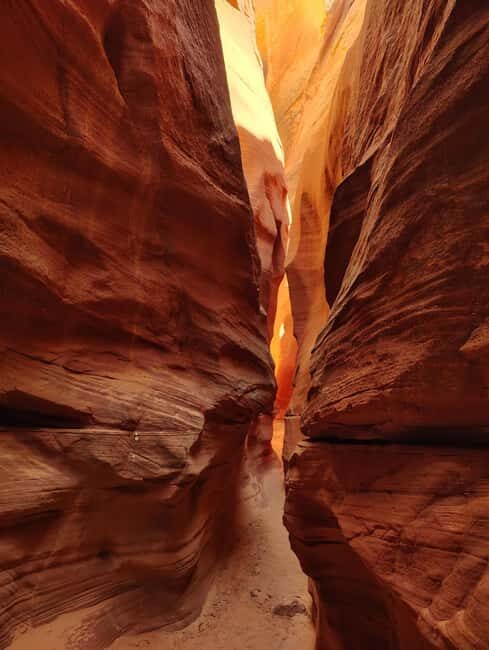
As you get lower, the canyon walls rise around you. You’ll move through narrow passageways with towering rock formations and detailed geological textures. The beauty comes from the combination of tight space and shifting light. Sunbeams hit angled surfaces, shadows deepen, and the canyon’s colors can look different from one turn to the next.
This is also where Deer Canyon earns its calm reputation. The tour is described as having a smaller-group feel compared with more commercialized options. For you, that translates into less rushing. It means your guide can slow down at the spots that matter, and you can spend a little more time taking photos—without feeling like you’re being pushed through a conveyor belt.
Light, Shadows, and Photo Time That Actually Helps
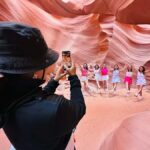
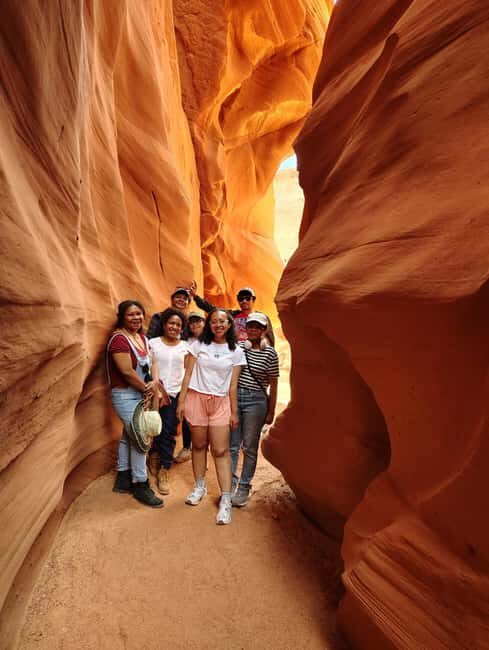
Slot canyons are photo magnets, but the difference is whether you know how to use the light once you’re inside. Guides here often help with that. People have praised guides for teaching photography tips and patiently helping with angles and framing.
One guide even focused on using iPhone techniques better, which is a nice reminder: you don’t need a big camera setup to get strong results. A well-timed photo spot and a steady hand often beat fancy gear.
Here’s the practical angle you can use: if you can choose your start time, late morning tends to offer good sun angles. One guest specifically recommended 10am to noon for pictures. Even without obsessing over timing, this is helpful because the canyon light changes as the day moves.
Also, expect you’ll be standing and stopping in tight spaces. Your best photos might be where you can brace, not where you can run. Let your guide show you where to stand; it’ll save you frustration.
Stairs, Narrow Spaces, and How to Plan Your Comfort
This tour is best described as moderate to more advanced hiking. That doesn’t mean you need athletic training. It does mean you should be ready for stairs and uneven footing, plus the reality of moving through narrow canyon segments.
So here’s your “don’t show up unprepared” checklist:
- Sturdy shoes with grip. Flip-flops and worn-out soles are a bad idea.
- Water. You’ll be walking, climbing stairs, and working against desert heat.
- Sunscreen. You’ll be exposed before and after the canyon portion.
- Camera (or phone). You’ll want it, and you’ll have chances to use it.
Wear comfortable clothing you can move in. Think layers if it’s cool in the morning and hot later, since desert conditions can shift.
If you’ve dealt with injuries, don’t guess. Tell your guide what’s going on early. Guides have shown they’ll work with guests when possible, but your safety comes first. If the canyon’s tight sections or stair effort feels risky for you, it’s better to self-select out than to fight through it.
And if you have claustrophobia, skip this one. The narrow spaces are part of the canyon’s magic, but they’re not forgiving.

Duration and Pacing: Why 2 Hours Can Feel Like Plenty
The tour runs about 2 hours, which is a sweet spot for most people. It’s long enough for the canyon descent, meaningful time inside, and a return, but short enough that you’re not stuck in the elements for half a day.
Pacing is part of why people rate this tour so highly. Multiple guides are described as accommodating, friendly, and attentive to questions. One guest even commented that they felt comfortably guided and left the canyon wonderfully exhausted, which is often the best kind of tired.
Small-group or less crowded conditions also change how the time feels. If you’re not constantly waiting for the next group in front of you, you can actually enjoy the walk rather than just complete it.
Price, Fees, and Whether This Is Good Value
At $104 per person, this tour isn’t the cheapest way to experience slot canyons—but it can be good value for the package you’re buying. You get a guided tour plus admission to the canyon, and the guide component matters here. A good guide helps you read the canyon, move safely, and get better photos.
Plan for extra fees that aren’t included in the base price. The information you’re given lists:
- an $8 Navajo Permit Fee
- a $15 per person Navajo Nation Park fee, paid separately
So your real budget is the ticket price plus those add-ons. That said, these fees are part of why the experience exists in the first place: access is managed, and the guiding effort is supported.
If you’re the type who wants a quick canyon photo sprint at the lowest cost possible, this might not feel worth it. But if you care about (1) being guided through tight terrain and (2) getting cultural context from a Navajo guide, the cost starts to make more sense.
Who Should Book This Tour (and Who Should Skip It)
This tour is a great fit if:
- you’re comfortable with a 135-foot stair descent
- you like guided explanations while you walk
- you want time for photos without feeling constantly rushed
- you enjoy Navajo stories and understanding land significance, not just scenery
You should think twice or skip it if:
- you have claustrophobia
- you’re traveling with children under 6
- stairs and narrow areas are a concern for your health or mobility
The best way to decide is to be honest about your hiking comfort. If you can handle stairs and don’t mind tight spaces, you’ll likely feel rewarded fast. If you can’t, the canyon’s most magical parts will feel like pressure instead of wonder.
Should You Book the Upper Antelope Deer Canyon Tour?
I’d book this tour if you want a guided Deer Canyon experience with a calmer feel and real attention to photos and storytelling. The 2-hour format is practical, and the guides—people like Julia, Wally, and John—are repeatedly praised for being helpful, flexible, and good at explaining what you’re seeing.
I would not book it if you’re sensitive to tight spaces or you’re expecting something close to flat, easy walking. Here, the canyon is the attraction, and the canyon includes stairs.
If you’re ready for a workout-lite adventure with strong guide support, this is the kind of Arizona slot-canyon trip that turns into a memorable afternoon rather than a checklist stop.
FAQ
How long is the Upper Antelope Deer Canyon tour?
The tour lasts about 2 hours.
Where do I meet my guide?
You meet at Antelope Valley Canyon Tours – Ligai Si’ Anii.
Is this tour suitable for children?
It’s not suitable for children under 6 years old.
Is the tour okay for people with claustrophobia?
No. It’s not suitable for people with claustrophobia.
What extra fees should I budget for?
The information you’re given says an $8 Navajo Permit Fee is required and a $15 per person Navajo Nation Park fee is required, and both are not included in the tour price.
What should I bring?
Bring comfortable shoes, water, sunscreen, and a camera (or phone for photos).