REVIEW · PAGE ARIZONA
Page: Rattlesnake and Owl Slot Canyon Tour
Book on GetYourGuide →Operated by Black Streak Canyon Tours LLC. · Bookable on GetYourGuide
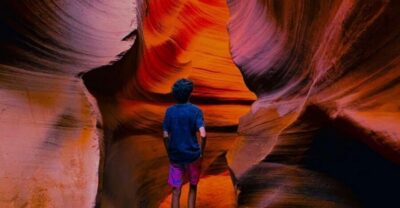
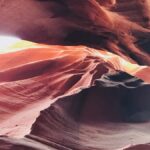
Slot canyons, minus the chaos. This guided tour through Rattlesnake and Owl Slot Canyons turns tight red-rock corridors into a real light-and-shadow show, with sunbeams pouring in from narrow openings above. I like that the guide doesn’t just point the way, they also help you slow down, notice the canyon details, and snag great photo spots.
The best part is the mix. Rattlesnake Canyon brings narrow passageways and some climbing over rocks, while Owl Slot Canyon feels more open and easier to pace. One heads-up: Rattlesnake can be tough if you don’t handle tight spaces, ladders, or uneven footing well, and the tour isn’t suitable for wheelchair users or people with claustrophobia.
In This Review
- Quick hits before you go
- Why Rattlesnake and Owl Slot Canyons Feel Special
- What the 105-Minute Tour Really Includes
- Rattlesnake Canyon: Narrow Passages, Ladders, and Real Footwork
- Owl Slot Canyon: Easier Moves and Bigger Sense of Space
- The Light Show: Sunbeams, Timing, and Photo Advice That Helps
- Learning on the Walk: Navajo Culture, Ecology, and Geology
- Price and Value: Is $90 Worth It?
- Who This Tour Suits Best (And Who Should Skip)
- Practical Gear Checklist (So You Don’t Regret It)
- Choosing the Right Slot Canyon Day for You
- Final Call: Should You Book This Tour?
- FAQ
- How long is the Rattlesnake and Owl Slot Canyon tour?
- How much does the tour cost?
- Is the tour guided?
- What language is the guide?
- When is the tour offered?
- What should I bring?
- What items are not allowed during the tour?
- Is the tour suitable for wheelchair users or people with back problems?
- Is the tour suitable for claustrophobia?
- What’s the cancellation and payment flexibility like?
Quick hits before you go
- Sunbeams from the rock ceiling make the canyons look almost staged
- Rattlesnake Canyon includes challenging, narrow sections with ladders and rock moves
- Owl Slot Canyon is generally easier, with no ladders
- Navajo culture, ecology, and geology come from your live guide
- Photo help is part of the job, with tips on where to stand and how to frame shots
- Quieter than big-name slot tours can happen, especially on less busy runs
Why Rattlesnake and Owl Slot Canyons Feel Special
If you’ve done other Arizona slot canyons, you already know the drill: red rock, tight turns, and sudden views that feel too cinematic to be real. What makes this combo tour stand out is the contrast. You start in Rattlesnake where the canyon pinches down and the walking gets hands-on. Then you shift to Owl Slot Canyon, where the space opens up and your guide can zoom out to talk about scale, geology, and the bigger story of the area.
This is also a tour where the guide’s role matters. The difference between a good and great slot canyon guide is usually one thing: do they help you see what’s there? In strong runs, guides like Irene, Shelby, Lori, and Orin Yellowman focused on key moments—where to look for light patterns, how to handle the more challenging sections, and what to photograph along the way.
The other big perk is time. At 105 minutes, you get a meaningful canyon dose without blowing half your day.
You can also read our reviews of more tours and experiences in Page Arizona.



What the 105-Minute Tour Really Includes
This is a guided walking experience with frequent breaks, so you’re not stuck rushing from one photo moment to the next. Expect a moderate pace that still respects how slot canyons force your body to move—careful steps, short squeezes, and occasional scrambling.
The tour’s flow is simple:
- You begin with Rattlesnake Slot Canyon, moving through narrow passageways and over rocky areas.
- You then continue into Owl Slot Canyon, where the canyon widens and feels less technical.
- Throughout, your guide stops you at spots that matter—light effects, rock features, and points where they can explain what you’re looking at.
Even when the group is small or the tour feels private, the format stays the same: you’ll get enough time to catch your breath, rehydrate, and take photos without feeling herded.
Rattlesnake Canyon: Narrow Passages, Ladders, and Real Footwork
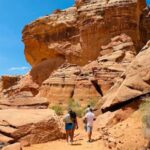
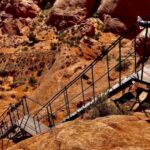
Rattlesnake Canyon is the reason this tour has a reputation. The canyon section is where you’ll do more of the work: navigating tight areas, climbing over rocks, and managing ladders in some parts. That’s not meant to scare you off—it’s just reality.
Here’s how to think about it. Slot canyons don’t care about fitness charts. They care about balance, sure footing, and comfort with narrow spaces. One review-style caution you should take seriously: Rattlesnake is described as challenging enough that you shouldn’t go if you have balance issues, fear heights, or struggle with tight squeezes. If you’re out of shape, the physical part adds up fast because there’s little room to “stride.”
What you’ll get in return is a canyon that feels more dramatic up close. The tight turns concentrate the light, and the canyon walls act like a natural frame—so when the sun hits, you get those sunbeam moments that look almost impossible.
Also, don’t expect the climb to be the same for everyone. If you can manage the step-by-step movements and you listen to your guide, you’ll likely handle it fine. If not, you’ll feel rushed, stressed, or stuck—none of those vibes help you enjoy the canyon.
Owl Slot Canyon: Easier Moves and Bigger Sense of Space
After the narrower, more technical start, Owl Slot Canyon tends to feel like relief. This section is described as easy to master, and importantly, it’s noted as having no ladders. That matters because ladders change the whole experience: you’re forced to focus on your hands and your footing, and the brain stops relaxing.
In Owl Slot Canyon, you’re still in a slot canyon—so it’s still tight enough to feel magical—but the pacing is calmer. You’ll have more chance to take in the towering red rock cliffs and the winding sandstone shapes. Guides use this part to shift from “how to move” to “what this place means,” which is where you’ll get more of the storytelling about the region.
This is a nice section if you’re traveling with mixed comfort levels. Even if Rattlesnake is intimidating for someone in your group, Owl tends to keep the mood positive because it feels more manageable and scenic.
The Light Show: Sunbeams, Timing, and Photo Advice That Helps
Slot canyons earn their fame for one reason: light. In both canyons, you’ll see the rock ceiling open in places, letting the sun cut in and create sunbeams. Those beams aren’t constant—you’ll notice them more when your guide times movement so you reach key spots at the right moments.
You can’t fully control the light, but you can be ready. Bring sunscreen and sunglasses if you use them, because you’ll get bright outdoor glare between shaded canyon stretches.
For photos, the key is placement and patience, not fancy gear. One standout theme from the guide-focused notes: guides actively help you find the best spots and explain how to frame shots. Even without getting technical about camera settings in every case, you’ll benefit from having someone tell you where to stand for the beam angles and how to shoot the narrow corridors without losing the scale.
Quick practical note: selfie sticks and tripods aren’t allowed, so plan to travel light. That pushes you toward handheld shooting and fast composition changes—exactly what slot canyons reward.

Learning on the Walk: Navajo Culture, Ecology, and Geology
This tour doesn’t just treat the canyons like a photo stop. Your guide shares history, ecology, and cultural significance of the area, and you’ll hear about Navajo culture as it connects to how people have lived and understood this landscape over time.
The most memorable guides in the notes—like Orin Yellowman and Irene—spent time on explanations and stories, not just “look left, look right.” That storytelling is valuable because it changes how you interpret the canyon. Instead of seeing “cool rock shapes,” you start noticing how geology forms the walls, how ecology adapts to the canyon rhythm, and how cultural meaning ties to place.
One extra thing to appreciate: the tour style makes learning easier because you’re hearing it while you’re standing in front of the feature being discussed. Your brain loves that. Your photos do too, because you’ll know what you’re capturing.
Price and Value: Is $90 Worth It?
At $90 per person for 105 minutes, you’re paying for something specific: a guided experience that covers two canyon environments and includes the guide’s interpretation plus the practical help in more challenging sections.
Here’s how that value makes sense:
- You get two distinct canyons in one outing: Rattlesnake (more demanding) and Owl (more open).
- The guide helps with the stuff you can’t easily DIY: safe movement through tighter sections and knowing where the light moments happen.
- You often get a quieter feel than the biggest, most crowded slot canyon names. Some tours run with very few people, which makes it easier to take your time and breathe.
If you hate crowds and you want a tour where you can actually enjoy the canyon instead of timing your photos between other groups, this tends to be a smart use of your time.
Who This Tour Suits Best (And Who Should Skip)
This one is best for people who can handle a physical outdoor walk with uneven footing and narrow sections.
It’s not suitable for:
- Wheelchair users
- People with back problems
- People with claustrophobia
Beyond the official limits, you should also read the vibe on Rattlesnake carefully. If you’re uncomfortable with heights, ladders, or squeezing through tight passageways, you may find the Rattlesnake portion stressful. Owl is generally described as easier, but the tour is still built around doing Rattlesnake first.
Who tends to love it?
- You want real canyon walking, not just a short boardwalk style stop.
- You like photography and appreciate photo guidance.
- You enjoy history and culture explanations and don’t mind pausing for them.
Practical Gear Checklist (So You Don’t Regret It)
This tour gives you a clear packing list. Use it. Don’t wing it.
Bring:
- Warm clothing (yes, even in Arizona; canyon temps can feel cooler, especially with shade)
- Water (you’ll want plenty)
- Sunscreen
- Closed-toe shoes with good grip
Leave at home:
- Pets
- Selfie sticks
- Tripods
- Bags
One more practical tip: wear clothes that let you move. Slot canyon walking often means using your balance in small spaces, and stiff clothing can turn a manageable scramble into a worse experience.
Choosing the Right Slot Canyon Day for You
This tour is usually available in the morning and afternoon, with English-speaking live guides. Timing can affect light and crowd levels, so if you want the canyon to feel calm, aim for a slot that typically fits your schedule without forcing you into the busiest hours.
Also, the canyon experience can’t guarantee everything you hope for in nature. For example, owl sightings have been noted as a possibility, but you can’t plan nature like it’s a theme park. If owls show up, it’ll be a bonus—if they don’t, the canyon light still delivers.
Final Call: Should You Book This Tour?
I think this is a great booking if your goal is a guided slot canyon experience with less crowd pressure and real storytelling. The Rattlesnake portion makes it feel like an adventure, not a drive-by, and the Owl Slot Canyon section gives you space to breathe and take everything in.
But don’t treat Rattlesnake like a casual stroll. If you’re dealing with claustrophobia, back issues, or you know you struggle with ladders, tight spaces, or balance challenges, this isn’t the right pick. In that case, you’ll be happier choosing a more straightforward canyon option.
If you match the fit, you’ll likely come away feeling like you saw two sides of slot canyons: the tight, dramatic one and the open, scenic one—plus you’ll understand more about the region than just the rocks.
FAQ
How long is the Rattlesnake and Owl Slot Canyon tour?
The tour duration is 105 minutes.
How much does the tour cost?
The price is $90 per person.
Is the tour guided?
Yes. You’ll have a live tour guide.
What language is the guide?
The tour guide speaks English.
When is the tour offered?
It’s usually available in the morning and afternoon.
What should I bring?
Bring warm clothing, sunscreen, water, and closed-toe shoes.
What items are not allowed during the tour?
Pets, selfie sticks, tripods, and bags are not allowed.
Is the tour suitable for wheelchair users or people with back problems?
No. It’s listed as not suitable for wheelchair users and people with back problems.
Is the tour suitable for claustrophobia?
No. It’s listed as not suitable for people with claustrophobia.
What’s the cancellation and payment flexibility like?
You can cancel up to 24 hours in advance for a full refund, and there is a reserve now & pay later option where you can book and pay nothing today.