REVIEW · LAS VEGAS
Las Vegas: BODIES | The Exhibition at the Luxor
Book on GetYourGuide →Operated by Distributor: GetYourGuide Tours & Tickets GmbH · Bookable on GetYourGuide
If human anatomy hits your curiosity button, this stops the clock. Bodies…The Exhibition at the Luxor turns the human body into a real, up-close walk-through. You’ll look at carefully preserved specimens and learn how major body systems work, all in a way that feels structured and readable.
I like two things right away: the sheer amount you get to see, including 13 whole-body displays, plus 260+ organs and partial specimens. I also like that the visit feels manageable for Vegas—well set up and not the kind of chaotic crowd crush you expect from the Strip.
One thing to consider before you go: cameras aren’t allowed, so you’ll need to rely on what you observe and the written information instead of saving photos for later.
In This Review
- Key highlights worth planning around
- Bodies…The Exhibition at the Luxor: what it feels like inside
- Your walk-through: how the exhibits are organized in practice
- 1) Entry and the first orientation moment
- 2) Whole-body specimens as your anchor points
- 3) Then comes the organ-and-part detail
- 4) The health impact section: lifestyle and disease comparisons
- 5) Final reading and pacing yourself
- What you actually learn: body systems you can picture later
- Skeletal system: the structure that makes motion possible
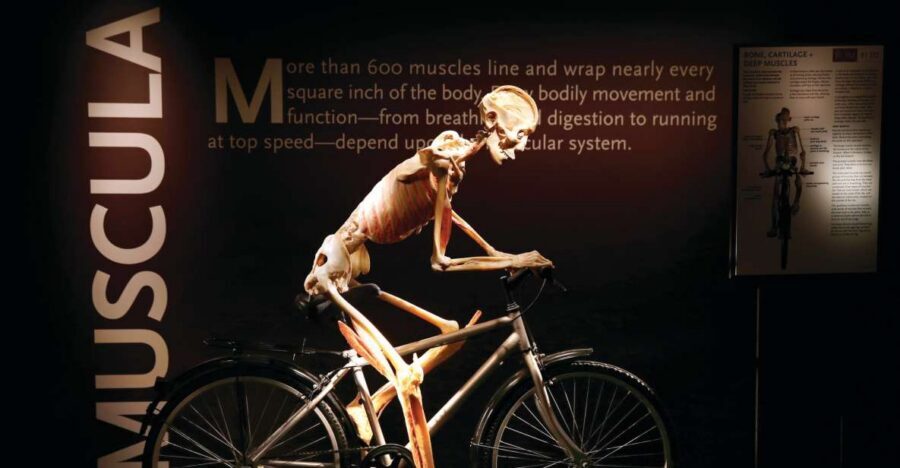
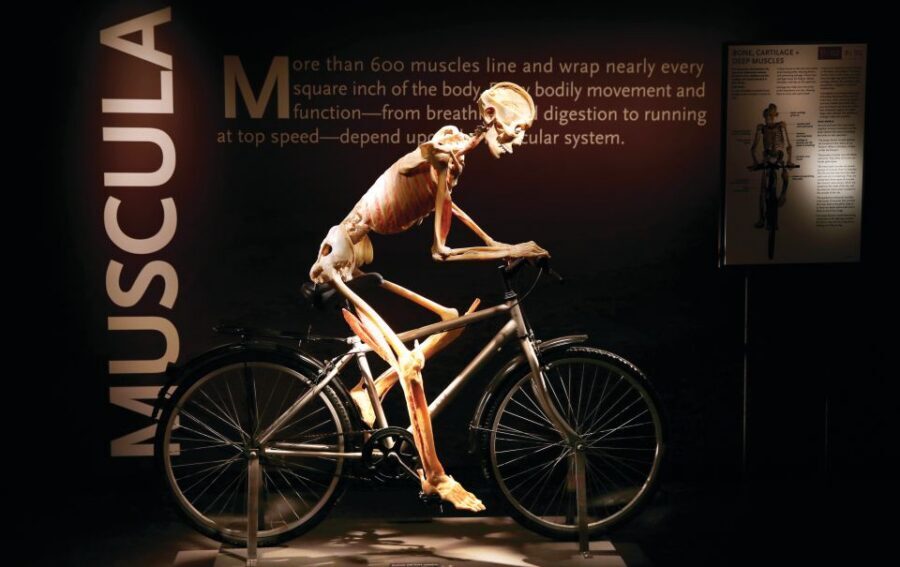
- Muscles: the engine behind movement
- Respiratory system: more than just lungs
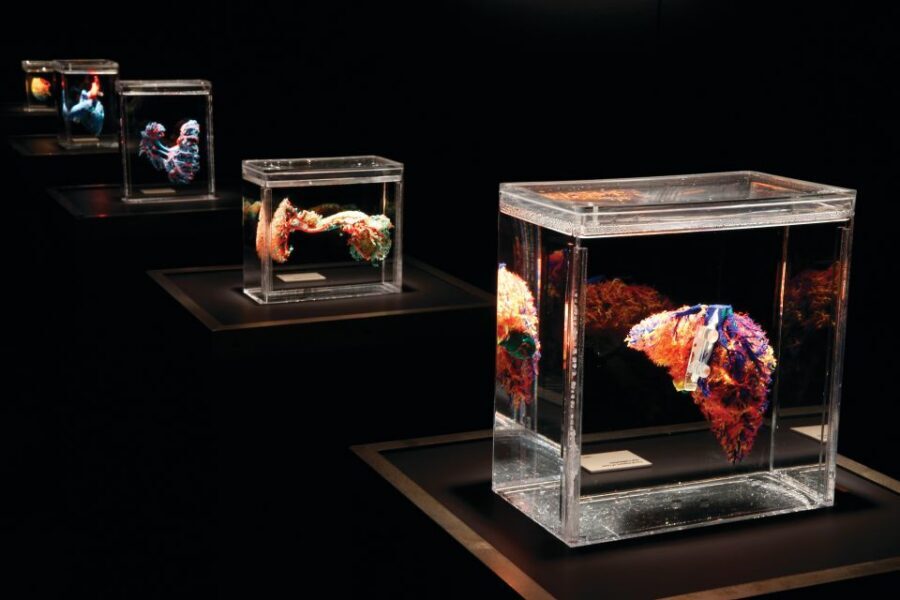
- Circulatory system: why it’s all connected
- The smoking and lifestyle lessons: why this exhibit hits harder than expected
- Timing in Vegas: how to choose your entry time
- Price and value: is $44 a good deal for what you get?
- Practical rules you should know before you arrive
- Who should book this, and who should rethink it
- Should you book Bodies…The Exhibition at the Luxor?
- FAQ
- What will I see at Bodies…The Exhibition at the Luxor?
- How long does the experience take?
- How much does admission cost?
- What time is the last admission?
- Does this ticket skip the line?
- Are cameras allowed inside?
- Can I smoke or bring luggage?
- Is the exhibit wheelchair accessible?
- Is it refundable, and can minors attend?
Key highlights worth planning around
- 13 whole-body specimens give you a full-body context, not just single organs floating in space
- 260+ organs and partial specimens offer a dense, hands-on-feeling anatomy lesson
- Skeletal, muscular, respiratory, and circulatory systems are explained through real preserved structures
- Smoking and health comparisons include a healthy lung shown side by side with a black lung
- Lifestyle effects are part of the story, including displays tied to over-eating and inactivity
- Fast entry with line skipping helps you use your time in one focused day
Bodies…The Exhibition at the Luxor: what it feels like inside
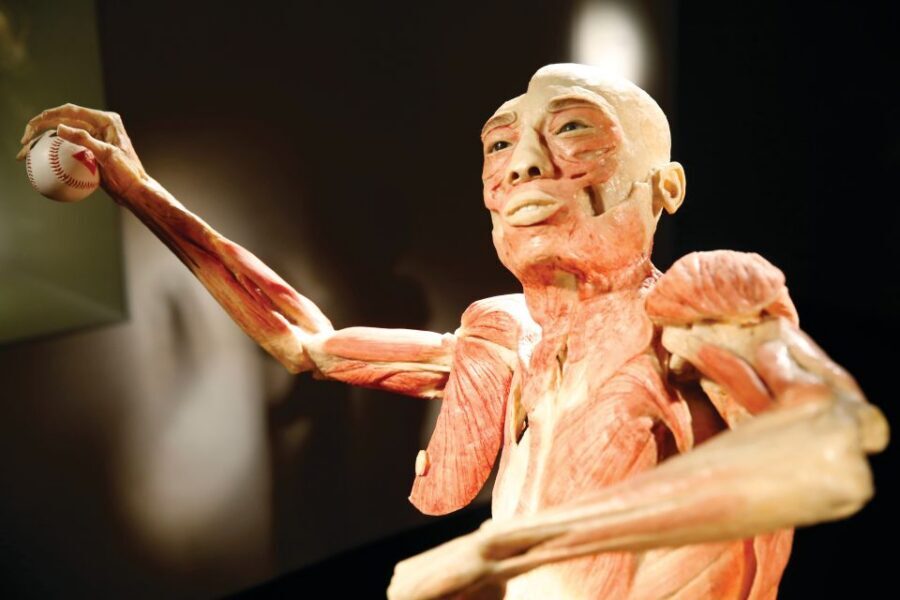
Bodies…The Exhibition is one of those experiences that’s equal parts educational and unsettling—in the best, honest way. This isn’t a Hollywood-style model show. It’s real preserved human anatomy, arranged so you can connect what you see to how bodies actually function day to day.
The Luxor location matters too. You’re on a major Vegas site with easy access and plenty of foot traffic nearby. The exhibit itself is different from the usual Strip vibe: people describe it as well displayed and not wildly hectic, which helps if you want to actually read, not just rush past.
Also, bring your mindset. If you’re curious about how your body is built, this is a strong match. If you’re prone to fainting at medical sights, you should think hard before committing. The content is educational, but it can still feel creepy, especially up close.
You can also read our reviews of more museum experiences in Las Vegas



Your walk-through: how the exhibits are organized in practice
You can treat this as a one-day activity, but it’s really a slow, reading-and-looking loop. Even without a formal “tour route” listed here, the flow is clear once you enter: you start with big-picture anatomy and then move into increasingly specific displays.
Here’s a practical way to think about the experience, step by step:
1) Entry and the first orientation moment
When you arrive at the Luxor, you’ll be entering the exhibit area designed for ongoing circulation. Since the ticket includes skip-the-ticket-line entry, you’ll likely move through faster than if you bought at the far end of a standard queue.
That first phase matters because the exhibit is intense. People do better when they slow down early, read the accompanying info panels, and decide what you want to focus on: bones, organs, circulation, lung function, or health impacts.
2) Whole-body specimens as your anchor points
One of the strongest reasons to pick this exhibit is the 13 whole-body specimens. Whole-body displays give you a reference point. Instead of seeing anatomy like a collection of unrelated parts, you see how structures relate to each other in one body.
This is where you’ll start noticing how the skeletal frame supports everything else. You’ll also get a sense of where major organ systems sit and how they connect to muscle movement and breathing.
3) Then comes the organ-and-part detail
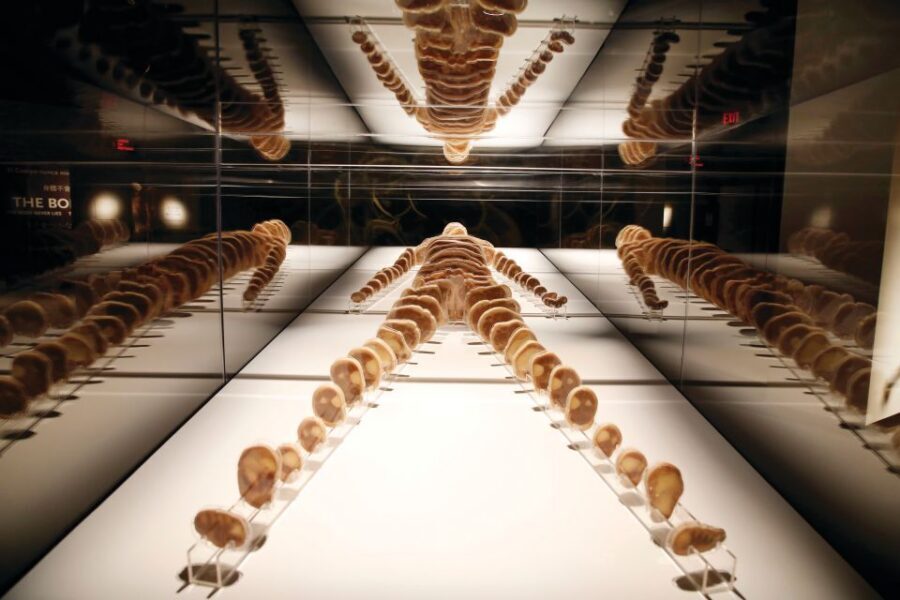
After the big-picture displays, you move into an area that feels denser: more than 260 organs and partial body specimens. This is where the exhibit becomes more than a spectacle. The displays are positioned so you can track what each organ system does and where it ends up in the overall body plan.
You’ll see detail connected to:
- the skeletal system
- muscular structure
- the respiratory system
- the circulatory system
If you’re the type who likes to connect cause and effect, this is the payoff stage. It’s easier to understand function when you’ve already built a mental map from the whole-body views.






4) The health impact section: lifestyle and disease comparisons
Near the end of the learning arc, the exhibit shifts from anatomy-as-architecture to anatomy-as-outcome. This is where you’ll see authentic preserved specimens that show how humans can impact their bodies in different ways.
Two examples are called out clearly:
- displays related to over-eating and inactivity
- a healthy lung beside a black lung ravaged by smoking
This is the moment where the exhibit becomes more emotionally loaded. Even if you already know smoking harms lungs, the comparison format makes it hard to look away.
You may also encounter specific illness examples in the organ displays (liver cancer was cited by one visitor). The key is that the exhibit isn’t only about what organs look like—it’s about what happens when the body is pushed in harmful directions.
5) Final reading and pacing yourself
You’ll likely finish by taking the time to read what you missed on the first pass. Many people spend around an hour actively looking, then slow down for the written explanations.
If you plan your visit like an art museum (not like a drive-by photo stop), you’ll get more out of it.
What you actually learn: body systems you can picture later
The exhibit is built to help you understand anatomy in a way that sticks. You’re not just watching specimens. You’re mentally labeling systems and making connections.
Here’s what that means for you when you leave.
Skeletal system: the structure that makes motion possible
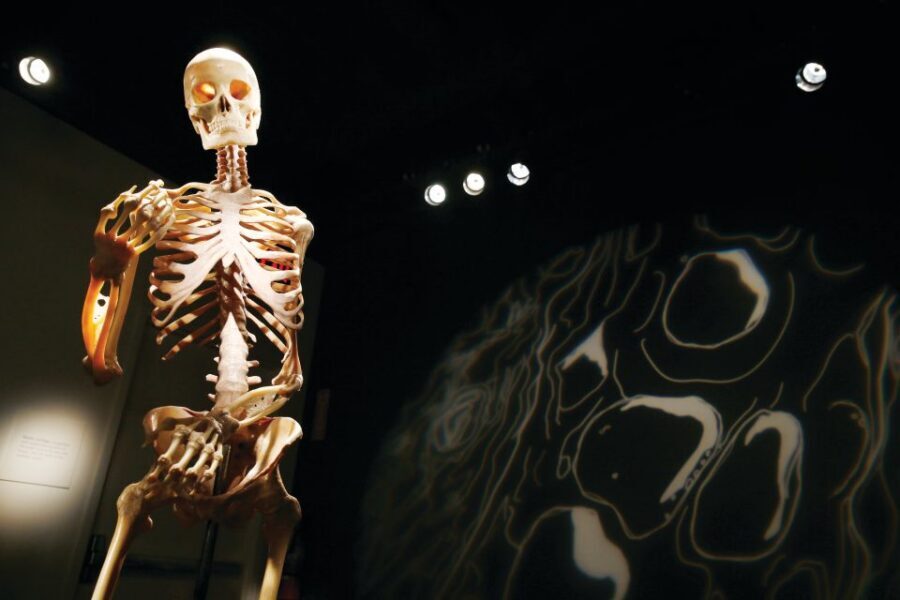
The skeletal displays give you the framework. When you see bones in context, it’s easier to connect why certain joints move the way they do and why posture and stability matter.
If you’re already into anatomy, this section will feel satisfying because it gives you a reference you can remember.
Muscles: the engine behind movement
Muscle structure is another focal area. You start to see how muscle groups work as partners to the skeleton, instead of acting like isolated tissue.
This matters if you like practical body knowledge. Understanding muscle placement makes everyday movements feel less random.
Respiratory system: more than just lungs
The respiratory displays are especially important because the exhibit includes direct lung comparisons. When you see the damage linked to smoking, the lungs stop being an abstract organ and become a real working structure you can visualize.
Circulatory system: why it’s all connected
The circulatory system context helps you understand how life support works as a network, not a single organ. The exhibit’s layout makes it easier to see how the flow connects with the rest of the body.
The smoking and lifestyle lessons: why this exhibit hits harder than expected
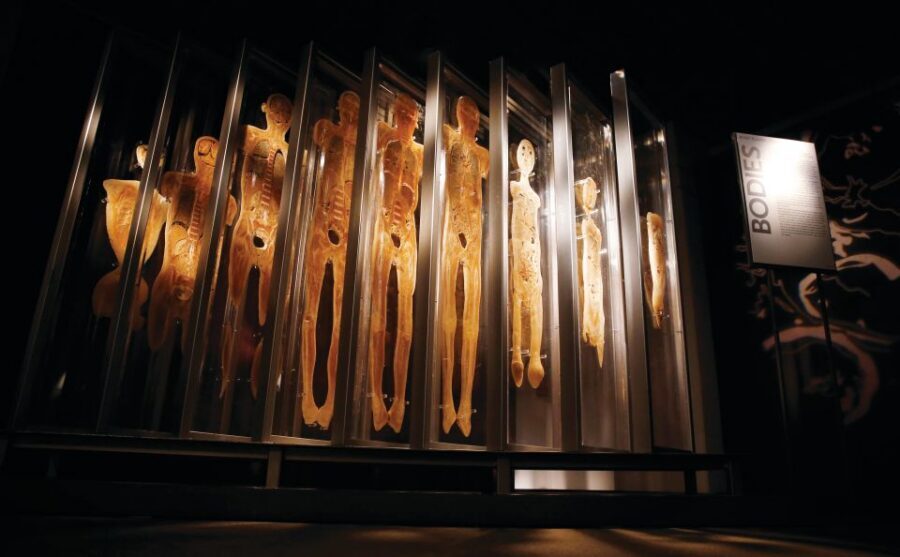
The health-impact side is what makes Bodies…The Exhibition more than a normal anatomy display. It uses direct comparisons, including a healthy lung shown next to a black lung connected to smoking.
That choice is educational and emotional. It takes a common health message and makes it visual in a way that feels real. The same idea applies to other lifestyle impacts shown through specimens tied to over-eating and inactivity.
If you’re bringing family or friends, this is also the part where reactions vary most. Some people find it fascinating. Others find it heavy. Either response is normal. If you want a smoother experience, set expectations before you enter and avoid making it a quick stop.
Timing in Vegas: how to choose your entry time
This is a one-day activity, and the ticket is valid for one day. The big timing detail is the last entry at 5:00 PM.
That means you’ll want to schedule this earlier rather than treating it like a late-night plan. The content benefits from daylight-in-your-brain pacing. Also, a slower pace helps you read the written info without feeling rushed.
There’s also a special scheduling note you should plan around:
- On Superbowl Sunday (2/8/26), the exhibit closes early from 11:00 AM to 4:00 PM, with last admission at 3:00 PM
- Regular operating hours resume February 9th, 2026
If your trip hits that date, don’t guess. Pick your time with the early closing in mind so you don’t show up to an empty exhibit door.
Price and value: is $44 a good deal for what you get?

At $44 per person, the price can look steep at first glance. But this isn’t a short show. You’re paying for access to:
- 13 whole-body specimens
- more than 260 organs and partial body specimens
- a structure that connects major body systems and health outcomes
So the value question becomes simple: do you spend time looking and reading, or do you speed-run experiences?
If you take your time, $44 starts to feel fair for a full anatomy-focused walk-through. The included line skipping also helps value because it saves a chunk of time you can spend inside reading and observing. Just remember, cameras are not allowed, so you aren’t getting that extra convenience of “I’ll remember later from photos.”
Also, the activity is non-refundable, so you’ll want to book only when you’re confident in your schedule.
Practical rules you should know before you arrive
This exhibit has rules, and following them keeps your visit smooth.
Here’s what you need to plan around:
- No cameras (photo and video are not allowed)
- No smoking
- No luggage or large bags
- Unaccompanied minors aren’t allowed
- Wheelchair accessible
On the kids policy: guests under 18 must be accompanied by an adult. Children three (3) and under are free when accompanied by an adult.
If you’re traveling with a backpack, keep it small. If you arrive with a bag you’re unsure about, it’s smart to assume it might not be accepted. With no cameras allowed anyway, the goal is to travel light and focus on the displays.
Who should book this, and who should rethink it
This is a strong pick for:
- people who like anatomy, bones, organs, and how systems work
- readers who enjoy written explanations and can slow down
- anyone who wants a serious, real-world health learning experience
It’s less ideal for:
- people who dislike medical visuals in close-up
- anyone who needs lots of distractions to avoid uneasy feelings
- visitors hoping for a photo-friendly attraction
One more small practical note: at least one visitor mentioned it was quite cold indoors. If you run cold easily, bring a light layer. You’ll thank yourself once you’re standing still and reading.
Finally, there’s a real chance of confusion if you’re comparing similar exhibitions on the Strip. One visitor specifically warned that there’s another anatomy-themed show called Real bodies at Horseshoe, and these tickets are for the one at Luxor. Before you go, double-check the location on your booking so you end up in the right building.
Should you book Bodies…The Exhibition at the Luxor?
I think it’s worth booking if you want one focused day in Vegas that teaches you something real. At $44, you’re buying access to a lot of anatomy content—whole-body specimens, 260+ organs, and clear health comparisons like the lung smoking example. It’s educational, structured, and easier to handle than you’d expect for this kind of subject.
Book it if you:
- can handle intense visuals
- plan to spend real time looking and reading
- want a memorable, science-based stop that isn’t tied to rides or screens
Skip it (or postpone) if you:
- hate the idea of no photos
- need a gentle, non-medical attraction
- are booking last minute without your timing lined up (because last entry is 5:00 PM and Superbowl Sunday hours can cut the day short)
If you want a “learn a lot in one place” Vegas experience, this one earns its reputation.
FAQ
What will I see at Bodies…The Exhibition at the Luxor?
You’ll see 13 whole-body specimens and more than 260 organs and partial body specimens. The exhibit covers major systems including the skeletal, muscular, respiratory, and circulatory systems, plus health impacts tied to lifestyle.
How long does the experience take?
The activity is listed as 1 day, and many people spend about an hour looking at the exhibits and reading. If you’re a slower reader, plan for extra time.
How much does admission cost?
Admission is $44 per person.
What time is the last admission?
The last entry into the exhibit is at 5:00 PM. On Superbowl Sunday (2/8/26) it closes early from 11:00 AM to 4:00 PM, with last admission at 3:00 PM.
Does this ticket skip the line?
Yes. The ticket includes skip the ticket line.
Are cameras allowed inside?
No. Cameras are not allowed.
Can I smoke or bring luggage?
Smoking isn’t allowed, and luggage or large bags aren’t allowed.
Is the exhibit wheelchair accessible?
Yes. The experience is wheelchair accessible.
Is it refundable, and can minors attend?
The activity is non-refundable. Guests under eighteen must be accompanied by an adult, and children three (3) and under are free when accompanied by an adult. Unaccompanied minors aren’t allowed.