REVIEW · SEDONA
Sedona Night Hike and Stargazing Tour
Book on GetYourGuide →Operated by Arizona Red Rock Adventures LLC · Bookable on GetYourGuide
Stars change the desert. This Sedona night hike mixes sunset-to-dark adventure with real sky time and hands-on desert science using UV lights. You’ll head out before full night, hike to a vista as the red rocks glow, then keep going into darker terrain where the constellations look sharper and the desert feels more alive.
What I like most is the safety-first setup: the guides are certified Wilderness First Responders (WFR) and trained in orienteering, which matters when trails get dark. The second big win is the way the tour turns stargazing into something practical, with guided constellation/planet spotting and a fun UV hunt for scorpions led by your guide, like Ty. One thing to consider: it’s a night hike with real desert conditions—so you need comfortable shoes and you should be ready for it to get cooler and darker as you climb.
In This Review
- Key things that make this Sedona night hike special
- Sedona after dark: Doe Mountain, sunset glow, and the shift to starry sky
- Your 4-hour plan: pickup, van ride, 3 hours on the trail, and sky time
- The WFR safety factor that matters on a dark trail
- Stargazing that actually teaches you what you’re seeing
- The UV scorpion hunt: fun, spooky (in a safe way), and surprisingly educational
- Night wildlife spotting: owls, bats, and the sounds you start noticing
- Transportation and snacks: small touches that make the evening easier
- What to bring (and how to dress) for a night hike in Sedona
- Price and value: is $495 per group worth it?
- Who this Sedona night hike fits best (and who should skip it)
- Should you book the Sedona Night Hike and Stargazing Tour?
- FAQ
- Where is the meeting point for the Sedona night hike and stargazing tour?
- How long does the tour last?
- What’s included with the tour?
- What should I bring?
- Is the tour in English?
- Is this tour suitable for very young children or older adults?
Key things that make this Sedona night hike special
- Doe Mountain hike with sunset views, then continued hiking after dark
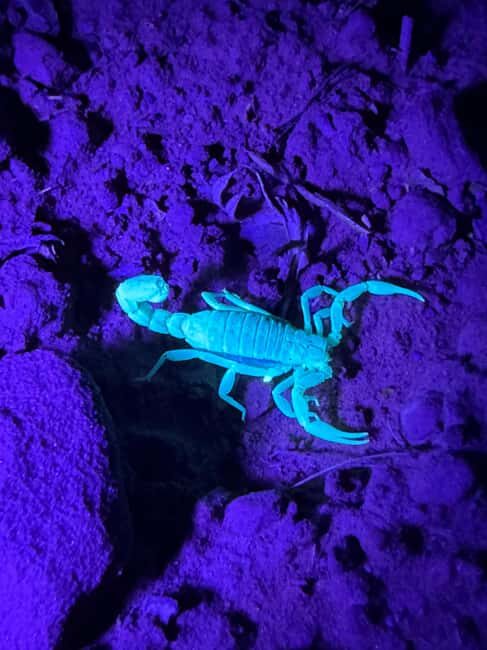
- UV flashlight scorpion scouting, where you see glowing scorpions in the desert cracks and under rocks
- Stargazing with guided constellation and planet pointing, including Milky Way mentions from guides’ style
- WFR-certified guides (Wilderness First Responders) for extra confidence on night terrain
- Small-group/private feel, with snacks and van transportation plus pickup at Whole Foods
Sedona after dark: Doe Mountain, sunset glow, and the shift to starry sky
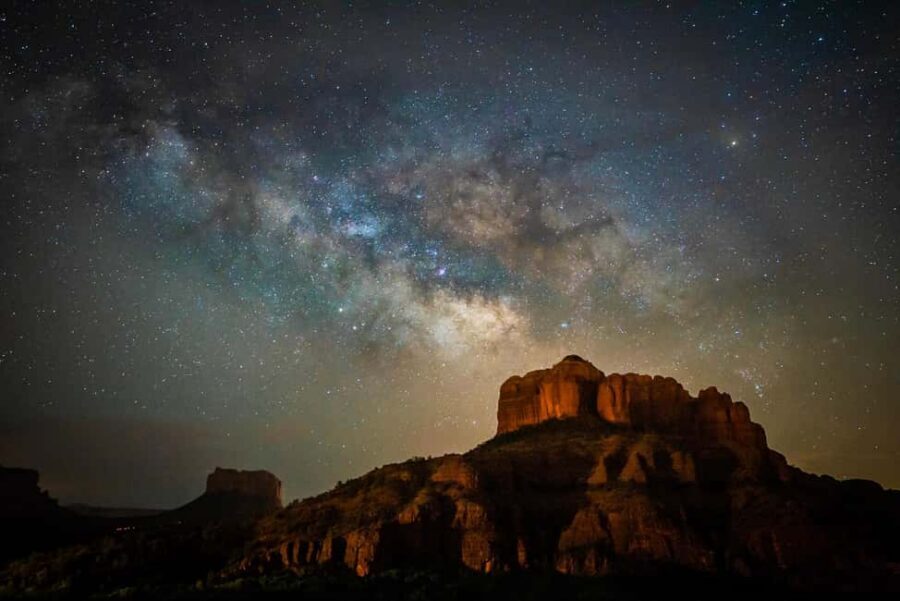
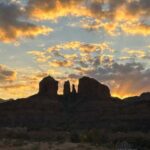
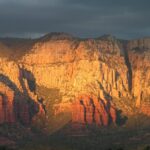
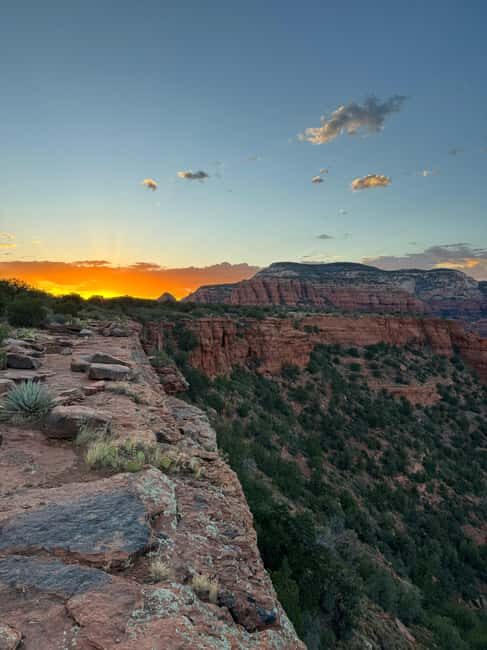
Sedona at night is not just daytime scenery with darkness added. The whole rhythm changes as the sun drops: the red rocks cool, the air feels sharper, and the sky becomes the main event. This Sedona Night Hike and Stargazing Tour is built around that shift, starting just before sunset and keeping you moving long enough for the stars to show up in a big way.
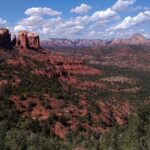
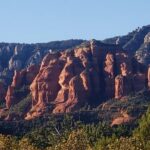
The hike goes to Doe Mountain, and you’re not just walking in the dark—you’re gaining altitude when the views are still generous, then continuing into true night conditions. That matters because you get two kinds of Sedona beauty: the warm color changes near sunset and the high-contrast sky once the light fades. Even if you’re an “I’ve seen stars before” person, the change from glowing rock to deep night sky tends to land harder in Sedona than you’d expect.
One more smart detail: the guide chooses the trail based on the season, current tourism levels, and the moon/constellation alignment. That translates into less crowd noise and better viewing conditions, which is what you want for stargazing—not just a random route because it exists.
You can also read our reviews of more evening experiences in Sedona
Your 4-hour plan: pickup, van ride, 3 hours on the trail, and sky time
The timing is straightforward, and it’s designed so you’re not rushing stargazing at the end. You meet at the southwest corner of the Whole Foods Market parking lot, then head out by van for about 15 minutes. That short ride is practical: you’re avoiding the stress of figuring out night driving and you’re already in the right area when your hike begins.
You’ll spend about 3 hours hiking, and the trail structure is the key part:
1) Pre-sunset hiking to a scenic vista
2) As night falls, moving into a darker, more remote section
3) Pauses along the way for stargazing and night-sky identification
4) UV scorpion scouting once it’s dark enough to make the glow work
This is where the “science + nature” angle shows up. You’re not stuck in one spot waiting for a constellation to appear. You’re learning while you walk, then focusing when it’s time to look up.
At the summit area, you get a dedicated stargazing pause. The guide points out constellations and planets (not just generic “look up” talk) and uses a laser to keep the view clear. If you’ve ever tried to find the same stars twice from different spots and failed, you’ll appreciate that the guide is helping you locate patterns the right way—step-by-step, with the kind of explanations that make the sky feel friendly.
The WFR safety factor that matters on a dark trail
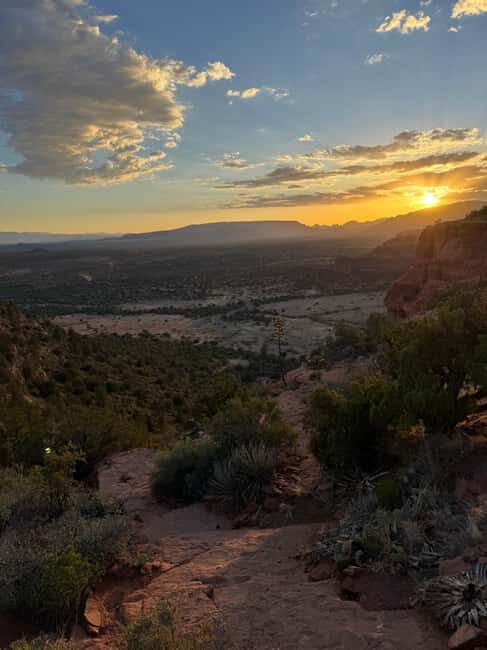
A lot of stargazing tours are calm by nature because they stay put. This one adds the night-hike element, and that means you’re on real ground when it’s dark. The guide’s credential isn’t a marketing detail here—it’s the backbone of why the tour feels comfortable.
All guides are Wilderness First Responders (WFR), and they’re also skilled at orienteering. In plain terms, that reduces risk in two ways:
- They’re trained for medical and safety decision-making when conditions change.
- They know how to navigate and manage the group when visibility drops.
What really elevates the experience, though, is the guide’s temperament. In past tours, Ty has stood out for making people feel at ease, including first-time night hikers and families with young kids. If someone in your group tends to get nervous in the dark, that patience helps more than you might think. You’ll move at a pace that keeps everyone confident, and you’ll get reassurance when you need it—without turning the hike into a lecture.
Stargazing that actually teaches you what you’re seeing
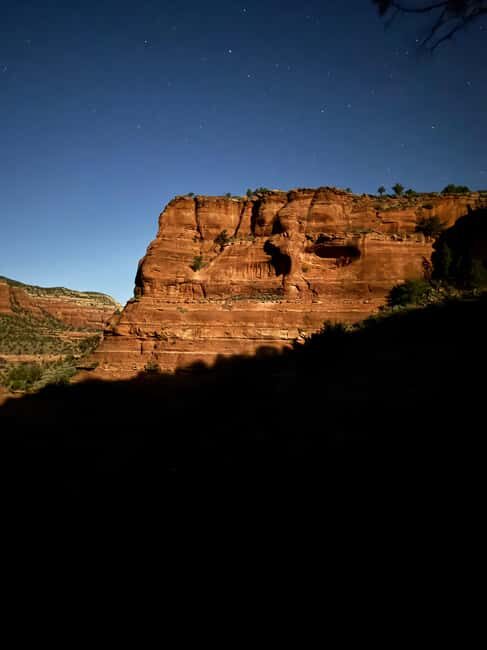
Stargazing can be either magical or frustrating. Magical when you see a lot. Frustrating when someone points at the sky but you can’t connect the dots.
This tour is designed for the second part: connecting dots.
You’ll pause to stargaze as the night settles. The guide identifies constellations and helps you locate them, and the tour includes planet spotting too. They also call out features of the night sky in a way that sticks—like helping you find familiar patterns and then understanding how they fit together.
Sedona’s night sky benefits from minimal light pollution on the chosen spots, which is a big deal. Brighter stars and clearer contrast means your eyes adjust faster and you see more than you would from a city edge.
One of the reasons people rave about this part is that it’s not just “look up for a minute.” You get time, guidance, and a guided way to build confidence. If you’re new to astronomy, that’s a huge plus. If you’ve been under starry skies before, you still get value because the guide is using the moon/season timing to put you in the right viewing window.
The UV scorpion hunt: fun, spooky (in a safe way), and surprisingly educational
This is the moment that turns the tour into a story you’ll want to retell. At a certain point, the desert cools, the stars are up, and your guide brings out UV flashlights for scorpion scouting.
Under ultraviolet light, scorpions glow a vivid blue-green. Your job is simple: follow the guide’s direction, watch for the glow, and learn how scorpions live in the desert night—often hiding in cracks, under rocks, or along the trail.
A few practical reasons this works so well:
- It makes wildlife spotting feel objective. You’re not guessing where to look.
- It turns “I heard scorpions exist” into a real visual moment.
- You’re observing without trying to grab or disturb animals, which is exactly what you want when you’re sharing space with wildlife.
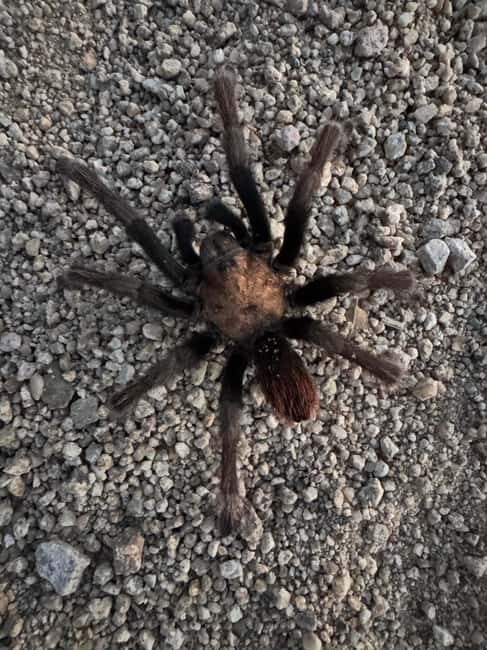
Also, the guide’s approach matters. Ty’s style has been described as humorous and calm, which helps when something you didn’t expect appears—like a rattlesnake crossing the path while you’re searching for scorpions. That kind of calm handling is part of why the WFR credential doesn’t stay abstract; it shows up in how the group is managed when wildlife is near.
You can also read our reviews of more hiking tours in Sedona

Night wildlife spotting: owls, bats, and the sounds you start noticing
The tour isn’t only about stars and scorpions. You’ll also look for signs of nocturnal wildlife like owls and bats, and the guide shares insights about desert ecology and what you might be hearing or noticing.
At night, even when you don’t see a lot, your awareness changes. You start tracking movement, listening for calls, and realizing that the desert has an active schedule that runs after dark. That’s one of the quiet benefits of a guided hike: you notice more because someone is giving you context, not because you’re magically good at spotting things.
If you’re traveling with kids, this wildlife focus often keeps attention where it should be—moving between “what’s happening now” and “what to look for next” instead of one long stretch of silence.
Transportation and snacks: small touches that make the evening easier
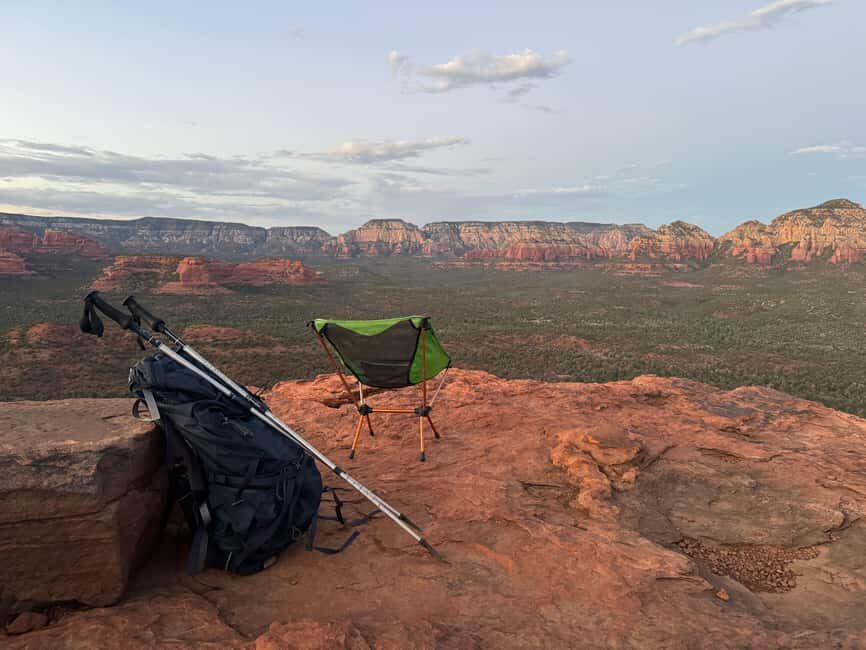
This tour includes van transportation, plus pickup and drop-off at a designated location (Whole Foods Market). The van ride isn’t just convenience; it reduces friction. Instead of negotiating night parking, you’re starting from a known meeting point and letting the guide handle the route.
Snacks are included, which is practical for a multi-hour evening plan. You don’t want to feel hungry while you’re hiking and then trying to enjoy the sky.
What to bring (and how to dress) for a night hike in Sedona
You’ll be walking up and down a mountain and spending time outside after dark. For your comfort and safety, use the tour’s gear list and don’t treat it like a suggestion.
Bring:
- Comfortable shoes (non-negotiable for rocky ground)
- A hat
- A camera (recommended for the night sky and views)
- Water
Also consider practical clothing for desert temperatures. Day can be warm, and nights in Sedona can feel chilly, especially once you’re higher up and the sun is gone. Dress in weather-appropriate layers so you can adjust as the temperature drops.
If you’re bringing kids, check that everyone can handle the hike length comfortably. Past experience with families has highlighted that a patient guide approach can help a lot, but you still want kids in shoes they can move safely in.
Price and value: is $495 per group worth it?
The listed price is $495 per group (private group format, up to 1). That sounds high until you break down what you’re paying for.
You’re paying for:
- A WFR-certified guide with orienteering skills
- A timed night outing that depends on moon/sky conditions
- Van transportation with pickup/drop-off at Whole Foods Market
- Stargazing guidance (constellations and planets)
- UV flashlight scorpion scouting equipment and the experience design around it
- Snacks
- A hike up Doe Mountain rather than a short, sit-and-stare astronomy session
For a single person doing this kind of guided nighttime activity, the price can feel steep. For couples or families, the value can improve because the guide’s presence is for your group and you’re getting multiple “events” in one evening: hike + summit stargazing + UV wildlife.
If you want a low-cost stargazing night, you can always DIY from public viewpoints. But if you want the combination of night hiking plus guided sky learning plus scorpion spotting, a guided format is where your time stops being trial-and-error.
Who this Sedona night hike fits best (and who should skip it)
This tour is a strong match if you want:
- Guided stargazing that helps you actually identify things
- A desert night adventure that includes wildlife learning
- A calmer, confidence-building guide style (Ty’s approach is a recurring highlight)
- A private or small-group feel with pickup and snacks handled
It’s not suitable for:
- Babies under 1 year
- People over 95 years
If you have mobility concerns or you’re worried about walking on rocky ground in the dark, this is a tour where you should think carefully and be honest about comfort level. The guide’s training helps, but it doesn’t change the fact that it’s a hike.
Should you book the Sedona Night Hike and Stargazing Tour?
Book it if you want more than a starry photo. This is a structured night experience that uses the desert’s timing—sunset glow, darker trail sections, then sky learning—and it adds a memorable wildlife moment with UV scorpion scouting.
Skip it if:
- You want a totally low-effort stargazing session with no hiking component
- You’re not comfortable walking at night on mountain terrain
- Your group can’t manage the basics (comfortable shoes, water, hat, and dressing for night temps)
If you’re on the fence, think of the value like this: you’re buying guided navigation, guided sky interpretation, and a controlled, safe way to see animals you’d never spot on your own. In a place like Sedona, that combination is what turns an evening out into a real story.
FAQ
Where is the meeting point for the Sedona night hike and stargazing tour?
You meet in the southwest corner of the Whole Foods Market parking lot.
How long does the tour last?
The total duration is 4 hours.
What’s included with the tour?
It includes an expert local guide, a small group experience, transportation by van, pickup and drop-off at a designated location, a guided hike up Doe Mountain, stargazing, scorpion scouting, and snacks.
What should I bring?
Bring comfortable shoes, a hat, a camera, and water.
Is the tour in English?
Yes, the live tour guide provides the experience in English.
Is this tour suitable for very young children or older adults?
It is not suitable for babies under 1 year, and it is also not suitable for people over 95 years.