REVIEW · UTAH
Zion National Park Self-Guided Driving & Shuttling Tour
Book on Viator →Operated by Travel with Action · Bookable on Viator
Zion is huge. This tour helps you pace it.
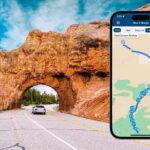
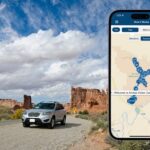
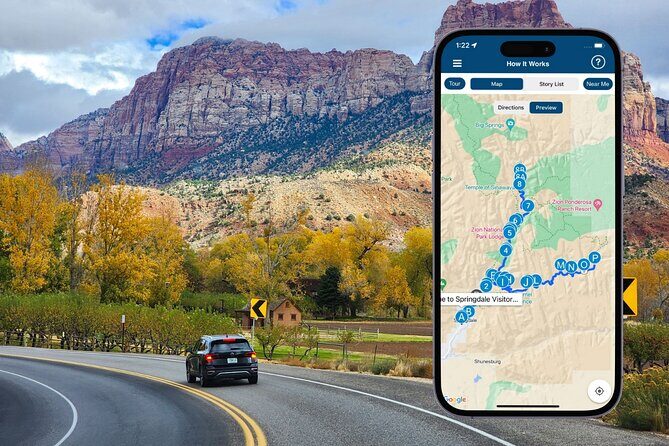
It turns your phone into a location-based guide so the stories, tips, and viewpoints roll in as you move through the park, whether you’re driving or using the shuttle. The best part is that it’s built for real-world Zion conditions: patchy signal, lots of stops, and changing road rules.
I especially love the hands-free setup. Once you launch the app at the start point, the audio plays automatically based on where you are, so you’re not constantly fiddling with your screen. I also really like the offline design. You download while you have strong Wi‑Fi/cellular, then you’re set for the remote parts of Zion where service can disappear.
One thing to plan for: you’re going to want to manage your phone setup carefully. A few people run into playback or syncing friction when they stop/restart or hop on/off shuttles, so give yourself time at the beginning to get connected to car audio or plan on headphones.
In This Review
- Key Highlights at a Glance
- Zion By Phone: What the Self-Guided Experience Actually Feels Like
- Price and Value: Why It’s Sold Per Group (Not Per Person)
- Starting at Zion Canyon Visitor Center and Getting the Audio to Behave
- The Canyon Junction Bridge Moment: Where the Tour Sets Your Pace
- Pa’rus Trail and Watchman Trail: Popular Hikes, Easy Orientation
- Zion Canyon: Scenic Drive Meets the Virgin River System
- Court of the Patriarchs: The Three Peaks and the Name Game
- Emerald Pools: A Stop That Cares About Your Body
- Angel’s Landing: When the Tour Says This Is a Different League
- Grotto Picnic Area: Restrooms and Reset Energy
- Weeping Rock Trail: A Water Moment That Feels Surprising
- Big Bend Viewpoint: The Scenic Drive’s Grand Finale Mood
- Temple of Sinawava to the Narrows: A Flat Riverwalk That Leads to Iconic Choices
- East Temple and Zion’s Rock Colors: Geology With Plain Meaning
- Zion Scenic Drive Viewpoint 2: Why Some People Called It Zion
- Zion–Mount Carmel Tunnel: Headlights On, No Stopping for Photos
- Canyon Overlook Trail, Altar of Sacrifice, and Checkerboard Mesa
- East Entrance Ranger Station: When the Tour Ends (and Your Day Can Continue)
- Shuttle Reality and Driving Limits on Zion’s Valley Floor
- Permits and Park Passes: What the Tour Includes and What It Doesn’t
- Troubleshooting Like a Pro: Phones, Earbuds, and Sync Friction
- Who Should Book This Self-Guided Zion Tour?
- FAQ
- Do I need to buy park passes separately?
- Will the audio work without cell service?
- How long is the Zion self-guided tour?
- Can I use this audio tour on the shuttle?
- Are permits required for hikes mentioned on the tour?
- Can I cancel and get a full refund?
- Should You Book This Zion Self-Guided Tour?
Key Highlights at a Glance
- Offline-ready audio so you’re not stuck hunting for signal in the canyons
- Auto-play by location means fewer taps and more looking out the window
- Designed for Zion logistics, including shuttle use when private cars aren’t allowed on the valley floor drive
- A stop sequence that mixes icons with short walks (great if you don’t want huge hikes)
- Talks about the cliffs and people behind the views, from ancient farming to later naming traditions
Zion By Phone: What the Self-Guided Experience Actually Feels Like

This tour is like having a patient friend along for the drive—except you control when you pause and what you skip. You’re not locked into a group pace. You can linger at a turnout, do a short trail, or keep rolling when the parking gods are smiling.
The audio is tied to your location, so instead of guessing what’s next, the tour cues the next story as you arrive. It’s also hands-free in the practical sense: if you connect your phone to your car stereo (Bluetooth, USB, or AUX) the narration can play over your vehicle audio. For walking segments, headphones are a smart move.
Also, don’t underestimate how much that matters in Zion. The park has viewpoints that are truly worth a stop—but only if you’re not constantly checking your map and camera roll. This tour helps you stay in the moment.
You can also read our reviews of more guided tours in Utah
Price and Value: Why It’s Sold Per Group (Not Per Person)
At $16.99 per group (up to 4), this is priced for shared use. That’s a big deal in the national park world, where many costs scale per person. If you’ve got a car with two to four people, the per-person math usually gets very friendly fast.
And because it’s self-guided, you’re not paying for a live escort. You’re paying for the route logic and the narration package that keeps you moving between major stops without needing cellular data.
The trade-off is that you’re responsible for setup. If you arrive with a half-downloaded tour, you’ll feel it. If you take 10–15 minutes before you go deep into the park to get the app downloaded and working, you’ll likely feel the value immediately.
Starting at Zion Canyon Visitor Center and Getting the Audio to Behave
Your tour starts and ends at Zion Canyon Visitor Center, 1 Zion Park Blvd, Springdale, UT 84767. There’s no guide meeting you. You arrive, open the app, enter the password you received by email/text, and then begin at the first story point.
A couple practical setup tips that can save your day:
- Download the tour while you’re on strong Wi‑Fi/cellular. After that, it works offline.
- Launch the correct tour version for your planned starting point and direction.
- Keep an eye on your audio connection. The tour audio can be played through car systems (Bluetooth/USB/AUX) and is compatible with Apple CarPlay, with Android Auto support coming.
- If you pause or restart, give the app a moment to catch up to your position—especially on shuttles.
One more useful detail: the tour is described as usable while driving, cycling, or on a shuttle. That means you can plan your day around Zion’s traffic rules instead of forcing everything through your windshield.
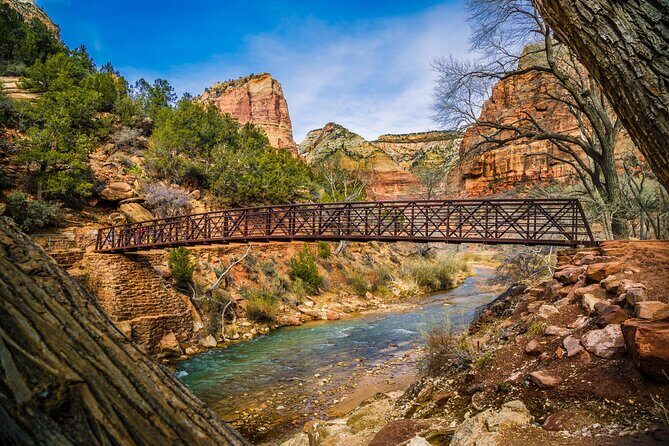
The Canyon Junction Bridge Moment: Where the Tour Sets Your Pace

Canyon Junction Bridge is your early “oh wow” stop, and it’s also strategically timed for the kind of choices Zion demands.
Here’s what you’ll get from this area:
- Sunset value: it’s called out as a great sunset spot, so if you’re doing Zion in the late day, you might want to come back.
- Big mountain views: you’ll see the Watchman and surrounding peaks if you can find parking.
- A real fork in the road: the tour points you left if you want to go toward the Scenic Road side that connects with stops like the Narrows, Angel’s Landing, and the Emerald Pools area.
This is also where the tour frames its scale: it’s over 25 miles with 30+ audio stories and typically takes about 1–2 hours to complete—if you move at a relaxed but steady pace.
Pa’rus Trail and Watchman Trail: Popular Hikes, Easy Orientation

Just before and after the bridge, you’ll notice paths for two well-known options:
- The start of the Pa’rus Trail (to the left just before the bridge)
- The Watchman Trail (another path just after the bridge)
Even if you’re not committing to a long hike, this part of the experience is about orientation. Zion’s layout can feel like a maze at first. These trail mentions help you understand which footpaths are nearby and which viewpoints tend to be worth your energy.
The tour uses this section to bring in a deeper time layer too. It talks about Ice Age hunters, then describes how people settled and farmed around 300 BCE, growing squash and corn. It even calls out a Fremont corn variety that could handle drought and cold—an important reminder that this region has always been about survival skills, not just scenery.

Zion Canyon: Scenic Drive Meets the Virgin River System

As you continue, the narration shifts from “where to look” to “how the place works.” Zion Canyon is described as steep red cliffs with the main connection running via Zion Canyon Scenic Drive.
The big idea: the Virgin River is the spine of the park’s most famous sections. From the river system you get:
- Trails that lead to Emerald Pools, including waterfalls and a hanging garden
- The connection to Zion Narrows, including the wading hike through deeper canyon sections
This matters because Zion isn’t one single walk. It’s a network of choices. When the tour explains the river pathways early, you spend less time guessing which direction matches your energy level that day.
Court of the Patriarchs: The Three Peaks and the Name Game
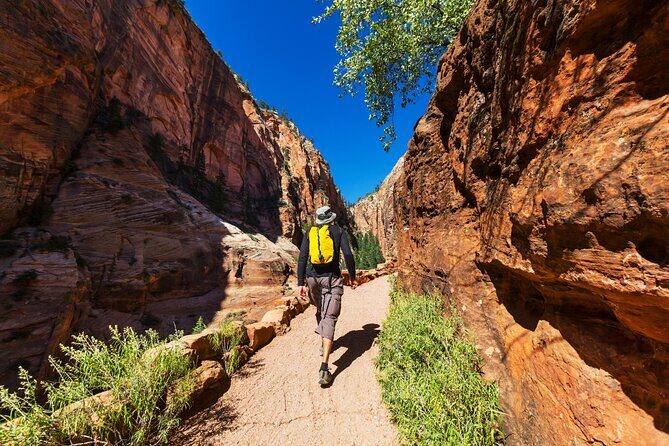
At Court of the Patriarchs, you’ll see the three iconic mountains shaped by local naming tradition. The tour explains that a local Christian minister named them after Bible figures: Abraham, Isaac, and Jacob—left to right.
This stop is short but useful. Zion’s cliff faces are so dramatic that it’s easy to miss the simple fact that people have been interpreting these views with their own stories for generations. Knowing the naming context helps you read the park with a bit more care.
Emerald Pools: A Stop That Cares About Your Body
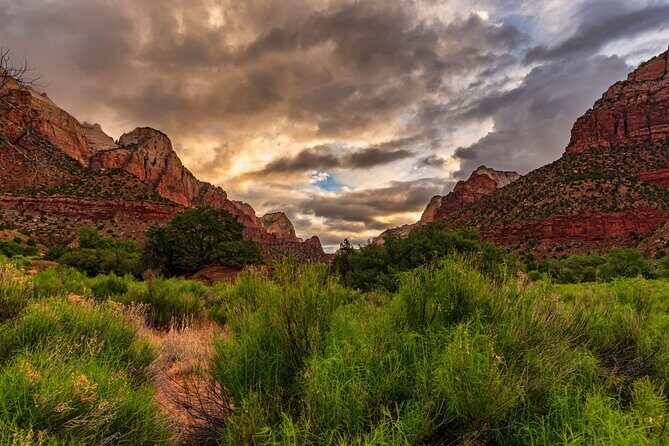
Emerald Pools is one of Zion’s best-known areas, but the tour doesn’t treat it like a quick photo. It gives you two reality checks:
- Bring lots of water. Utah heat can hit hard, and a sun- or heat-stroke can wreck a trip fast.
- Don’t overtax yourself due to elevation and hiking difficulty.
That advice isn’t just generic. It’s the difference between getting to enjoy waterfalls and hanging-garden views, and turning the afternoon into a struggle.
If you want a payoff without major climbing, this is where you can get it—just go in with the right expectations about heat and exertion.
Angel’s Landing: When the Tour Says This Is a Different League
Angel’s Landing is presented clearly: the tour doesn’t try to soften the vibe. The hike is described as offering breathtaking views and a major adrenaline rush, and it’s in a different category than “easy sightseeing.”
The practical angle for you:
- Plan your day around any permit needs before you build your route around this stop.
- If permits don’t line up, you can still enjoy the viewpoint area elsewhere, but you’ll want a backup plan that matches your fitness level.
In other words, don’t treat Angel’s Landing as a spontaneous add-on. Zion’s rules and crowds (and permit systems) matter here.
Grotto Picnic Area: Restrooms and Reset Energy
The Grotto Picnic Area section is the kind of stop you appreciate more the longer you stay in Zion. You’re told what’s there—picnic tables, restrooms, and fire grates—then reminded that the trails around it are the real draw.
This is a good “reset” moment if you’re pacing your day. You can recharge, grab water, and decide whether you want another short walk or to keep moving to the next big view.
Weeping Rock Trail: A Water Moment That Feels Surprising
Then the tour brings you to Weeping Rock Trail, with the key detail that a continuous trickle runs down the rock face from a stream far above.
This is one of those stops that reminds you Zion is not only about red stone. Water shows up in practical ways, and even a short trail can feel like a different kind of experience than the big canyon overlooks.
If you’re traveling with people who get tired of long hikes, this kind of short water-view stop is a great compromise.
Big Bend Viewpoint: The Scenic Drive’s Grand Finale Mood
As you approach the final viewpoint on the drive, the tour highlights the Big Bend Viewpoint. Here you’ll see:
- Great White Throne
- The towering peak of Angel’s Landing
This is a “get your bearings” moment. If you’ve been hopping between short walks and pull-offs, seeing these landmark formations together helps you map Zion in your head.
It’s also where many people find it easier to understand what photos can’t fully show: scale. You’ll notice how far the cliffs stretch and how steep the walls feel from ground level.
Temple of Sinawava to the Narrows: A Flat Riverwalk That Leads to Iconic Choices
To see the Narrows, you follow the paved Riverwalk all the way to the end. The tour calls it a flat, easy walk with greenery and towering natural “skyscrapers” around you.
But it also sets context with the Temple of Sinawava story, so you’re not just walking through trees while waiting for the hard part. You’re building a sense of place before you hit the water-and-stone sections.
Important planning note: Narrows trips may involve permits, depending on the hike and timing. The tour points you toward the right area, but you still need to handle any permit requirements ahead of time.
East Temple and Zion’s Rock Colors: Geology With Plain Meaning
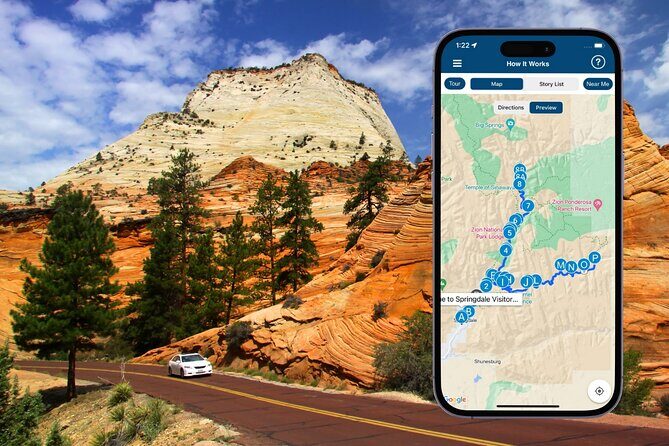
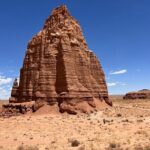
Next up is the East Temple, described as a towering summit around 1,700 feet. The tour points out why the cliff isn’t one single color: rock layers from different eras.
This is a great stop for people who like their explanations grounded. You’re not just told to look; you’re taught how to see. Once you understand that color changes can mark different rock histories, Zion’s cliff faces start looking like readable pages instead of just dramatic walls.
Zion Scenic Drive Viewpoint 2: Why Some People Called It Zion
At another hairpin pull-off, the tour includes an audio story about why the Mormons called this place Zion. It’s a reminder that these names aren’t random. Communities look at the same cliffs and interpret them through their own language and beliefs.
If you’re tempted to skip the short narration bits because you’re busy photographing, don’t. These short segments add context fast, without stealing time from your day.
Zion–Mount Carmel Tunnel: Headlights On, No Stopping for Photos
Now comes the Zion–Mount Carmel Tunnel. The tour tells you to turn on your headlights and also warns that stopping inside for photos is prohibited.
That matters more than you’d think. It’s easy to want to pull over right where your camera suddenly feels most excited. But rules here are strict, and the tunnel is one of those places where “just a quick stop” can turn into frustration.
Treat this like a transition point: headlights on, keep moving, and let the tunnel pass you smoothly.
Canyon Overlook Trail, Altar of Sacrifice, and Checkerboard Mesa
On the East side, the tour keeps offering short, high-impact stops.
- Canyon Overlook Trail: described as short and easy, yet one of East Zion’s finest for views.
- Altar of Sacrifice: the tour points out rusty red streaks. Early Mormon pioneers interpreted the look like blood spilling from a sacrificial altar, while the explanation today is less gruesome.
- Checkerboard Mesa: a mesa rising into the sky with a strange grid pattern that looks like a checkerboard.
These are “stop and see” moments where the narration makes the features easier to spot. If you’re the type who likes to understand what you’re looking at (without needing a geology degree), this part lands well.
East Entrance Ranger Station: When the Tour Ends (and Your Day Can Continue)
The tour concludes at the East Ranger Station. By this point, you’ve covered a lot of Zion’s key visual anchors—plus you’ve been given enough historical and cultural context to make the place feel less random.
It’s also the right time to decide what you do next. The tour won’t replace hiking plans you might still want to make, and it won’t handle permits for you. But it gives you a strong foundation for choosing the rest of your day.
Shuttle Reality and Driving Limits on Zion’s Valley Floor
One of the most useful bits of planning detail is Zion’s seasonal driving rules. The tour notes that from March to November, private vehicles aren’t allowed on Zion’s valley floor scenic drive, so you’ll need to use the park shuttle and listen with headphones.
During select dates from December to February, driving may be permitted, but you’ll still want to follow current park rules on the day you visit.
This affects your day in a practical way:
- Don’t assume your car can do everything.
- Plan your audio setup with shuttle noise in mind.
- Give yourself buffer time if you’re moving between shuttle stops and trailheads.
Permits and Park Passes: What the Tour Includes and What It Doesn’t
Two things you should know up front:
- Park passes are not included in the tour price.
- Some hikes mentioned or connected to the route may require permits. The tour specifically calls out that Angels Landing needs a lottery permit, and other popular hikes like the Narrows and the Subway also require permits.
That means your biggest job before you go is matching the stops you want with the permits you have (or can get). The audio tour helps you find the right areas and understand what you’re seeing, but it isn’t a permit service and it doesn’t provide park admission.
Troubleshooting Like a Pro: Phones, Earbuds, and Sync Friction
The reviews give a pretty clear pattern: most people love the experience, but the rough edges tend to show up when the app and your audio setup don’t behave exactly as expected.
Here are the best prevention moves based on that feedback:
- Download the tour before you arrive, when you have stable signal. Don’t rely on spotty park Wi‑Fi.
- If you use earbuds, expect that connecting two pairs of earbuds to one phone can get awkward. One user had to split the setup to get audio working.
- If you pause and later restart, give the app time to reacquire location. One issue described as “catching up” can make it feel like you’re hearing old segments again.
- Don’t fully quit or kill the app and expect it to behave perfectly. One person noted it started over when the app was restarted in a way that broke the background session.
You can still have a great trip even if tech hiccups happen. Just plan a little patience at the start, and keep your phone battery topped up.
Who Should Book This Self-Guided Zion Tour?
You’ll probably be a great match if you want:
- A flexible, self-paced Zion plan that mixes car views with short walks
- A value-friendly option for a small group (since it’s priced per group up to 4)
- A way to keep moving without sacrificing context—this tour explains the people and rock stories behind the stops
You might want to think twice if:
- You’re not comfortable with app setup on-site
- Your group prefers a fully guided, question-and-answer style experience
- You’re planning multiple permit-required hikes and need a plan that’s managed beyond the audio cueing
If you want less effort than a self-guided trip but more independence than a rigid group, this sits in a good middle ground—assuming you get the tech setup right.
FAQ
Do I need to buy park passes separately?
Yes. Park passes are not included in this tour.
Will the audio work without cell service?
It’s designed to work offline after you download the tour in strong Wi‑Fi/cellular first.
How long is the Zion self-guided tour?
It’s listed as about 1 to 2 hours, and the route is described as over 25 miles with 30+ audio stories.
Can I use this audio tour on the shuttle?
Yes. The tour can be used while riding the shuttle, and it’s especially relevant because private vehicles aren’t allowed on the valley floor scenic drive from March to November.
Are permits required for hikes mentioned on the tour?
Angels Landing requires a lottery permit, and some popular hikes like the Narrows and the Subway also require permits.
Can I cancel and get a full refund?
Yes. You can cancel up to 24 hours in advance for a full refund.
Should You Book This Zion Self-Guided Tour?
Book it if you want Zion without the pressure of a group schedule, and you like your sights paired with short, useful context. The offline, location-based audio is the main win here—especially when you’re stuck between viewpoints, shuttles, and canyons where signal is unpredictable.
Skip it (or at least plan carefully) if your trip depends on lots of permit hikes you haven’t sorted yet, or if you know you won’t be able to get the app downloaded and playing reliably before you hit the deeper parts of the park.