Salt Lake from the sky changes everything. This private Great Salt Lake flying tour is built for quick wow: you lift off from Skypark Airport and get big-sky views fast, with the chance to see Antelope Island wildlife from high above and low to the waterline. You’ll also use provided aviation headsets to talk with the pilot during the flight, which turns sightseeing into an actual conversation.
Two things I really like: first, the personal attention from pilot Neil, who shares what you’re actually looking at and where to focus your eyes. Second, the flight setup makes it easy to ask questions in real time, so you’re not stuck guessing what that shoreline or herd pattern means.
One thing to plan around: this experience requires good weather, so if skies aren’t right you may need to switch dates. In winter, plan for cold air and dress warm, since the plane ride can feel brisk even when the sun is out.
In This Review
- Key things to know before you fly
- Skypark Airport and meeting Neil in Woods Cross
- How a one-hour charter flight actually feels
- First big views: the Great Salt Lake by air
- Antelope Island: watching wildlife from above and low
- Neil’s pilot talk: from aviation basics to photo spots
- What to bring: comfort, headsets, and dressing smart
- Photo and wildlife strategy: how to actually “see” more
- Value versus driving: why this beats a long day
- Who this tour is for (and who might not love it)
- Should you book the Great Salt Lake flying tour?
- FAQ
- What’s the duration of the Great Salt Lake flying tour?
- Where does the tour start?
- Is this a private tour?
- Do I get to talk with the pilot during the flight?
- What language is the tour offered in?
- What wildlife might we see on the flight?
- What happens if the weather isn’t good?
- Are service animals allowed?
Key things to know before you fly
- Private group, private pilot time: your group is the only one on board.
- Talk with Neil using aviation headsets: you can ask questions throughout the flight.
- Great Salt Lake size hits different from the air: you’ll see the scale in minutes, not hours.
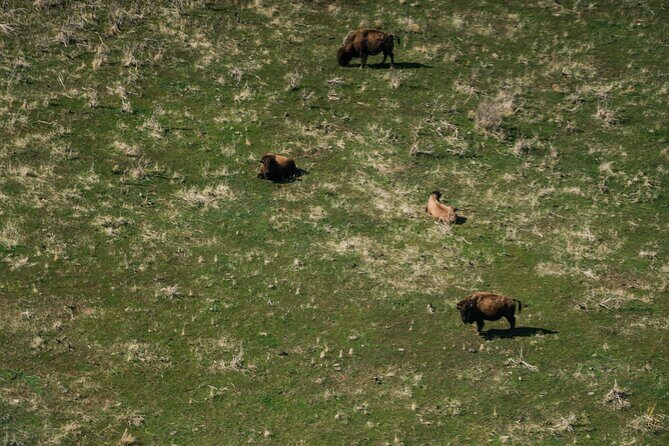
- Antelope Island wildlife is the main event: buffalo, antelope, deer, coyote, and even occasional eagles may appear.
- Low passes can happen: you get both wide views and closer looks.
- The flight ends where it starts: it’s a clean out-and-back plan with no long follow-ups.
Skypark Airport and meeting Neil in Woods Cross
Your tour starts at Skypark Airport, 1887 S 1800 W, Woods Cross, UT 84087. Because this is a private flight for your group, the meet-up is meant to feel straightforward: you check in, get oriented, then you’re ready to head to the aircraft.
If you’re arriving on your own schedule, note the location is near public transportation. That’s handy if you’re staying in the Salt Lake area and don’t want to fight parking or rideshare timing.
The pilot for this experience is Neil, and the tone you’ll feel is personal. Multiple recent passengers highlight how friendly and communicative he is before takeoff, which matters because small-aircraft flights feel calmer when you know what to expect.
You can also read our reviews of more tours and experiences in Utah.
How a one-hour charter flight actually feels
The flight time is about 1 hour, which is short enough to fit into a busy trip but long enough to notice details. In that window, the goal is not just “seeing water.” It’s seeing how the Great Salt Lake connects to the island, wildlife patterns, and the surrounding terrain.
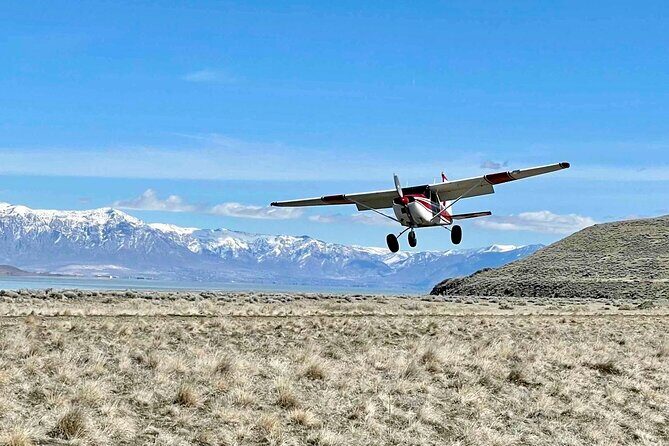
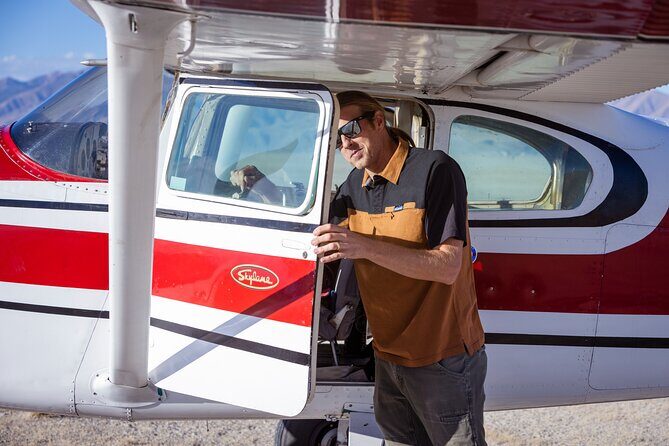
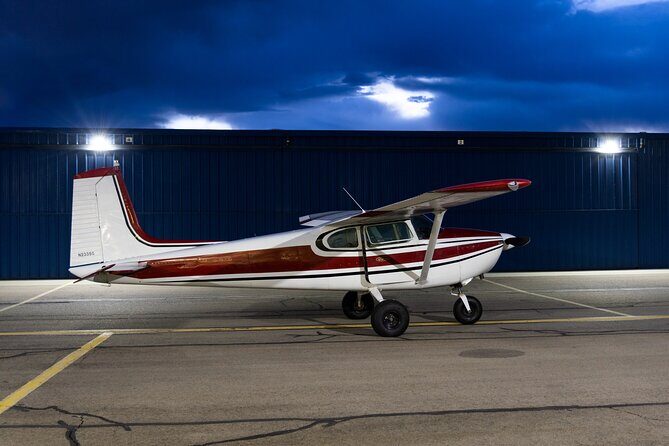
You’ll fly in a small plane, and in recent trips a Cessna 170 has been mentioned. That kind of aircraft setup tends to make the windows more useful and the views feel closer—like you’re using the horizon as a map instead of just watching from a distance.
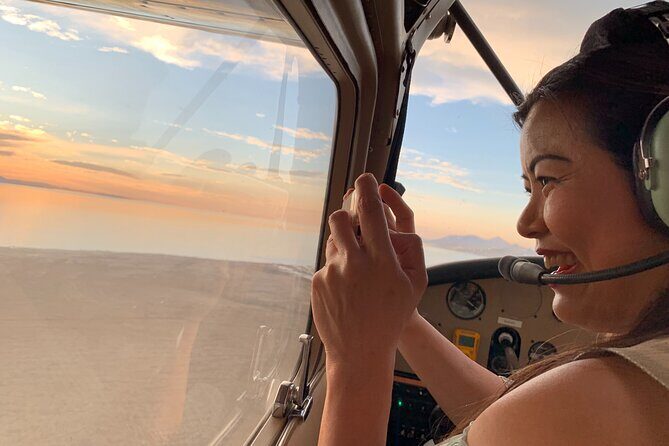
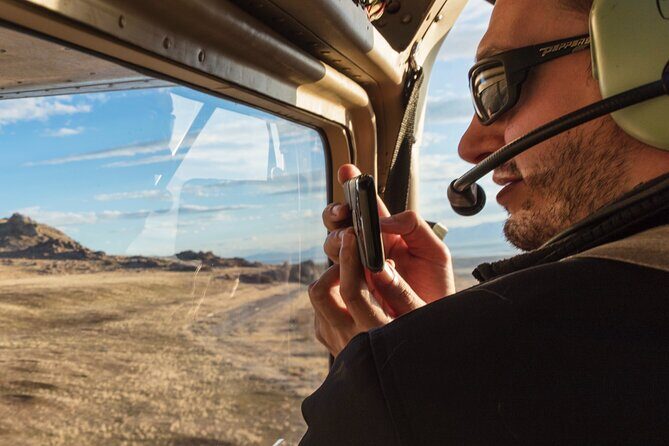
Also, you get provided aviation headsets. That’s a big deal. It turns the flight from silent staring into a guided conversation, so you’re not stuck with a one-way narration.
First big views: the Great Salt Lake by air
The Great Salt Lake is huge, but from roads and viewpoints it can still feel hard to judge. From the air, you get the scale right away. You’ll see the shoreline shapes and the way water, salt flats, and surrounding land form a patchwork that’s difficult to grasp on foot.
Aerial viewing is especially valuable because it saves you time. Instead of spending hours driving around looking for the perfect viewpoint, the flight takes you directly to the scenery in a way that feels efficient—and honestly, a little magical when you realize how quickly you’re above it all.
During the flight, Neil points out what you’re seeing in plain language. People also mention he shares information about the area’s formation and what makes the lake and island distinct, which helps you look longer and understand more.
Antelope Island: watching wildlife from above and low
Antelope Island is where the excitement often sharpens. When you approach the island, you’re no longer just looking at water—you’re scanning for animals on land, hills, and open areas.
Based on the flight route and what recent passengers have experienced, you may spot:
- Buffalo (bison)
- Antelope
- Deer
- Coyote
- Occasional eagles
You shouldn’t treat spotting as guaranteed. Wildlife is wild. But what you do get is a pilot who’s actively looking and using the air to give you chances you wouldn’t have by car.
One reason the island works so well from the air is altitude control. The flight can feel like an air safari: wide passes let you see where herds are positioned, while lower looks help you pick out animals against the shoreline or slopes. That combination makes the viewing feel more complete than a single viewpoint.
People also note that Neil explains what you’re seeing on Antelope Island, including the island’s formation and why the animals tend to show up where they do. That kind of commentary turns random spotting into actual understanding.
Neil’s pilot talk: from aviation basics to photo spots
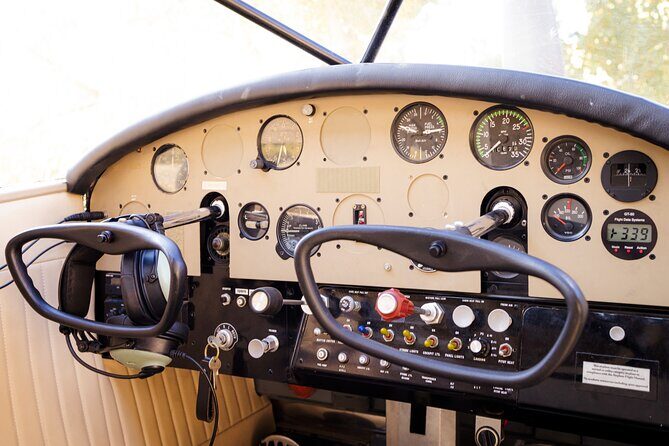
What separates this tour from a simple sightseeing ride is the way Neil communicates. Passengers repeatedly describe him as personable and clear—someone who checks in with you before the flight and keeps giving context during it.
You’ll likely get an explanation of the plane and what you’re doing in the sky. If it’s your first small-aircraft flight, that matters because comfort comes from knowing what’s normal. Several guests specifically call out how safe and well-handled the experience felt, even for first-timers.
Neil is also known for sharing practical photo suggestions. If you care about getting more than generic phone snapshots, ask him about best angles while you’re in the air. People have mentioned he recommends photo spots, which means you’re not guessing when the light or view is best.
One more fun element: some passengers mention he may let them take the controls for a short time. That’s not something you should count on every flight, but it’s part of the experience’s feel—hands-on when appropriate, with safety kept front and center.

What to bring: comfort, headsets, and dressing smart
The company provides aviation headsets, so you don’t need to bring gear for audio. That said, you should still dress for the flight like you’re going to be outside for parts of it—especially if you’re riding in colder months.
For winter timing, there’s direct advice from recent passengers: dress warm. Small planes and open-air sensations can make cold air feel sharper than you expect, even when the sun is shining.
For comfort, aim for layers you can adjust quickly. The tour is about staying comfortable enough to look out the window for long stretches without getting distracted by cold.
Finally, come ready with questions. This flight is built for interaction, and Neil answers during the ride—not after. If you’re curious about how the lake forms, why wildlife appears where it does, or how the island fits into Utah geography, you’ll get more out of the flight by speaking up.
Photo and wildlife strategy: how to actually “see” more
From the air, your biggest challenge isn’t the view—it’s deciding what to look at. Here’s a simple approach that works with the way this tour is structured.
First, watch for changes in color and texture around the shoreline and flats. The Great Salt Lake can look uniform at first, but from above you start noticing patterns that reflect how water and salt behave.
Second, switch your attention from water to land when Antelope Island comes into view. Wildlife shows up in clusters, and you’ll often find animals against open terrain where they’re easier to spot.
Third, let Neil guide your scanning. He’s described as finding animals on the island and explaining what you’re looking at, which means you’re not relying only on luck or eyesight. If you miss something on a first pass, you might get a clearer look on a later moment.
And yes, if you’re the kind of person who loves photos, ask for the moment when it’s worth holding still. People mention Neil suggests photo spots, which helps you avoid the classic mistake of shooting everything and capturing nothing sharp.
Value versus driving: why this beats a long day
A big part of the appeal here is time. Driving around the Great Salt Lake region can eat up hours, and viewpoints can be hit-or-miss depending on where you stop and what the conditions are doing.
One passenger described driving around the lake before booking the flight, and still feeling like close-level views were tough to get from the road. Then they flew and suddenly had the “lake-level” feel from the air—plus clearer context for where everything sits relative to Antelope Island.
That’s the core value argument for this tour: you’re paying for speed plus access. A one-hour flight can give you what might take a full day of driving and searching. You also get the sky perspective that no road pull-off can replicate.
Price isn’t listed in the details you provided, but one guest mentioned the tour felt like strong value in the general “short private flight” range. Even without anchoring to a number, the value comes down to this: private pilot time, direct aerial access, and the chance to spot wildlife without spending the day in a car.
Who this tour is for (and who might not love it)
This is a great match if you want a rare combination:
- Wildlife spotting without hiking for hours
- Big scenery quickly, without planning a full road itinerary
- A first-time small-plane experience with a pilot who talks you through what’s happening
It also works well for couples and families who want a memorable activity that doesn’t require an all-day commitment. Solo travelers get a big advantage too: you can focus on the view and ask questions without negotiating group pace.
The one group that might not love it is anyone with a schedule that can’t flex for weather. Since the experience requires good conditions, build in a little cushion so you can reschedule if needed.
Should you book the Great Salt Lake flying tour?
I’d book it if you’re the kind of traveler who hates missing the “main thing” because you spent the day hunting parking spots. A private flight gives you scale fast, and Antelope Island wildlife turns that scale into a story you can actually feel.
If you want an experience with conversation—not just a seatbelt and silence—this one delivers. Headsets mean you’ll talk with Neil, not just watch out a window, and his local explanations make the views land.
And if you’re traveling in winter, commit to dressing warm. Do that, bring a curious mindset, and you’ll get more than a pretty ride. You’ll get a clear, personal aerial tour of one of Utah’s most distinctive landmarks.
FAQ
What’s the duration of the Great Salt Lake flying tour?
The flight is about 1 hour.
Where does the tour start?
You meet at Skypark Airport, 1887 S 1800 W, Woods Cross, UT 84087, USA. The tour ends back at the meeting point.
Is this a private tour?
Yes. It’s a private tour/activity, and only your group participates.
Do I get to talk with the pilot during the flight?
Yes. The tour provides aviation headsets so you can chat with the pilot throughout the experience.
What language is the tour offered in?
The tour is offered in English.
What wildlife might we see on the flight?
You may see buffalo, antelope, deer, coyote, and sometimes an eagle, especially when flying over Antelope Island.
What happens if the weather isn’t good?
The experience requires good weather. If it’s canceled due to poor weather, you’ll be offered a different date or a full refund.
Are service animals allowed?
Yes, service animals are allowed.
If you want, tell me when you’re going (month is enough) and whether you’re mainly chasing wildlife, photos, or a first-time flight. I can help you pick the smartest timing and expectations.