REVIEW · UTAH
Valley of the Gods Sunset Tour
Book on Viator →Operated by Wild Expeditions · Bookable on Viator
Golden hour hits different here.
The Valley of the Gods sunset tour is a fast, focused way to see Navajo sandstone formations—mesas, buttes, and spires—where wind and time have carved shapes that look almost human. I love how the drive turns into a moving viewpoint, and I especially like that the tour is guided through a respectful indigenous perspective led by Eli. You get a one-time moment at sunset, plus context for what you’re seeing rather than just photo stops.
Two other things I really like: the route’s big-ticket sights, from the spires in the Valley of the Gods to the spine-tingling Moki Dugway switchbacks, and the small size (up to 10 people) keeps it personal. One consideration: this is a short tour, so you’ll be moving between viewpoints and spending less time hiking than you might on a longer backroads day.
In This Review
- Quick hits before you go
- A 3-hour sunset ride that actually makes the rocks make sense
- Valley of the Gods at sunset: spires, buttes, and a guide who answers hard questions
- Moki Dugway gravel switchbacks: 1,100 feet of wow (and yes, it’s worth the caution)
- Cedar Mesa plateau: red rock views plus archaeological context
- What you get for $149: small group, comfort, and one expert guide
- How to pack and what to expect from a Utah sunset evening
- Who this tour fits best (and who might want something else)
- Should you book Wild Expeditions’ Valley of the Gods Sunset Tour?
Quick hits before you go
- Meet-up at Bluff: starting at 2625 US-191 in Bluff, with the tour ending right back there
- Sunset timing: you’re built around golden light over the Valley of the Gods
- Eli’s guiding style: enthusiastic and respectful, with cultural, historical, geological, and archaeological context
- Moki Dugway climb: a gravel switchback road that climbs about 1,100 feet over roughly 3 miles
- Panoramic payoff: views that can include Monument Valley, the Valley of the Gods, and the San Juan River
- Cedar Mesa stop: an elevated plateau known for dramatic red rock and archaeological presence
A 3-hour sunset ride that actually makes the rocks make sense
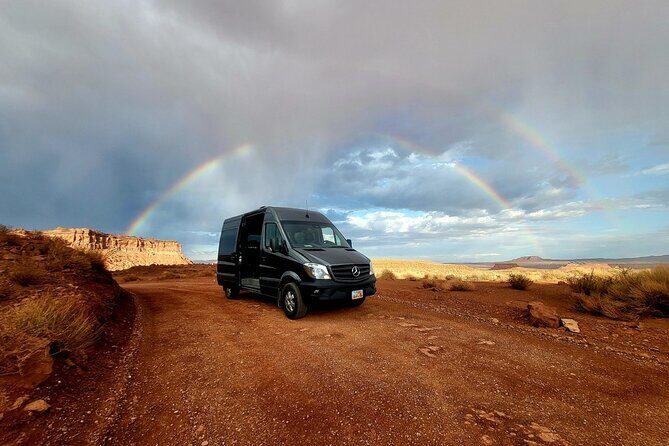
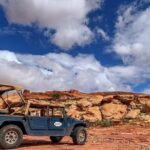
This tour keeps things simple: you’re in an air-conditioned vehicle with snacks and bottled water, you get dropped at the key viewpoints, and you learn what those formations mean in the bigger story of the region. The “only 3 hours” part matters because it makes the experience doable even if you’re on a road trip with limited time.
What makes it stand out is how quickly the guide ties geology to culture. Eli doesn’t just point at shapes; he talks through connections—how the land was used, how people lived here, and how to think about what you’re seeing today. If you like asking questions, you’ll appreciate the way Eli handles them with calm depth and real respect.
You’ll also like the pacing. It’s not a long sit-and-stare session where everyone gets restless. Instead, you get short stops that work with the light, then you move before the day slips away. The result: you leave with photos, but also with an understanding of why these particular spots feel so intense.
You can also read our reviews of more tours and experiences in Utah.

Valley of the Gods at sunset: spires, buttes, and a guide who answers hard questions
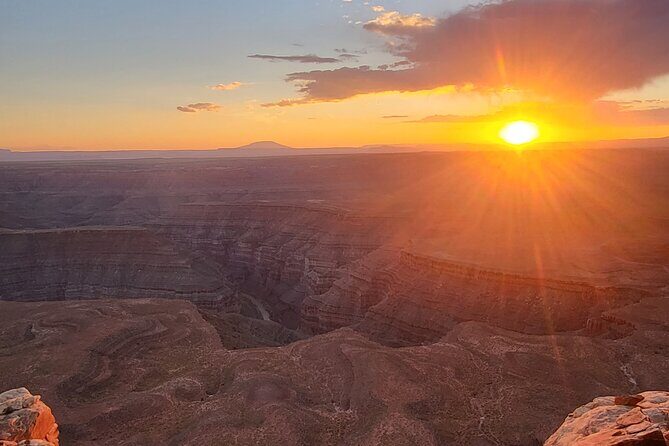
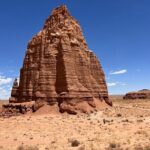
The heart of the experience is the Valley of the Gods at sunset. This area is all Navajo sandstone, sculpted into mesas, buttes, and spires by millions of years of erosion and wind. The shapes vary in size and silhouette, and that’s why artists and photographers come back again and again.
You’ll likely recognize a few of the famous formations by nickname—like The Sleeping Indian and The Elephant Butte. What’s worth your attention isn’t just the names, but the way the rock forms seem to shift as the sun drops. Shadows lengthen, textures pop, and the entire valley starts to look more dimensional.
Here’s the practical win: sunset light is forgiving for photos because it adds contrast and warmth. Even if you’re not a pro, you can usually nail a few keepers with a phone or a camera with basic settings—especially if you keep your lens clean and watch where the light hits the rock edges.
The other big value is Eli’s perspective. In the comments from past visitors, the standout theme is that Eli brings an indigenous lens along with cultural, historical, geological, and archaeological knowledge. That combination matters because it turns your stop from scenery into story. If you care about the “why” behind a place, you’ll feel like you got more than a drive-by view.
One consideration: because sunset can bring changes fast, bring patience for brief waiting moments. Light is the goal, and that sometimes means pausing a bit longer than you planned.
Moki Dugway gravel switchbacks: 1,100 feet of wow (and yes, it’s worth the caution)
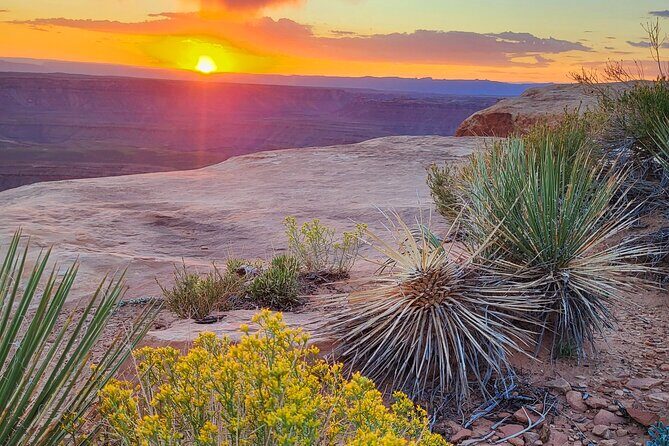
After the valley viewpoints, the tour heads to the Moki Dugway area. This is a dramatic stretch of road on State Route 261, climbing up Cedar Mesa cliffs. It’s a gravel switchback drive, and the numbers are real: about 1,100 feet up over roughly 3 miles.
What you’ll feel is the combination of steep grade and exposed views. Even while you’re sitting in a vehicle, you’ll see how the road threads along the edge of the plateau. The panoramas are the point, too: from here you can see Monument Valley, the Valley of the Gods, and the San Juan River in the wider desert setting.
If you get motion sick easily, this is the one part where you should mentally prepare. The route is short, but it’s a climb on switchbacks, and gravel adds extra vibration. The tour uses an air-conditioned vehicle, which helps comfort, but it doesn’t erase road feel.
Also, this is not the place for careless footwear. You’ll want comfortable shoes for stepping out at viewpoints. The tour direction is clear—bring comfortable shoes—but I’d treat that as an actual safety note, not just a suggestion. Simple thing, big difference.
Cedar Mesa plateau: red rock views plus archaeological context
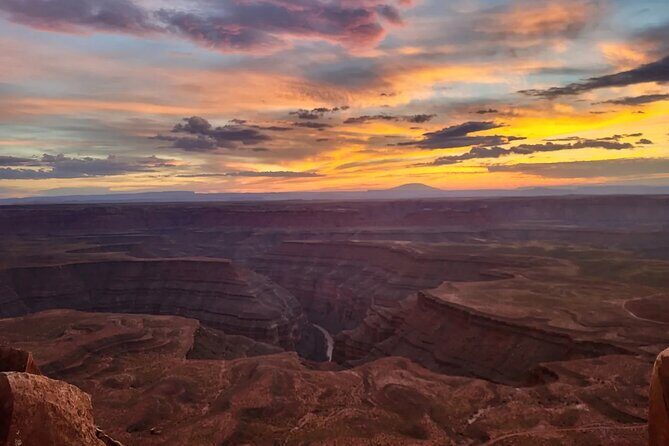
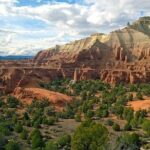
Cedar Mesa sits as an elevated plateau in southeastern Utah, part of the larger Colorado Plateau. It covers roughly 600 square miles and sits around 5,000 feet elevation. In plain terms: you’re on higher ground, looking out over canyon country, mesas, and wide red rock terrain.
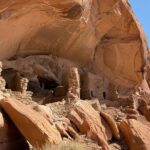
Cedar Mesa matters beyond scenery because of what’s here beneath the surface. The region is known for archaeological history, and the tour folds that context into what you see around you. Eli’s approach is what makes this work. Instead of dropping names of sites and rushing through, Eli ties the land’s physical story to how people moved through and used it.
One of the best parts of an experience like this is learning how to “read” a place. Even from a road and a few viewpoints, you can notice signs of human presence when you know what to watch for. If you enjoy that kind of guided noticing, Cedar Mesa will feel more meaningful than just another stop on a scenic drive.
You’ll also get a wider sense of how the region connects: how the higher plateau edges lead your eye toward deeper canyons and far-off landmarks. That broader view is what rounds out the sunset moment in the Valley of the Gods. Sunset gives you the emotion. Cedar Mesa gives you the context.
What you get for $149: small group, comfort, and one expert guide
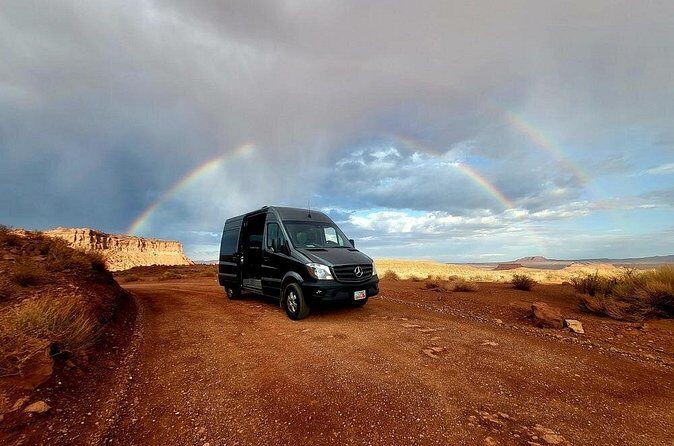
At $149 per person for about 3 hours, you’re paying for two things: transportation and a real-time education. The vehicle is air-conditioned, and you get snacks and bottled water, which is exactly what you want on a desert outing where you don’t want to scramble for supplies.
The other value is group size. With a maximum of 10 travelers, you’re not swallowed by a huge crowd at the stops. That matters when the guide is explaining details and answering questions. You’ll be able to hear, and you won’t have to line up and wait for a turn to ask something.
Booking timing can tell you something, too. This tour tends to be booked about 56 days in advance. That’s a sign that good windows fill up when people plan Utah trips. If you’re traveling during a popular season, it’s smart to lock it in earlier rather than gambling on last-minute availability.
And then there’s Eli. The reviews highlight him as an all-in-one guide: cultural, historical, geological, and archaeological knowledge, plus enthusiasm and respect. That’s rare. Many tours give you either “rocks” or “people.” Here you get both, which makes the whole 3 hours feel more complete.

How to pack and what to expect from a Utah sunset evening
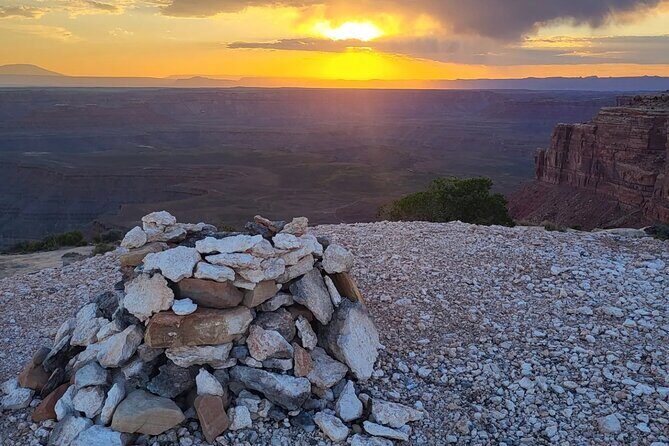
Your packing list is refreshingly practical: a lightweight jacket, comfortable shoes, a camera, and a reusable water bottle. I’d follow that closely. Even if the day is warm, sunset can cool down quickly at this elevation, and wind can sneak in while you’re waiting for light.
Also, consider your camera strategy. You don’t need fancy gear, but you do need habits:
- clean lens quickly before key stops
- take a test shot early, then adjust for warmth at sunset
- watch the horizon and the angle of shadows
The day itself is weather-dependent. Good weather is required, and if conditions aren’t right, you’ll be offered a different date or a full refund. That matters because Utah desert weather can change fast, and the experience is built around visibility.
One more expectation shift: this tour is short, so it’s not the time for a long equipment setup. Bring what you need, then focus on the moments the guide is timing with you.
Who this tour fits best (and who might want something else)
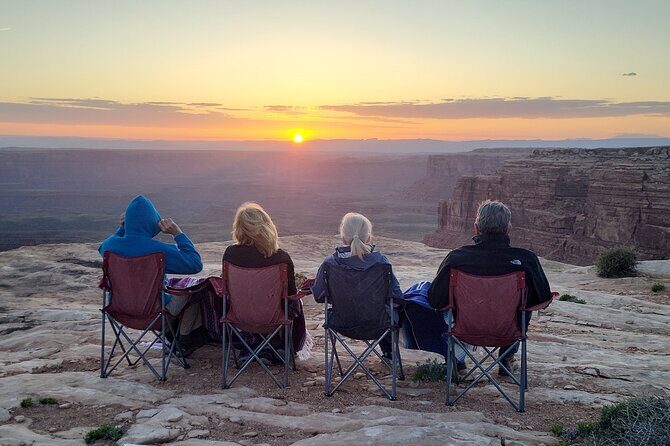
This tour is a strong match if you want the best of the region without committing to a full day of driving or hiking. You’ll enjoy it most if you:
- like learning as you travel, not just looking
- want a small-group experience with room for questions
- value respectful cultural interpretation alongside geology
It’s also a good choice for a girls trip or a couple’s road trip day when you want something scenic but organized. One specific detail from past experiences: Eli is known for making people feel safe and comfortable during the driving and stops, and he’s even handled small issues like getting a cactus out of someone’s leg. That’s the kind of hands-on care that makes the difference when you’re out in dry terrain.
If you’re the type who wants long hikes, endless wandering, and time to explore off the beaten track, you might feel like 3 hours is too short. In that case, look for a longer expedition option.
Should you book Wild Expeditions’ Valley of the Gods Sunset Tour?
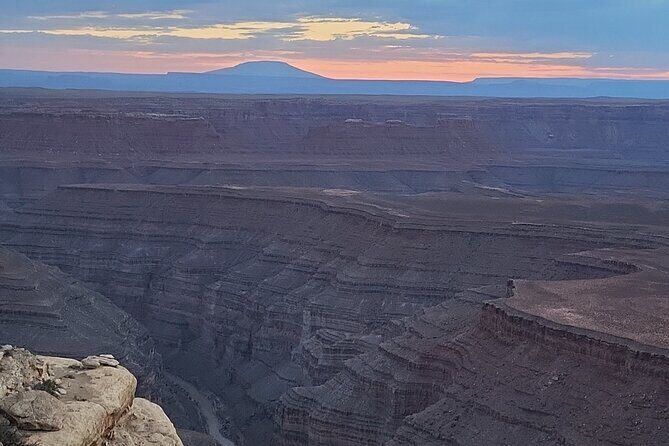
I think this is a smart booking if you care about value and meaning, not just a quick view. For $149, you get a comfortable ride with snacks and water, a tight route that hits the Valley of the Gods, Moki Dugway, and Cedar Mesa, and a guide like Eli who brings cultural and geological context together.
If you’re short on time in Utah but still want a sunset moment that feels informed, this tour is a strong yes. Just pack for cool evening air, wear sturdy shoes, and be ready to move between viewpoints as the light changes.